%20%20--%3E%0A%3Csvg%20version%3D%221.1%22%20id%3D%22Layer_1%22%20xmlns%3D%22http%3A%2F%2Fwww.w3.org%2F2000%2Fsvg%22%20xmlns%3Axlink%3D%22http%3A%2F%2Fwww.w3.org%2F1999%2Fxlink%22%20x%3D%220px%22%20y%3D%220px%22%0A%09%20viewBox%3D%220%200%20684.6%2068.1%22%20style%3D%22enable-background%3Anew%200%200%20684.6%2068.1%3B%22%20xml%3Aspace%3D%22preserve%22%3E%0A%3Cg%3E%0A%09%3Cpath%20d%3D%22M444.1%2C29.3h-17.4v14.5h17.4V29.3z%20M36.4%2C68.1l29.3-50.8V0H50.4L32.9%2C36.8L15.5%2C0H0v68.1h16.7V45.8l12.4%2C22.3H36.4z%0A%09%09%20M49.1%2C68.1h16.6V23.4L49.1%2C52.1V68.1z%20M76.6%2C68.1h45V53.8H93.3V41.6h21V27.1h-21V14.8h28.3V0.1h-45V68.1z%20M175.6%2C68.1h17.3v-68%0A%09%09h-16.5v40.3L150%2C0.1h-17.6v68h16.7V27.7L175.6%2C68.1z%20M235.8%2C14.8h15.4V0.1h-47.4v14.7H219v53.2h16.8V14.8z%20M290.3%2C45.9h-17.1%0A%09%09l7.5-15.6h2L290.3%2C45.9z%20M298.7%2C68.1h18l-32.2-68h-5.7l-32%2C68h18l3.3-7.1h27.1L298.7%2C68.1z%20M325.2%2C68.1h46.2V53.8h-29.6V0.1h-16.7%0A%09%09V68.1z%20M423.7%2C14.8h27.2V0.1H407v68h16.7V14.8z%20M462%2C68.1h46.2V53.8h-29.6V0.1H462V68.1z%20M564.8%2C34.1c0%2C10.7-7.2%2C19.2-18.5%2C19.2%0A%09%09c-11.4%2C0-18.5-8.5-18.5-19.2s7.1-19.2%2C18.5-19.2C557.6%2C14.9%2C564.8%2C23.4%2C564.8%2C34.1%20M580.6%2C34.1c0-19-14.2-34-34.3-34%0A%09%09c-20.2%2C0-34.3%2C15-34.3%2C34c0%2C19%2C14.1%2C34%2C34.3%2C34C566.4%2C68.1%2C580.6%2C53.1%2C580.6%2C34.1%20M604.8%2C20.5c0-4.1%2C3.3-6.2%2C6.7-6.2%0A%09%09c4.4%2C0%2C6.6%2C3%2C6.6%2C6.6h14.7C631.8%2C9.1%2C625.1%2C0.1%2C611%2C0.1c-12%2C0-21.7%2C9.3-21.7%2C20.6c0%2C10.9%2C5.9%2C15.9%2C16.7%2C19.8%0A%09%09c5.2%2C1.8%2C11.5%2C3.2%2C11.5%2C8c0%2C3.3-2.4%2C5.5-6.4%2C5.5c-3.6%2C0-6.6-3-6.6-6.7h-15.2c0%2C11.5%2C7.9%2C20.8%2C21.8%2C20.8c12%2C0%2C21.6-9.3%2C21.6-20.6%0A%09%09c0-10-5.3-16.4-16.7-19.8C610.6%2C26.1%2C604.8%2C25.3%2C604.8%2C20.5%20M670%2C20.9h14.7C683.8%2C9.1%2C677.1%2C0.1%2C663%2C0.1c-12%2C0-21.7%2C9.3-21.7%2C20.6%0A%09%09c0%2C10.9%2C5.9%2C15.9%2C16.7%2C19.8c5.2%2C1.8%2C11.5%2C3.2%2C11.5%2C8c0%2C3.3-2.4%2C5.5-6.4%2C5.5c-3.6%2C0-6.6-3-6.6-6.7h-15.2c0%2C11.5%2C7.9%2C20.8%2C21.8%2C20.8%0A%09%09c12%2C0%2C21.6-9.3%2C21.6-20.6c0-10-5.3-16.4-16.7-19.8c-5.4-1.6-11.3-2.4-11.3-7.2c0-4.1%2C3.3-6.2%2C6.7-6.2C667.7%2C14.4%2C670%2C17.3%2C670%2C20.9%0A%09%09%22%2F%3E%0A%3C%2Fg%3E%0A%3C%2Fsvg%3E%0A)

America’s national parks offer access to a huge variety of stunning natural wonders. From desert vistas to richly colorful geothermal hot springs and sparse mountain ranges, there’s so much to see across the United States’ collection of majestic protected landscapes.
However, some parks are more accessible to first-time visitors than others, offering well-trodden trails and simple navigation compared to other parks that sometimes require more experience with nature’s tempestuousness. Of course, while every national park has something to offer, these national parks are a blend of history, nature, and unique attractions that are pretty much guaranteed to awe first-time visitors, and should be on everyone’s bucket list.
What First-Time Visitors Should Know About Visiting U.S. National Parks

Before making your decision about which park to visit, it's a good idea to check the weather and to plan your travels around the time of year you’ll be visiting, as some parks that are easy to explore in the summer might present extreme challenges and dangers in the winter.
Parks are also vulnerable to climate change and tend to be more accessible during different times, so it’s always worthwhile to check your park of choice's website regularly and stay up to date. Some parks also require reservations in advance.
Other important things to consider are how you plan to travel and where you plan to stay. While most of these parks offer some form of public transportation, it can be easier to navigate large parks such as Yellowstone and the Great Smoky Mountains via car. It’s also important to do some research regarding food and lodging, particularly because some lodging options fill up months in advance.
Also, make sure you’re following park rules surrounding everything from fire safety to feeding animals. (Spoiler alert: Never feed the animals!) In general, all national parks follow the same core rule: Whatever you bring into the park should also come out along with you.
Ultimately, though, each of these parks is designed to make sure you have an unforgettable trip no matter what, and each has welcomed countless first-time, inexperienced, and unprepared visitors into its wild arms.
- What First-Time Visitors Should Know About Visiting U.S. National Parks
- Yellowstone National Park
- Great Smoky Mountains
- Yosemite National Park
- Rocky Mountain National Park
- Grand Canyon National Park
Yellowstone National Park

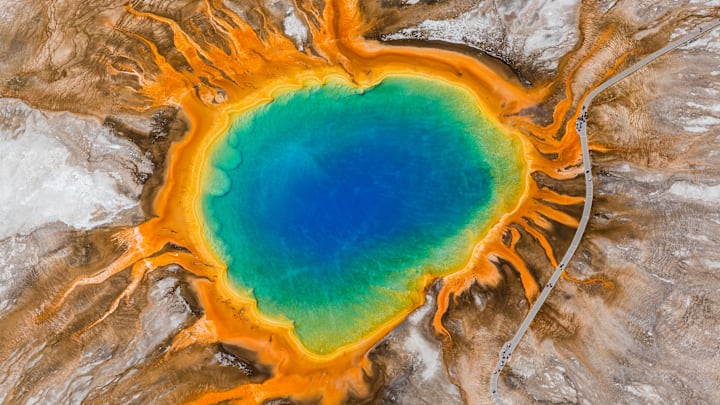
Yellowstone is a crown jewel of the American landscape for a reason. Nestled on the northern borders of Montana and Wyoming, this park is most famous for its wildly colorful collection of geothermal springs that glitter dreamily in the sunlight. Some of these springs bubble up and explode into striking geysers, and the most famous of these is Old Faithful—which is known for erupting quite reliably and predictably, so first-time visitors won’t find themselves disappointed.
The park is also the largest megafauna location in America, and offers access to views of plenty of wildlife. Yellowstone’s views of majestic waterfalls, mountains, and forests are breathtaking, and rewilding efforts involving the revival of the wolf and bison populations have only made the landscape more vibrant and alive in recent decades. While sightings aren’t guaranteed, visitors can see wolves up close at the nearby Grizzly & Wolf Discovery Center.
This popular park is also full of visitor centers and helpful rangers that make things simple for first-time tourists. Established in 1872, Yellowstone is also commonly recognized as the first national park established in the world, and it remains a favorite for visitors of all kinds.
Great Smoky Mountains

Tennessee and North Carolina’s Great Smoky Mountains National Park is America’s most-visited national park, attracting over 12 million visitors per year. It is a wilderness-lover’s paradise, and offers experiences for adventurers of all levels, from hiking and camping to history and abundant arrays of flora and fauna.
The park is located in the Great Smoky Mountains, a subrange of the ancient Appalachian Mountains that received their name because of the dense fog that forms among the hills in the early morning. Today, the national park allows visitors to take scenic drives, to visit over 100 stunning major waterfalls, and to drink in majestic sights such as the annual flock of synchronous fireflies that light up the woods during their mating season each summer.
Yosemite National Park

California’s Yosemite National Park is a gloriously wild yet accessible natural wonderland located in the Sierra Nevada Mountains. Known for its giant sequoia trees, cascading waterfalls, and collection of majestic cliffs, this park offers one unforgettable view after another and has inspired countless visitors to connect with the magic and beauty of the Earth.
Among its crown jewels are El Capitan, one of the tallest granite monoliths in the world, and Yosemite Falls, North America’s tallest waterfall. The Glacier Point and Half Dome viewpoints also offer truly majestic views of Yosemite Valley, and the park’s beauty has inspired everyone from the photographer Ansel Adams to Teddy Roosevelt, who was inspired to create the National Park and National Forest systems after visiting the park and, said he was motivated to protect the sequoias because “they are the only things of their kind in the world.”
The park also offers plenty of walking and hiking trails that cater to a large range of abilities all year round, and has plenty of amenities and attractions, from the frontier-era Yosemite History Center at Wawona to horseback rides and conservation programs. It is also beautiful and less crowded in the winter, when visitors can ice skate, snowshoe, and drink in sparkling, snowy views.
Rocky Mountain National Park

Colorado’s Rocky Mountain National Park offers access to 355 miles of hiking trails, 147 lakes, and 77 mountains that soar above 12,000 feet. Just a two-hour drive from Denver, this park is an accessible yet wild oasis where visitors can observe herds of elk, bighorn sheep, and countless birds while exploring the park’s huge variety of hiking trails.
From fishing to horseback riding to unparalleled stargazing, this park is a nature-lover’s delight. Here you’ll find alpine lakes, wildflower-heavy meadows, and so much more. Open year-round, this natural oasis offers everything from plentiful winter sports to camping under the stars and peaceful lakeside adventures in the summertime.
Grand Canyon National Park

There’s definitely nothing in the world quite like the Grand Canyon National Park. You’ve probably seen photos of the huge and dramatic gash in the earth that forms this park’s main attraction, but staring into it in person is another experience entirely.
This park has an excellent shuttle system that makes it easy to move around and see the canyon from many different angles, and it offers access to many different museums, lodging options, and hiking trails.
The park’s South Rim is its most popular and easily accessible area, and though the North Rim on the other side of the canyon is about 1,000 feet higher, this area is closed from October to May. It’s a good idea to start your day at sunrise if you visit this park, and to make your way down the Trail of Time, a piece of the Rim Trail studded with signs that explain various aspects of the area’s geological history. There, you can drink in the sights of billion-year-old rocks while watching the sun paint the striped canyon walls gold and orange.