%20%20--%3E%0A%3Csvg%20version%3D%221.1%22%20id%3D%22Layer_1%22%20xmlns%3D%22http%3A%2F%2Fwww.w3.org%2F2000%2Fsvg%22%20xmlns%3Axlink%3D%22http%3A%2F%2Fwww.w3.org%2F1999%2Fxlink%22%20x%3D%220px%22%20y%3D%220px%22%0A%09%20viewBox%3D%220%200%20684.6%2068.1%22%20style%3D%22enable-background%3Anew%200%200%20684.6%2068.1%3B%22%20xml%3Aspace%3D%22preserve%22%3E%0A%3Cg%3E%0A%09%3Cpath%20d%3D%22M444.1%2C29.3h-17.4v14.5h17.4V29.3z%20M36.4%2C68.1l29.3-50.8V0H50.4L32.9%2C36.8L15.5%2C0H0v68.1h16.7V45.8l12.4%2C22.3H36.4z%0A%09%09%20M49.1%2C68.1h16.6V23.4L49.1%2C52.1V68.1z%20M76.6%2C68.1h45V53.8H93.3V41.6h21V27.1h-21V14.8h28.3V0.1h-45V68.1z%20M175.6%2C68.1h17.3v-68%0A%09%09h-16.5v40.3L150%2C0.1h-17.6v68h16.7V27.7L175.6%2C68.1z%20M235.8%2C14.8h15.4V0.1h-47.4v14.7H219v53.2h16.8V14.8z%20M290.3%2C45.9h-17.1%0A%09%09l7.5-15.6h2L290.3%2C45.9z%20M298.7%2C68.1h18l-32.2-68h-5.7l-32%2C68h18l3.3-7.1h27.1L298.7%2C68.1z%20M325.2%2C68.1h46.2V53.8h-29.6V0.1h-16.7%0A%09%09V68.1z%20M423.7%2C14.8h27.2V0.1H407v68h16.7V14.8z%20M462%2C68.1h46.2V53.8h-29.6V0.1H462V68.1z%20M564.8%2C34.1c0%2C10.7-7.2%2C19.2-18.5%2C19.2%0A%09%09c-11.4%2C0-18.5-8.5-18.5-19.2s7.1-19.2%2C18.5-19.2C557.6%2C14.9%2C564.8%2C23.4%2C564.8%2C34.1%20M580.6%2C34.1c0-19-14.2-34-34.3-34%0A%09%09c-20.2%2C0-34.3%2C15-34.3%2C34c0%2C19%2C14.1%2C34%2C34.3%2C34C566.4%2C68.1%2C580.6%2C53.1%2C580.6%2C34.1%20M604.8%2C20.5c0-4.1%2C3.3-6.2%2C6.7-6.2%0A%09%09c4.4%2C0%2C6.6%2C3%2C6.6%2C6.6h14.7C631.8%2C9.1%2C625.1%2C0.1%2C611%2C0.1c-12%2C0-21.7%2C9.3-21.7%2C20.6c0%2C10.9%2C5.9%2C15.9%2C16.7%2C19.8%0A%09%09c5.2%2C1.8%2C11.5%2C3.2%2C11.5%2C8c0%2C3.3-2.4%2C5.5-6.4%2C5.5c-3.6%2C0-6.6-3-6.6-6.7h-15.2c0%2C11.5%2C7.9%2C20.8%2C21.8%2C20.8c12%2C0%2C21.6-9.3%2C21.6-20.6%0A%09%09c0-10-5.3-16.4-16.7-19.8C610.6%2C26.1%2C604.8%2C25.3%2C604.8%2C20.5%20M670%2C20.9h14.7C683.8%2C9.1%2C677.1%2C0.1%2C663%2C0.1c-12%2C0-21.7%2C9.3-21.7%2C20.6%0A%09%09c0%2C10.9%2C5.9%2C15.9%2C16.7%2C19.8c5.2%2C1.8%2C11.5%2C3.2%2C11.5%2C8c0%2C3.3-2.4%2C5.5-6.4%2C5.5c-3.6%2C0-6.6-3-6.6-6.7h-15.2c0%2C11.5%2C7.9%2C20.8%2C21.8%2C20.8%0A%09%09c12%2C0%2C21.6-9.3%2C21.6-20.6c0-10-5.3-16.4-16.7-19.8c-5.4-1.6-11.3-2.4-11.3-7.2c0-4.1%2C3.3-6.2%2C6.7-6.2C667.7%2C14.4%2C670%2C17.3%2C670%2C20.9%0A%09%09%22%2F%3E%0A%3C%2Fg%3E%0A%3C%2Fsvg%3E%0A)

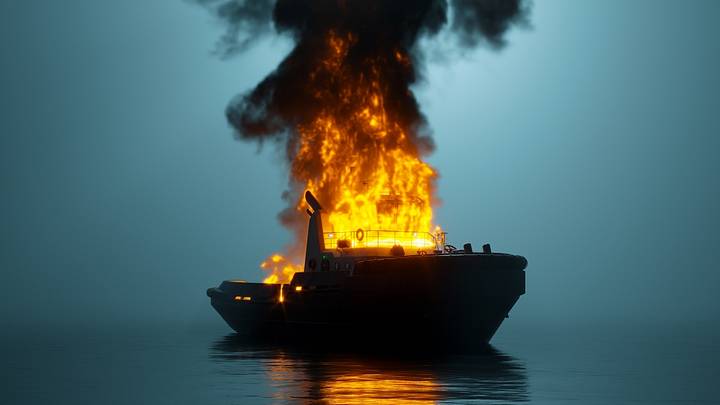
Sometimes, success requires completely committing to getting results and abandoning any option of failure—at least according to the popular idiom “burn the boats.” This phrase, or one of the many variants of it, is connected to a unique approach to battle used by the Spanish conquistador Hernán Cortés.
In 1519, Cortés is said to have ordered his mutinous crew to burn all their ships during the Spanish conquest of the Aztec Empire in 1519. He supposedly did this so they would literally have no choice but to move forward and successfully conquer the land in front of them. Except that’s not quite what happened.
What Hernan Cortés Actually Did—It Wasn’t Burning the Boats

According to PBS, Cortés didn’t actually order his men to burn his ships. He did, however, order them to sink all but one of them, probably so his men would be forced to stay loyal to him and follow him into battle.
Many historians believe that burning the ships wasn’t a completely impulsive and sudden move, either; they say that he likely ordered his men to take most materials, food, and metals from the ships before they sank.
Cortes was actually already in a bit of a bind himself when this happened, as if he did not successfully conquer Mexico, he faced imprisonment or death in Cuba due to the fact that his efforts were in direct defiance of the governor’s orders.
His desperate strategy succeeded, and he went on to wage a bloody and ruthless campaign that ultimately overthrew the Aztec empire and won Mexico for Spain.
Admittedly, “sink all but one of the boats after taking all the valuable and important items off of them” doesn’t have quite the same ring to it, and maybe that’s why a more accurate portrayal of events never caught on.
The idea of “burning the boats” is also sometimes falsely attributed to Julius Caesar and Alexander the Great, though historians say that neither of these leaders ever used the “burning the ships” strategy. Both, however, were quite fond of burning their enemies’ ships.
What “Burning the Boats” Means

Today, “burning the boats” has become a popular piece of business and motivational advice that encourages people to wholly commit to their goals by getting rid of anything that could possibly be in their way.
This usually means getting rid of safety nets and taking radical action steps towards a goal. That might look like quitting an old job and fully committing to starting one’s own business, or shutting down doubtful thoughts and removing distractions.
According to those who advocate for this kind of approach, "burning the boats" can result in failure and challenges, but what's most important is making the effort over and over and staying the course because you've committed so strongly that failure simply isn't even on the table.
On the other hand, some people have cautioned against a "burn the boats" approach, noting that careful planning and testing can help you slowly but steadily move towards your dreams.