%20%20--%3E%0A%3Csvg%20version%3D%221.1%22%20id%3D%22Layer_1%22%20xmlns%3D%22http%3A%2F%2Fwww.w3.org%2F2000%2Fsvg%22%20xmlns%3Axlink%3D%22http%3A%2F%2Fwww.w3.org%2F1999%2Fxlink%22%20x%3D%220px%22%20y%3D%220px%22%0A%09%20viewBox%3D%220%200%20684.6%2068.1%22%20style%3D%22enable-background%3Anew%200%200%20684.6%2068.1%3B%22%20xml%3Aspace%3D%22preserve%22%3E%0A%3Cg%3E%0A%09%3Cpath%20d%3D%22M444.1%2C29.3h-17.4v14.5h17.4V29.3z%20M36.4%2C68.1l29.3-50.8V0H50.4L32.9%2C36.8L15.5%2C0H0v68.1h16.7V45.8l12.4%2C22.3H36.4z%0A%09%09%20M49.1%2C68.1h16.6V23.4L49.1%2C52.1V68.1z%20M76.6%2C68.1h45V53.8H93.3V41.6h21V27.1h-21V14.8h28.3V0.1h-45V68.1z%20M175.6%2C68.1h17.3v-68%0A%09%09h-16.5v40.3L150%2C0.1h-17.6v68h16.7V27.7L175.6%2C68.1z%20M235.8%2C14.8h15.4V0.1h-47.4v14.7H219v53.2h16.8V14.8z%20M290.3%2C45.9h-17.1%0A%09%09l7.5-15.6h2L290.3%2C45.9z%20M298.7%2C68.1h18l-32.2-68h-5.7l-32%2C68h18l3.3-7.1h27.1L298.7%2C68.1z%20M325.2%2C68.1h46.2V53.8h-29.6V0.1h-16.7%0A%09%09V68.1z%20M423.7%2C14.8h27.2V0.1H407v68h16.7V14.8z%20M462%2C68.1h46.2V53.8h-29.6V0.1H462V68.1z%20M564.8%2C34.1c0%2C10.7-7.2%2C19.2-18.5%2C19.2%0A%09%09c-11.4%2C0-18.5-8.5-18.5-19.2s7.1-19.2%2C18.5-19.2C557.6%2C14.9%2C564.8%2C23.4%2C564.8%2C34.1%20M580.6%2C34.1c0-19-14.2-34-34.3-34%0A%09%09c-20.2%2C0-34.3%2C15-34.3%2C34c0%2C19%2C14.1%2C34%2C34.3%2C34C566.4%2C68.1%2C580.6%2C53.1%2C580.6%2C34.1%20M604.8%2C20.5c0-4.1%2C3.3-6.2%2C6.7-6.2%0A%09%09c4.4%2C0%2C6.6%2C3%2C6.6%2C6.6h14.7C631.8%2C9.1%2C625.1%2C0.1%2C611%2C0.1c-12%2C0-21.7%2C9.3-21.7%2C20.6c0%2C10.9%2C5.9%2C15.9%2C16.7%2C19.8%0A%09%09c5.2%2C1.8%2C11.5%2C3.2%2C11.5%2C8c0%2C3.3-2.4%2C5.5-6.4%2C5.5c-3.6%2C0-6.6-3-6.6-6.7h-15.2c0%2C11.5%2C7.9%2C20.8%2C21.8%2C20.8c12%2C0%2C21.6-9.3%2C21.6-20.6%0A%09%09c0-10-5.3-16.4-16.7-19.8C610.6%2C26.1%2C604.8%2C25.3%2C604.8%2C20.5%20M670%2C20.9h14.7C683.8%2C9.1%2C677.1%2C0.1%2C663%2C0.1c-12%2C0-21.7%2C9.3-21.7%2C20.6%0A%09%09c0%2C10.9%2C5.9%2C15.9%2C16.7%2C19.8c5.2%2C1.8%2C11.5%2C3.2%2C11.5%2C8c0%2C3.3-2.4%2C5.5-6.4%2C5.5c-3.6%2C0-6.6-3-6.6-6.7h-15.2c0%2C11.5%2C7.9%2C20.8%2C21.8%2C20.8%0A%09%09c12%2C0%2C21.6-9.3%2C21.6-20.6c0-10-5.3-16.4-16.7-19.8c-5.4-1.6-11.3-2.4-11.3-7.2c0-4.1%2C3.3-6.2%2C6.7-6.2C667.7%2C14.4%2C670%2C17.3%2C670%2C20.9%0A%09%09%22%2F%3E%0A%3C%2Fg%3E%0A%3C%2Fsvg%3E%0A)

Back in a time when people lived in genuine fear of malevolent witchcraft, those given responsibility for finding and prosecuting supposed witches concocted all manner of bizarre methods and tests for ascertaining whether or not someone was truly guilty.
Accused witches might be physically examined for revealing bodily signs, like oddly shaped birthmarks, moles, or extra nipples. A “touch test” involved the witch being forced to touch their supposed victim, as doing so was believed to stop the witch’s enchantment and reveal their guilt. And if a witch was suspected to have cast her spell on livestock, a bucket of milk from the affected livestock would be heated over a fire and struck, with the strikes on the side of the bucket supposedly showing up as welts on the witch’s back.
Understandably, a great deal of these tests were not only flawed and misinformed, but led to scores of innocent people (chiefly women) being wrongly accused or found guilty of witchcraft, and ultimately executed. Some of the tests themselves, moreover, were all but guaranteed to be fatal: the “ordeal by water” involved throwing an accused person into freshwater, often with their thumbs tied to their toes, with those who floated being deemed a witch and taken away for trial or execution. Those who did not float were deemed innocent, yet seldom survived the ordeal anyway.
Of all the witch-finding methods on offer, however, perhaps one of the strangest (and certainly one of the grossest) involved the baking of a so-called “witch cake.”
THE SALEM WITCH TRIALS

This technique was memorably used during the infamous Salem Witch Trials of the early 1690s, in which more than 100 people in the village of Salem, in rural Massachusetts, were accused of witchcraft—among them, a total of 19 supposed witches who were eventually executed for their crimes. The Salem case grew out of the arrival of a Puritan preacher named Reverend Samuel Parris in the village in 1689, whose strict orthodox preaching soon divided the community. When his 9-year-old daughter Betty, 11-year-old niece Abigail, and their 12-year-old friend Ann Putnam later began experiencing fits and convulsions in the winter of 1692, the community ultimately looked inwardly for a solution, with supporters of Parris’ preaching soon pointing fingers at those who did not attend his church quite so regularly.
Today, many modern historians ascribe the girls’ increasingly bizarre behavior to anything from medical conditions, such as epilepsy or even asthma, to a kind of fungal poisoning, known as ergotism, whose symptoms are known to include choking, hallucinations, and an unexplained crawling feeling on the skin. More than 300 years ago in an isolated community, though, the local physician, William Griggs, laid the blame squarely on the supernatural.
THE WITCH CAKE

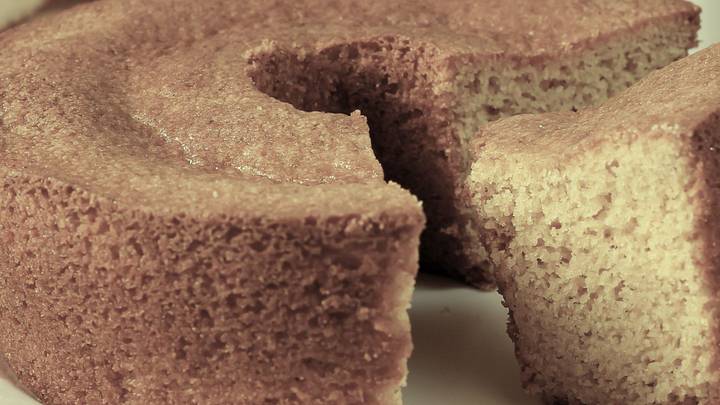
Ultimately, now believing that the girls’ symptoms were the work of witchcraft from within the village, one of their neighbors, a lady named Mary Sibley, recommended they figure out the culprit by making a “witch cake”—a concoction of flour, mixed into a batter with the girls’ urine, and baked.
As vile as the witch cake might sound, in 17th-century thinking, at least, the theory behind it was decidedly sound—although it appears to have varied considerably in different circumstances. In some cases of supposed witchcraft, for instance, the witch cake was seen as a kind of makeshift cure. The cake was seen as a kind of conduit for the witch’s powers, and so baking it and then burning it, burying it, or somehow destroying it, it was believed, was a supposed means of ridding the afflicted person of their power. In the Salem case, however, it seems the witch cake was used not as a means of ridding the girls of the witch’s magic, but of merely detecting the presence of black magic in the first place.
HOW IT WORKED

If the girls’ unexplainable bodily afflictions were indeed the work of witchcraft, then the witch’s magic would, it was believed, likewise affect the products of their body too. Making a cake of urine and then feeding it to a third party—in this instance, somewhat mercifully, the family dog—could therefore prove that witchcraft was to blame, if the dog too became ill. In the end, however, the Salem witch cake test proved inconclusive, as the Parris’ dog showed no ill effects having eaten the cake. When Reverend Parris found out that the girls had been indulging in such blasphemous and mystical ideas, however, he was horrified.
It was the baking of the cake, rather than the work of any specific individual, he believed, that was responsible for bringing witchcraft to the village, and he used his sermon that week to call out the “diabolical” blasphemy publicly. Before long, the village’s suspicions fell on the Parris family’s enslaved servant Tituba—who was promptly arrested and questioned on charges of witchcraft—along with two other local women, a beggar named Sarah Good, and a bedridden woman named Sarah Osborn.
THE FATE OF TITUBA

What followed was a year of panic and suspicion, during which time scores more names became implicated in the case, eventually leading to the deaths of almost twenty people.
Despite being the initial suspect, Tituba’s fate remains unclear; although held in custody for more than a year, her trial eventually collapsed, and it is unknown what happened to her after 1693. Sarah Osborn, meanwhile, died in jail awaiting her trial, while Good was eventually hanged in July 1692, perhaps not even 40 years old at the time. While the fates of many of those involved in the Salem trials are today rather well known, however, the role of the Parris girls witch cake in instigating the entire sorry affair has fallen by the historical wayside and remains a curious (if somewhat gross) footnote to the story.