%20%20--%3E%0A%3Csvg%20version%3D%221.1%22%20id%3D%22Layer_1%22%20xmlns%3D%22http%3A%2F%2Fwww.w3.org%2F2000%2Fsvg%22%20xmlns%3Axlink%3D%22http%3A%2F%2Fwww.w3.org%2F1999%2Fxlink%22%20x%3D%220px%22%20y%3D%220px%22%0A%09%20viewBox%3D%220%200%20684.6%2068.1%22%20style%3D%22enable-background%3Anew%200%200%20684.6%2068.1%3B%22%20xml%3Aspace%3D%22preserve%22%3E%0A%3Cg%3E%0A%09%3Cpath%20d%3D%22M444.1%2C29.3h-17.4v14.5h17.4V29.3z%20M36.4%2C68.1l29.3-50.8V0H50.4L32.9%2C36.8L15.5%2C0H0v68.1h16.7V45.8l12.4%2C22.3H36.4z%0A%09%09%20M49.1%2C68.1h16.6V23.4L49.1%2C52.1V68.1z%20M76.6%2C68.1h45V53.8H93.3V41.6h21V27.1h-21V14.8h28.3V0.1h-45V68.1z%20M175.6%2C68.1h17.3v-68%0A%09%09h-16.5v40.3L150%2C0.1h-17.6v68h16.7V27.7L175.6%2C68.1z%20M235.8%2C14.8h15.4V0.1h-47.4v14.7H219v53.2h16.8V14.8z%20M290.3%2C45.9h-17.1%0A%09%09l7.5-15.6h2L290.3%2C45.9z%20M298.7%2C68.1h18l-32.2-68h-5.7l-32%2C68h18l3.3-7.1h27.1L298.7%2C68.1z%20M325.2%2C68.1h46.2V53.8h-29.6V0.1h-16.7%0A%09%09V68.1z%20M423.7%2C14.8h27.2V0.1H407v68h16.7V14.8z%20M462%2C68.1h46.2V53.8h-29.6V0.1H462V68.1z%20M564.8%2C34.1c0%2C10.7-7.2%2C19.2-18.5%2C19.2%0A%09%09c-11.4%2C0-18.5-8.5-18.5-19.2s7.1-19.2%2C18.5-19.2C557.6%2C14.9%2C564.8%2C23.4%2C564.8%2C34.1%20M580.6%2C34.1c0-19-14.2-34-34.3-34%0A%09%09c-20.2%2C0-34.3%2C15-34.3%2C34c0%2C19%2C14.1%2C34%2C34.3%2C34C566.4%2C68.1%2C580.6%2C53.1%2C580.6%2C34.1%20M604.8%2C20.5c0-4.1%2C3.3-6.2%2C6.7-6.2%0A%09%09c4.4%2C0%2C6.6%2C3%2C6.6%2C6.6h14.7C631.8%2C9.1%2C625.1%2C0.1%2C611%2C0.1c-12%2C0-21.7%2C9.3-21.7%2C20.6c0%2C10.9%2C5.9%2C15.9%2C16.7%2C19.8%0A%09%09c5.2%2C1.8%2C11.5%2C3.2%2C11.5%2C8c0%2C3.3-2.4%2C5.5-6.4%2C5.5c-3.6%2C0-6.6-3-6.6-6.7h-15.2c0%2C11.5%2C7.9%2C20.8%2C21.8%2C20.8c12%2C0%2C21.6-9.3%2C21.6-20.6%0A%09%09c0-10-5.3-16.4-16.7-19.8C610.6%2C26.1%2C604.8%2C25.3%2C604.8%2C20.5%20M670%2C20.9h14.7C683.8%2C9.1%2C677.1%2C0.1%2C663%2C0.1c-12%2C0-21.7%2C9.3-21.7%2C20.6%0A%09%09c0%2C10.9%2C5.9%2C15.9%2C16.7%2C19.8c5.2%2C1.8%2C11.5%2C3.2%2C11.5%2C8c0%2C3.3-2.4%2C5.5-6.4%2C5.5c-3.6%2C0-6.6-3-6.6-6.7h-15.2c0%2C11.5%2C7.9%2C20.8%2C21.8%2C20.8%0A%09%09c12%2C0%2C21.6-9.3%2C21.6-20.6c0-10-5.3-16.4-16.7-19.8c-5.4-1.6-11.3-2.4-11.3-7.2c0-4.1%2C3.3-6.2%2C6.7-6.2C667.7%2C14.4%2C670%2C17.3%2C670%2C20.9%0A%09%09%22%2F%3E%0A%3C%2Fg%3E%0A%3C%2Fsvg%3E%0A)

Dearest gentle reader, if you waited months for Lady Whistledown's latest society papers to be distributed across the ton, you're in good company.
But just how true to history are all these printed rumors of romance and scandal? In reality, gossip did sweep through Regency London in the 1800s, though it wasn’t executed with the same style and stealth that Bridgerton viewers anticipate.
EXTRA! EXTRA! READ ALL ABOUT IT!

Ton socialites were captivated by the affairs of others long before digital news sites emerged. Although gossip columns originated in the late 1700s, they didn’t gain momentum until the 19th century, the era in which the fictional Bridgerton siblings provided more than enough content for Lady Whistledown’s reporting.
The Regency era masked salacious hearsay with satin gloves and punctual tea times, but underneath harbored a relentless desire for the latest news on their neighbors, particularly in high society. Gossip wasn't just chatter behind closed doors; it was a top commodity more sought after than the diamond of the season.
True "gossip columns," as we know them, reserved pages in print for discussing the private lives of prominent members of society. These columns only became more prevalent with the rise of mass printing. In earlier times, scandals were passed by word of mouth during hearthside conversations and hushed exchanges in drawing rooms. But once London's streets were littered with newspapers, pamphlets, and magazines, gossip found its home in print.
By the early 1800s, these publications were widespread and voraciously read. Ordinary Londoners could browse daily or monthly publications featuring what we now consider society reporting: stories of marital mishaps, fashion blunders, and all matters in between. For the creators of these columns, London’s elite were a source of endless fascination. Whether someone stumbled at a ball or wore a questionable amount of feathers to promenade, anything could become material for the columnists.
IF YOU KNOW, YOU KNOW

Unlike Whistledown's reckless habit of naming names, Regency gossip columnists were a bit more discreet. Due to strict libel laws (which relaxed as the century progressed), writers rarely printed actual names. Instead, they used initials and gave clever hints through illustrations. Sometimes, they even used fake names. It was a scandal threaded with hints that only the well-informed could unravel, yet the author could plead their innocence if confronted.
Keeping both the writer and the subjects anonymous made the whole affair even more entertaining. Readers delighted in matching gossip to real figures of society, not too far off from how we play detective with celebrity Instagram feeds today. It also meant the press could avoid legal troubles while serving the tea piping hot (metaphorically speaking, of course).
A TEMPLATE FOR MODERN NEWS

What made these papers so irresistible to Regency era society?
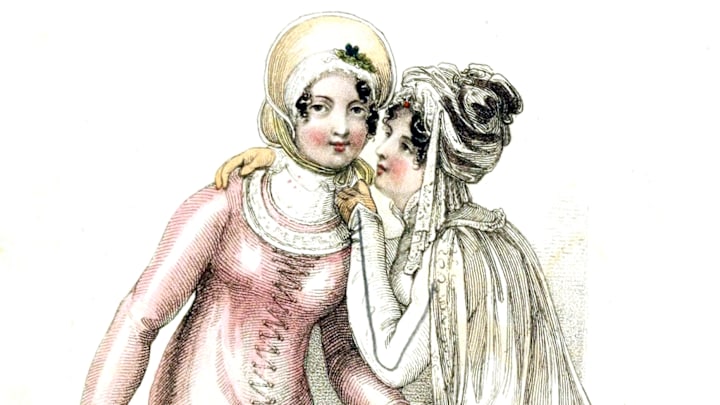
Curiosity did not act alone. When fortunes hinged on alliances, reputations, and marriages, gossip served a calculated purpose. Knowledge of who had shared one dance too many, or who was caught whispering to an unlikely confidant, could tip the scales in matchmaking and damage social status altogether. Just like Shonda Rhimes' Bridgerton, it only took a few words to change the course of a season; the course of a life.
While Lady Whistledown is a made-up mistress of secrecy, she emphasizes Regency society's appetite for speculation, establishing a template for gossip columns that would satisfy nosiness for centuries.