%20%20--%3E%0A%3Csvg%20version%3D%221.1%22%20id%3D%22Layer_1%22%20xmlns%3D%22http%3A%2F%2Fwww.w3.org%2F2000%2Fsvg%22%20xmlns%3Axlink%3D%22http%3A%2F%2Fwww.w3.org%2F1999%2Fxlink%22%20x%3D%220px%22%20y%3D%220px%22%0A%09%20viewBox%3D%220%200%20684.6%2068.1%22%20style%3D%22enable-background%3Anew%200%200%20684.6%2068.1%3B%22%20xml%3Aspace%3D%22preserve%22%3E%0A%3Cg%3E%0A%09%3Cpath%20d%3D%22M444.1%2C29.3h-17.4v14.5h17.4V29.3z%20M36.4%2C68.1l29.3-50.8V0H50.4L32.9%2C36.8L15.5%2C0H0v68.1h16.7V45.8l12.4%2C22.3H36.4z%0A%09%09%20M49.1%2C68.1h16.6V23.4L49.1%2C52.1V68.1z%20M76.6%2C68.1h45V53.8H93.3V41.6h21V27.1h-21V14.8h28.3V0.1h-45V68.1z%20M175.6%2C68.1h17.3v-68%0A%09%09h-16.5v40.3L150%2C0.1h-17.6v68h16.7V27.7L175.6%2C68.1z%20M235.8%2C14.8h15.4V0.1h-47.4v14.7H219v53.2h16.8V14.8z%20M290.3%2C45.9h-17.1%0A%09%09l7.5-15.6h2L290.3%2C45.9z%20M298.7%2C68.1h18l-32.2-68h-5.7l-32%2C68h18l3.3-7.1h27.1L298.7%2C68.1z%20M325.2%2C68.1h46.2V53.8h-29.6V0.1h-16.7%0A%09%09V68.1z%20M423.7%2C14.8h27.2V0.1H407v68h16.7V14.8z%20M462%2C68.1h46.2V53.8h-29.6V0.1H462V68.1z%20M564.8%2C34.1c0%2C10.7-7.2%2C19.2-18.5%2C19.2%0A%09%09c-11.4%2C0-18.5-8.5-18.5-19.2s7.1-19.2%2C18.5-19.2C557.6%2C14.9%2C564.8%2C23.4%2C564.8%2C34.1%20M580.6%2C34.1c0-19-14.2-34-34.3-34%0A%09%09c-20.2%2C0-34.3%2C15-34.3%2C34c0%2C19%2C14.1%2C34%2C34.3%2C34C566.4%2C68.1%2C580.6%2C53.1%2C580.6%2C34.1%20M604.8%2C20.5c0-4.1%2C3.3-6.2%2C6.7-6.2%0A%09%09c4.4%2C0%2C6.6%2C3%2C6.6%2C6.6h14.7C631.8%2C9.1%2C625.1%2C0.1%2C611%2C0.1c-12%2C0-21.7%2C9.3-21.7%2C20.6c0%2C10.9%2C5.9%2C15.9%2C16.7%2C19.8%0A%09%09c5.2%2C1.8%2C11.5%2C3.2%2C11.5%2C8c0%2C3.3-2.4%2C5.5-6.4%2C5.5c-3.6%2C0-6.6-3-6.6-6.7h-15.2c0%2C11.5%2C7.9%2C20.8%2C21.8%2C20.8c12%2C0%2C21.6-9.3%2C21.6-20.6%0A%09%09c0-10-5.3-16.4-16.7-19.8C610.6%2C26.1%2C604.8%2C25.3%2C604.8%2C20.5%20M670%2C20.9h14.7C683.8%2C9.1%2C677.1%2C0.1%2C663%2C0.1c-12%2C0-21.7%2C9.3-21.7%2C20.6%0A%09%09c0%2C10.9%2C5.9%2C15.9%2C16.7%2C19.8c5.2%2C1.8%2C11.5%2C3.2%2C11.5%2C8c0%2C3.3-2.4%2C5.5-6.4%2C5.5c-3.6%2C0-6.6-3-6.6-6.7h-15.2c0%2C11.5%2C7.9%2C20.8%2C21.8%2C20.8%0A%09%09c12%2C0%2C21.6-9.3%2C21.6-20.6c0-10-5.3-16.4-16.7-19.8c-5.4-1.6-11.3-2.4-11.3-7.2c0-4.1%2C3.3-6.2%2C6.7-6.2C667.7%2C14.4%2C670%2C17.3%2C670%2C20.9%0A%09%09%22%2F%3E%0A%3C%2Fg%3E%0A%3C%2Fsvg%3E%0A)

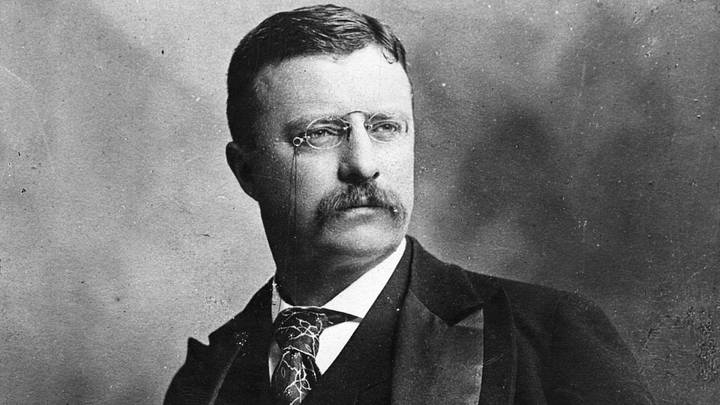
Back in 1884, Theodore Roosevelt kept a pocket diary, and the page for Thursday, February 14, holds a large X and a single line in his hand: “The light has gone out of my life.”

He was 25 years old. Two days earlier, his wife, Alice Hathaway Lee Roosevelt, had given birth to their daughter while he was at work in the New York State Assembly in Albany, and a telegram called him home. On the morning of the 14th, his mother, Martha “Mittie” Bulloch Roosevelt, died of typhoid fever. That afternoon, in the same house, Alice died of Bright’s disease, a kidney ailment. The two women shared a funeral at Fifth Avenue Presbyterian Church and were buried at Green-Wood Cemetery in Brooklyn.
Roosevelt chose the Dakota Badlands as sanctuary during this unimaginably difficult time.
He’d Already Been There

The Badlands were not a place Roosevelt picked off a map in his grief. In 1883, the year before the worst day of his life, he had stepped off a Northern Pacific train at the Little Missouri station “about three in the morning of a cool September day,” as he later wrote, to hunt bison, and before he went home he had bought into a cattle ranch, the Maltese Cross, also called the Chimney Butte. The contract was signed in St. Paul that September, five months before the deaths, and the tragedy turned his side investment into a place to disappear and grieve.
He didn’t disappear right away, either. Roosevelt finished out the legislative session and went to Chicago as a delegate to the Republican National Convention, and only then, in June 1884, did he take the train back to Dakota Territory. His older sister, Anna, known in the family as Bamie, took in the baby, also named Alice. Roosevelt started a second ranch, the Elkhorn, about 35 miles north of the town of Medora, brought in two men from Maine to build and run it, and told Bamie in a letter, “I shall put on a thousand more cattle and shall make it my regular business.”
A Part-Time Cowboy

For all the legend of the rancher who rode off his sorrow, Roosevelt never lived in the Badlands full-time. He went back east to campaign in the fall of 1884, came home again for Christmas, and kept up the back-and-forth for two years, and the National Park Service’s own history says he visited “frequently until 1886, less often thereafter.” In November 1886, he lost the race for mayor of New York City, and on December 2, he married Edith Kermit Carow in London. Bamie had raised his daughter until then.
The ranching itself went badly. The winter of 1886–87 wiped out cattle across the northern plains, and while nobody knows Roosevelt’s exact losses, Billings County tax records show he paid taxes on 60 percent fewer cattle in 1887 than he had the year before. He wrote to his sister that he was “bluer than indigo about the cattle,” adding, “I wish I was sure I would lose no more than half the money ($80,000) I invested out here.” He sold the last of his cattle interest in 1898, the year he went off with the Rough Riders. By one biographer’s estimate, he lost about $20,000 on the venture, or about $50,000 counting the interest the money could have earned.
The Wife He Never Wrote About

Roosevelt wrote a long autobiography in 1913, and its chapter on his ranching years starts in 1883. Alice Hathaway Lee is not mentioned anywhere in the book. The Badlands were a different story. On November 8, 1918, two months before he died, he thanked a professor for an article about his ranch life: “I have always said I never would have been President if it had not been for my experiences in North Dakota.”
Mental Floss has gone deeper into Alice Lee herself and how Roosevelt handled the loss.