%20%20--%3E%0A%3Csvg%20version%3D%221.1%22%20id%3D%22Layer_1%22%20xmlns%3D%22http%3A%2F%2Fwww.w3.org%2F2000%2Fsvg%22%20xmlns%3Axlink%3D%22http%3A%2F%2Fwww.w3.org%2F1999%2Fxlink%22%20x%3D%220px%22%20y%3D%220px%22%0A%09%20viewBox%3D%220%200%20684.6%2068.1%22%20style%3D%22enable-background%3Anew%200%200%20684.6%2068.1%3B%22%20xml%3Aspace%3D%22preserve%22%3E%0A%3Cg%3E%0A%09%3Cpath%20d%3D%22M444.1%2C29.3h-17.4v14.5h17.4V29.3z%20M36.4%2C68.1l29.3-50.8V0H50.4L32.9%2C36.8L15.5%2C0H0v68.1h16.7V45.8l12.4%2C22.3H36.4z%0A%09%09%20M49.1%2C68.1h16.6V23.4L49.1%2C52.1V68.1z%20M76.6%2C68.1h45V53.8H93.3V41.6h21V27.1h-21V14.8h28.3V0.1h-45V68.1z%20M175.6%2C68.1h17.3v-68%0A%09%09h-16.5v40.3L150%2C0.1h-17.6v68h16.7V27.7L175.6%2C68.1z%20M235.8%2C14.8h15.4V0.1h-47.4v14.7H219v53.2h16.8V14.8z%20M290.3%2C45.9h-17.1%0A%09%09l7.5-15.6h2L290.3%2C45.9z%20M298.7%2C68.1h18l-32.2-68h-5.7l-32%2C68h18l3.3-7.1h27.1L298.7%2C68.1z%20M325.2%2C68.1h46.2V53.8h-29.6V0.1h-16.7%0A%09%09V68.1z%20M423.7%2C14.8h27.2V0.1H407v68h16.7V14.8z%20M462%2C68.1h46.2V53.8h-29.6V0.1H462V68.1z%20M564.8%2C34.1c0%2C10.7-7.2%2C19.2-18.5%2C19.2%0A%09%09c-11.4%2C0-18.5-8.5-18.5-19.2s7.1-19.2%2C18.5-19.2C557.6%2C14.9%2C564.8%2C23.4%2C564.8%2C34.1%20M580.6%2C34.1c0-19-14.2-34-34.3-34%0A%09%09c-20.2%2C0-34.3%2C15-34.3%2C34c0%2C19%2C14.1%2C34%2C34.3%2C34C566.4%2C68.1%2C580.6%2C53.1%2C580.6%2C34.1%20M604.8%2C20.5c0-4.1%2C3.3-6.2%2C6.7-6.2%0A%09%09c4.4%2C0%2C6.6%2C3%2C6.6%2C6.6h14.7C631.8%2C9.1%2C625.1%2C0.1%2C611%2C0.1c-12%2C0-21.7%2C9.3-21.7%2C20.6c0%2C10.9%2C5.9%2C15.9%2C16.7%2C19.8%0A%09%09c5.2%2C1.8%2C11.5%2C3.2%2C11.5%2C8c0%2C3.3-2.4%2C5.5-6.4%2C5.5c-3.6%2C0-6.6-3-6.6-6.7h-15.2c0%2C11.5%2C7.9%2C20.8%2C21.8%2C20.8c12%2C0%2C21.6-9.3%2C21.6-20.6%0A%09%09c0-10-5.3-16.4-16.7-19.8C610.6%2C26.1%2C604.8%2C25.3%2C604.8%2C20.5%20M670%2C20.9h14.7C683.8%2C9.1%2C677.1%2C0.1%2C663%2C0.1c-12%2C0-21.7%2C9.3-21.7%2C20.6%0A%09%09c0%2C10.9%2C5.9%2C15.9%2C16.7%2C19.8c5.2%2C1.8%2C11.5%2C3.2%2C11.5%2C8c0%2C3.3-2.4%2C5.5-6.4%2C5.5c-3.6%2C0-6.6-3-6.6-6.7h-15.2c0%2C11.5%2C7.9%2C20.8%2C21.8%2C20.8%0A%09%09c12%2C0%2C21.6-9.3%2C21.6-20.6c0-10-5.3-16.4-16.7-19.8c-5.4-1.6-11.3-2.4-11.3-7.2c0-4.1%2C3.3-6.2%2C6.7-6.2C667.7%2C14.4%2C670%2C17.3%2C670%2C20.9%0A%09%09%22%2F%3E%0A%3C%2Fg%3E%0A%3C%2Fsvg%3E%0A)

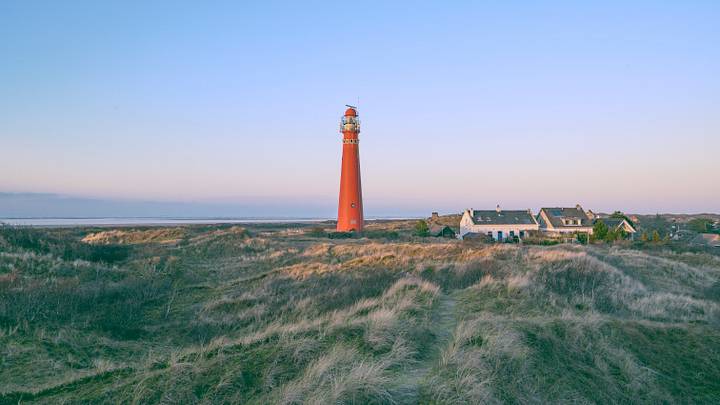
North of the Netherlands lies the Wadden Sea, a protected natural area where low tide exposes sandbanks that connect the Dutch mainland to five islands. The smallest of these islands – Schiermonnikoog – houses but a single village with fewer than 1,000 inhabitants.
But in a way, this small island has left a big mark on history: during the Second World War, it was the last place in Europe to be freed from Nazi occupation.
Nazi Arrival and Occupation

The Nazis first arrived on Schiermonnikoog on May 15, 1940. The Netherlands had just surrendered to Germany after four days of battle, and Adolf Hitler’s forces wasted no time setting up shop. Like every other island under Nazi control, Schiermonnikoog received an Inselkommandant or “island commander” who managed the territory on behalf of the Fuhrer.
Life on Schiermonnikoog changed drastically under Nazi rule. In most parts of the country, the number of Nazi occupiers was significantly lower than the number of local residents. On Schiermonnikoog, the two groups were almost equal, totaling around 800 and 700, respectively. Though the locals were confined to a small part of the island, the residents fared better than many of their fellow countrymen on the mainland: while elsewhere people were sent to Germany as forced laborers, the residents of Schiermonnikoog were put to work on the island itself.
Facing the Atlantic Ocean, Schiermonnikoog became a part of the Atlantic Wall: a series of coastal defenses and fortifications running from Norway to France to guard against English and American invasions. During the war, the Nazis erected several bunkers, radar installations, barracks, and anti-aircraft artillery on the islands of the Wadden Sea, most of which are still standing today. The structures on Schiermonnikoog were used for surveillance and communication.
Allied Advance and Retreat

In the beginning of 1944, after breaking through the Atlantic Wall in Normandy, a coalition of American, Canadian, and British forces began moving into the Netherlands by way of the southern province of Limburg. As they moved, Nazi forces continued to retreat further northward, until they reached the shores of the Wadden Sea. Some fled back into Germany, while others were captured by the Allies. Others still went across the sea to Schiermonnikoog, where the island commander housed them in a farm.
Although the Germans had no hope of winning the war – let alone retaking the Netherlands – the Nazi soldiers stationed on Schiermonnikoog refused to surrender. Even after Adolf Hitler committed suicide on April 30, 1945, they kept their guns aimed at the mainland. It wasn’t until the Canadians arrived on May 25 – almost a month later – that Schiermonnikoog, the last part of Europe still under occupation, was liberated and the war in Europe officially ended.
Schiermonnikoog Today

Today, Schiermonnikoog can be visited by ferry from the Dutch mainland or the neighboring island of Ameland. The island’s wartime history can be explored by bike, with a main route taking visitors past several bunkers and structures.