%20%20--%3E%0A%3Csvg%20version%3D%221.1%22%20id%3D%22Layer_1%22%20xmlns%3D%22http%3A%2F%2Fwww.w3.org%2F2000%2Fsvg%22%20xmlns%3Axlink%3D%22http%3A%2F%2Fwww.w3.org%2F1999%2Fxlink%22%20x%3D%220px%22%20y%3D%220px%22%0A%09%20viewBox%3D%220%200%20684.6%2068.1%22%20style%3D%22enable-background%3Anew%200%200%20684.6%2068.1%3B%22%20xml%3Aspace%3D%22preserve%22%3E%0A%3Cg%3E%0A%09%3Cpath%20d%3D%22M444.1%2C29.3h-17.4v14.5h17.4V29.3z%20M36.4%2C68.1l29.3-50.8V0H50.4L32.9%2C36.8L15.5%2C0H0v68.1h16.7V45.8l12.4%2C22.3H36.4z%0A%09%09%20M49.1%2C68.1h16.6V23.4L49.1%2C52.1V68.1z%20M76.6%2C68.1h45V53.8H93.3V41.6h21V27.1h-21V14.8h28.3V0.1h-45V68.1z%20M175.6%2C68.1h17.3v-68%0A%09%09h-16.5v40.3L150%2C0.1h-17.6v68h16.7V27.7L175.6%2C68.1z%20M235.8%2C14.8h15.4V0.1h-47.4v14.7H219v53.2h16.8V14.8z%20M290.3%2C45.9h-17.1%0A%09%09l7.5-15.6h2L290.3%2C45.9z%20M298.7%2C68.1h18l-32.2-68h-5.7l-32%2C68h18l3.3-7.1h27.1L298.7%2C68.1z%20M325.2%2C68.1h46.2V53.8h-29.6V0.1h-16.7%0A%09%09V68.1z%20M423.7%2C14.8h27.2V0.1H407v68h16.7V14.8z%20M462%2C68.1h46.2V53.8h-29.6V0.1H462V68.1z%20M564.8%2C34.1c0%2C10.7-7.2%2C19.2-18.5%2C19.2%0A%09%09c-11.4%2C0-18.5-8.5-18.5-19.2s7.1-19.2%2C18.5-19.2C557.6%2C14.9%2C564.8%2C23.4%2C564.8%2C34.1%20M580.6%2C34.1c0-19-14.2-34-34.3-34%0A%09%09c-20.2%2C0-34.3%2C15-34.3%2C34c0%2C19%2C14.1%2C34%2C34.3%2C34C566.4%2C68.1%2C580.6%2C53.1%2C580.6%2C34.1%20M604.8%2C20.5c0-4.1%2C3.3-6.2%2C6.7-6.2%0A%09%09c4.4%2C0%2C6.6%2C3%2C6.6%2C6.6h14.7C631.8%2C9.1%2C625.1%2C0.1%2C611%2C0.1c-12%2C0-21.7%2C9.3-21.7%2C20.6c0%2C10.9%2C5.9%2C15.9%2C16.7%2C19.8%0A%09%09c5.2%2C1.8%2C11.5%2C3.2%2C11.5%2C8c0%2C3.3-2.4%2C5.5-6.4%2C5.5c-3.6%2C0-6.6-3-6.6-6.7h-15.2c0%2C11.5%2C7.9%2C20.8%2C21.8%2C20.8c12%2C0%2C21.6-9.3%2C21.6-20.6%0A%09%09c0-10-5.3-16.4-16.7-19.8C610.6%2C26.1%2C604.8%2C25.3%2C604.8%2C20.5%20M670%2C20.9h14.7C683.8%2C9.1%2C677.1%2C0.1%2C663%2C0.1c-12%2C0-21.7%2C9.3-21.7%2C20.6%0A%09%09c0%2C10.9%2C5.9%2C15.9%2C16.7%2C19.8c5.2%2C1.8%2C11.5%2C3.2%2C11.5%2C8c0%2C3.3-2.4%2C5.5-6.4%2C5.5c-3.6%2C0-6.6-3-6.6-6.7h-15.2c0%2C11.5%2C7.9%2C20.8%2C21.8%2C20.8%0A%09%09c12%2C0%2C21.6-9.3%2C21.6-20.6c0-10-5.3-16.4-16.7-19.8c-5.4-1.6-11.3-2.4-11.3-7.2c0-4.1%2C3.3-6.2%2C6.7-6.2C667.7%2C14.4%2C670%2C17.3%2C670%2C20.9%0A%09%09%22%2F%3E%0A%3C%2Fg%3E%0A%3C%2Fsvg%3E%0A)

Life was very different in 1926.
A century ago, Babe Ruth made history as the first baseball player to hit three home runs in a World Series game; the first transatlantic phone call from New York to London bridged two continents; and the first television demonstration was presented in Scotland.
The future Queen of England, Elizabeth II, was born; Ford Motor Company created the 40-hour workweek; and Olympic champion Gertrude Ederle became the first woman to swim across the English Channel.
A hundred years ago, Ernest Hemingway released his debut novel, illusionist Harry Houdini died after a punch to the gut, and the United States Numbered Highway System was established, putting the iconic Route 66 on the map.
Based on current events and news headlines alone, 1926 and 2026 seem worlds apart. While we still hold on to certain traditions from that era, many holidays and celebrations, including Halloween, have changed drastically over the last hundred years.
People weren’t even doing the Monster Mash until 1962, or busting ghosts until the '80s. So how did American citizens celebrate Halloween in 1926?
HALLOWEEN PARTIES AND TRICK-OR-TREAT

According to the Winchester Mystery House, the Beistle Company introduced a line of Halloween-themed decorations in 1921. People draped paper cats, skeletons, and witches around their homes to ring in the season, much like we do today. Partygoers danced and sang to tunes like Helen Gross & the Kansas City Five’s “Undertaker’s Blues,” Louis Armstrong’s "Heebie Jeebies," and "The Nightmare" by The New Orleans Owls. Festivities included games such as pumpkin ring toss and bobbing for apples. In the 1920s, it was said that if a man caught an apple labeled by a woman, they were destined to be together (one of the first matchmaking games). Though the United States was in Prohibition, people still hosted Halloween bashes and took part in parades.
Halloween in 1926 was actually more trick than treat; pranks were a huge part of the holiday. Mischievous children and teens would steal property, hit people with sacks of flour, and put odd objects on neighbors' roofs, all while wearing Halloween masks. The vandalism got so out of hand that some municipalities considered cancelling Halloween events altogether.
The phrase "trick-or-treat" (long before the modern trunk-or-treat trend) dates back about a century, when kids would arrive at doorsteps in costumes and perform a trick (a song, poem, or joke) to earn a treat. Unlike today, children didn’t just expect candy; they had to be a little creative to fill their bags.
HALLOWEEN COSTUMES

Today, children and adults dress up as their favorite movie and TV characters, the coolest pop stars, or video game figures. Every so often, you might see someone in a costume from Halloween’s past, like a celebrity from the ‘50s, a clown, witch, or even a toilet paper-wrapped mummy!
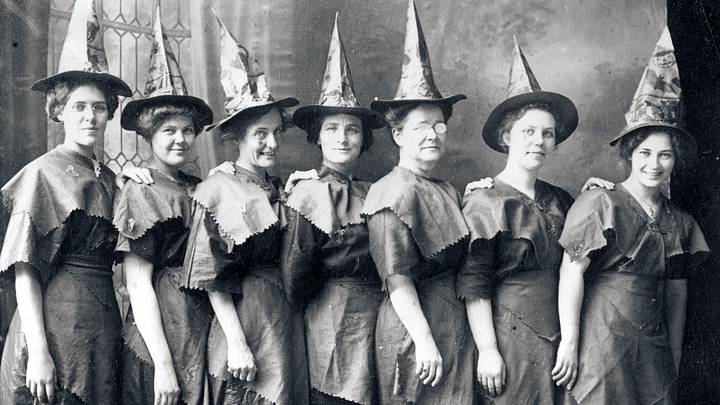
A hundred years ago, Halloween felt much more homemade. Women sewed clown costumes for their children, and partygoers showed up as classic spooky-season figures like witches and pumpkins, and donned eerie paper masks. This was before many of the now-classic horror films were even released, so people drew inspiration from books and old legends.
Though much has changed, spooky season is very much alive and well in 2026!