%20%20--%3E%0A%3Csvg%20version%3D%221.1%22%20id%3D%22Layer_1%22%20xmlns%3D%22http%3A%2F%2Fwww.w3.org%2F2000%2Fsvg%22%20xmlns%3Axlink%3D%22http%3A%2F%2Fwww.w3.org%2F1999%2Fxlink%22%20x%3D%220px%22%20y%3D%220px%22%0A%09%20viewBox%3D%220%200%20684.6%2068.1%22%20style%3D%22enable-background%3Anew%200%200%20684.6%2068.1%3B%22%20xml%3Aspace%3D%22preserve%22%3E%0A%3Cg%3E%0A%09%3Cpath%20d%3D%22M444.1%2C29.3h-17.4v14.5h17.4V29.3z%20M36.4%2C68.1l29.3-50.8V0H50.4L32.9%2C36.8L15.5%2C0H0v68.1h16.7V45.8l12.4%2C22.3H36.4z%0A%09%09%20M49.1%2C68.1h16.6V23.4L49.1%2C52.1V68.1z%20M76.6%2C68.1h45V53.8H93.3V41.6h21V27.1h-21V14.8h28.3V0.1h-45V68.1z%20M175.6%2C68.1h17.3v-68%0A%09%09h-16.5v40.3L150%2C0.1h-17.6v68h16.7V27.7L175.6%2C68.1z%20M235.8%2C14.8h15.4V0.1h-47.4v14.7H219v53.2h16.8V14.8z%20M290.3%2C45.9h-17.1%0A%09%09l7.5-15.6h2L290.3%2C45.9z%20M298.7%2C68.1h18l-32.2-68h-5.7l-32%2C68h18l3.3-7.1h27.1L298.7%2C68.1z%20M325.2%2C68.1h46.2V53.8h-29.6V0.1h-16.7%0A%09%09V68.1z%20M423.7%2C14.8h27.2V0.1H407v68h16.7V14.8z%20M462%2C68.1h46.2V53.8h-29.6V0.1H462V68.1z%20M564.8%2C34.1c0%2C10.7-7.2%2C19.2-18.5%2C19.2%0A%09%09c-11.4%2C0-18.5-8.5-18.5-19.2s7.1-19.2%2C18.5-19.2C557.6%2C14.9%2C564.8%2C23.4%2C564.8%2C34.1%20M580.6%2C34.1c0-19-14.2-34-34.3-34%0A%09%09c-20.2%2C0-34.3%2C15-34.3%2C34c0%2C19%2C14.1%2C34%2C34.3%2C34C566.4%2C68.1%2C580.6%2C53.1%2C580.6%2C34.1%20M604.8%2C20.5c0-4.1%2C3.3-6.2%2C6.7-6.2%0A%09%09c4.4%2C0%2C6.6%2C3%2C6.6%2C6.6h14.7C631.8%2C9.1%2C625.1%2C0.1%2C611%2C0.1c-12%2C0-21.7%2C9.3-21.7%2C20.6c0%2C10.9%2C5.9%2C15.9%2C16.7%2C19.8%0A%09%09c5.2%2C1.8%2C11.5%2C3.2%2C11.5%2C8c0%2C3.3-2.4%2C5.5-6.4%2C5.5c-3.6%2C0-6.6-3-6.6-6.7h-15.2c0%2C11.5%2C7.9%2C20.8%2C21.8%2C20.8c12%2C0%2C21.6-9.3%2C21.6-20.6%0A%09%09c0-10-5.3-16.4-16.7-19.8C610.6%2C26.1%2C604.8%2C25.3%2C604.8%2C20.5%20M670%2C20.9h14.7C683.8%2C9.1%2C677.1%2C0.1%2C663%2C0.1c-12%2C0-21.7%2C9.3-21.7%2C20.6%0A%09%09c0%2C10.9%2C5.9%2C15.9%2C16.7%2C19.8c5.2%2C1.8%2C11.5%2C3.2%2C11.5%2C8c0%2C3.3-2.4%2C5.5-6.4%2C5.5c-3.6%2C0-6.6-3-6.6-6.7h-15.2c0%2C11.5%2C7.9%2C20.8%2C21.8%2C20.8%0A%09%09c12%2C0%2C21.6-9.3%2C21.6-20.6c0-10-5.3-16.4-16.7-19.8c-5.4-1.6-11.3-2.4-11.3-7.2c0-4.1%2C3.3-6.2%2C6.7-6.2C667.7%2C14.4%2C670%2C17.3%2C670%2C20.9%0A%09%09%22%2F%3E%0A%3C%2Fg%3E%0A%3C%2Fsvg%3E%0A)

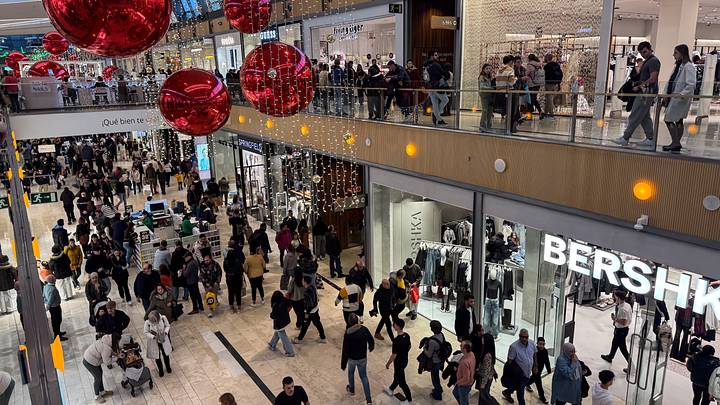
After filling up on turkey and pie, families across the United States would clear the table to make way for the battle plan. Store catalogs, coupons, maps, and wish lists were spread out, and the adults strategized and plotted out the schedule of the upcoming melee. Before online shopping, these were the preparations necessary for the sometimes daunting task of Black Friday shopping.
We often take for granted all the ways the internet has made life easier. Shopping online is simple and convenient, and it has made holiday shopping less of a frenzy than it once was. But before the internet, Black Friday sales only lasted a few hours, and you had to be there in person to get the deals. While some places still see shoppers lining up on Black Friday, the atmosphere has shifted since people have been able to shop from the comfort of their homes.

Advertising and Anticipation
Stores didn't have social media or email to advertise their products, so they had to get a little more creative. Mailing catalogs and look books to customers was common, with most households collecting a stack before Thanksgiving. They were marked by kids and adults, circling the items most wished for. These catalogs were different from the mail-order catalogs because they were just for advertising, and often didn't even include prices, hoping the desire would outweigh the price tag.
Another way stores enticed people in was through the window displays. It became a holiday tradition for American families to head to department stores to check out the awe-inspiring decorations and scenes. And while you were there, if you happened to notice the future doorbuster signs on hot-ticket items, you could plan to revisit the store on Black Friday.

Crowds and Chaos
Thanks to the internet, Black Friday deals have begun to spread throughout the weeks before Thanksgiving. Before the internet, though, Black Friday was strictly held for one day and one day only. You did not want to miss the deals, especially if your kid wanted the hottest toy of the year. So, people got a little crazy, camping out in front of stores to be the first in line when the doors opened at midnight or in the early Friday hours.
If you've seen the 1996 Arnold Schwarzenegger movie, Jingle All the Way, then you've seen how dangerous things could get with crowds of desperate people trying to give their families a magical Christmas. Fights over items occurred regularly, though the stampedes and trampling didn't start until the late 2000s. Maybe the instant gratification the internet gave negatively impacted people's patience? Because while it may have gotten rowdy in the '80s and '90s, nobody died.

The Original One-Stop Shop
Before Amazon existed, the mall was the best place to go to get most, if not all, of your Christmas shopping done. It was an outing for the whole family, where you also got pictures with Santa. Rather than driving all over the city for deals from many different stores, people often chose to head to the mall. Waiting in lines to get into each store, and the inevitable snacks when someone complained they were hungry, became part of the holiday tradition.
With the lights, decorations, and jolly atmosphere, the mall truly felt like a magical experience on Black Friday. And getting a new game, movie, or toy for 60% off was a perk too. Even with the crowds, it felt like a necessary ritual to ring in the holiday season. The internet has yet to recreate that warm feeling you got while walking through the mall, your arms laden with bags.