%20%20--%3E%0A%3Csvg%20version%3D%221.1%22%20id%3D%22Layer_1%22%20xmlns%3D%22http%3A%2F%2Fwww.w3.org%2F2000%2Fsvg%22%20xmlns%3Axlink%3D%22http%3A%2F%2Fwww.w3.org%2F1999%2Fxlink%22%20x%3D%220px%22%20y%3D%220px%22%0A%09%20viewBox%3D%220%200%20684.6%2068.1%22%20style%3D%22enable-background%3Anew%200%200%20684.6%2068.1%3B%22%20xml%3Aspace%3D%22preserve%22%3E%0A%3Cg%3E%0A%09%3Cpath%20d%3D%22M444.1%2C29.3h-17.4v14.5h17.4V29.3z%20M36.4%2C68.1l29.3-50.8V0H50.4L32.9%2C36.8L15.5%2C0H0v68.1h16.7V45.8l12.4%2C22.3H36.4z%0A%09%09%20M49.1%2C68.1h16.6V23.4L49.1%2C52.1V68.1z%20M76.6%2C68.1h45V53.8H93.3V41.6h21V27.1h-21V14.8h28.3V0.1h-45V68.1z%20M175.6%2C68.1h17.3v-68%0A%09%09h-16.5v40.3L150%2C0.1h-17.6v68h16.7V27.7L175.6%2C68.1z%20M235.8%2C14.8h15.4V0.1h-47.4v14.7H219v53.2h16.8V14.8z%20M290.3%2C45.9h-17.1%0A%09%09l7.5-15.6h2L290.3%2C45.9z%20M298.7%2C68.1h18l-32.2-68h-5.7l-32%2C68h18l3.3-7.1h27.1L298.7%2C68.1z%20M325.2%2C68.1h46.2V53.8h-29.6V0.1h-16.7%0A%09%09V68.1z%20M423.7%2C14.8h27.2V0.1H407v68h16.7V14.8z%20M462%2C68.1h46.2V53.8h-29.6V0.1H462V68.1z%20M564.8%2C34.1c0%2C10.7-7.2%2C19.2-18.5%2C19.2%0A%09%09c-11.4%2C0-18.5-8.5-18.5-19.2s7.1-19.2%2C18.5-19.2C557.6%2C14.9%2C564.8%2C23.4%2C564.8%2C34.1%20M580.6%2C34.1c0-19-14.2-34-34.3-34%0A%09%09c-20.2%2C0-34.3%2C15-34.3%2C34c0%2C19%2C14.1%2C34%2C34.3%2C34C566.4%2C68.1%2C580.6%2C53.1%2C580.6%2C34.1%20M604.8%2C20.5c0-4.1%2C3.3-6.2%2C6.7-6.2%0A%09%09c4.4%2C0%2C6.6%2C3%2C6.6%2C6.6h14.7C631.8%2C9.1%2C625.1%2C0.1%2C611%2C0.1c-12%2C0-21.7%2C9.3-21.7%2C20.6c0%2C10.9%2C5.9%2C15.9%2C16.7%2C19.8%0A%09%09c5.2%2C1.8%2C11.5%2C3.2%2C11.5%2C8c0%2C3.3-2.4%2C5.5-6.4%2C5.5c-3.6%2C0-6.6-3-6.6-6.7h-15.2c0%2C11.5%2C7.9%2C20.8%2C21.8%2C20.8c12%2C0%2C21.6-9.3%2C21.6-20.6%0A%09%09c0-10-5.3-16.4-16.7-19.8C610.6%2C26.1%2C604.8%2C25.3%2C604.8%2C20.5%20M670%2C20.9h14.7C683.8%2C9.1%2C677.1%2C0.1%2C663%2C0.1c-12%2C0-21.7%2C9.3-21.7%2C20.6%0A%09%09c0%2C10.9%2C5.9%2C15.9%2C16.7%2C19.8c5.2%2C1.8%2C11.5%2C3.2%2C11.5%2C8c0%2C3.3-2.4%2C5.5-6.4%2C5.5c-3.6%2C0-6.6-3-6.6-6.7h-15.2c0%2C11.5%2C7.9%2C20.8%2C21.8%2C20.8%0A%09%09c12%2C0%2C21.6-9.3%2C21.6-20.6c0-10-5.3-16.4-16.7-19.8c-5.4-1.6-11.3-2.4-11.3-7.2c0-4.1%2C3.3-6.2%2C6.7-6.2C667.7%2C14.4%2C670%2C17.3%2C670%2C20.9%0A%09%09%22%2F%3E%0A%3C%2Fg%3E%0A%3C%2Fsvg%3E%0A)

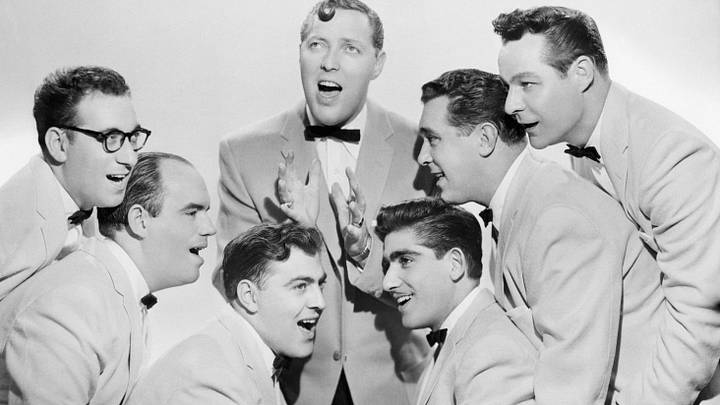
In 1955, rock and roll legends Bill Haley and His Comets recorded a 12-bar blues standard, written and first recorded earlier that year by Louisiana singer-songwriter Bobby Charles, called See You Later, Alligator.
Haley’s track was released early the following year, and although it didn’t hit the top of the charts, See You Later, Alligator nonetheless proved successful enough to become his third and final million-selling record in the U.S. Its popularity was later cemented by Haley performing the song in his 1956 big-screen musical Rock Around the Clock (filmed to cash in on the success of his earlier 1954 hit) that likewise became a global phenomenon—not least thanks to reports of unruly teenagers dancing in cinema aisles and causing riots wherever it was shown.
Before the Beat Dropped
Given both the song and the tie-in movie's success, it might be tempting to presume that it is responsible for "see you later, alligator" becoming a snappy, slangy way of saying goodbye to someone—and some etymological sources might even claim precisely that. But in fact, the opposite is true: Haley's song merely helped to circulate and further popularize a phrase that had already long been in use by the time his record was released.
The Oxford English Dictionary's earliest record of this phrase dates from just a year before Haley and Charles' song, when "see you later, alligator" was explained as "meaning goodbye" in a guide to contemporary slang that appeared in a Nevada newspaper article. The linguist and etymologist Pascal Tréguer has since unearthed an earlier record, from a newspaper in Hawaii in 1952, which likewise listed "see you later, alligator" as an example of "the everyday 'slang' many high school students use." But earlier still, the same phrase was used in an article in the Lincoln Heights Bulletin from Los Angeles, California, way back in December 1945:
JINGLE BELLS!! JINGLE BELLS!! Christmas is just around the corner … There are just two weeks shopping time till Xmas Day … so don't forget all those luscious presents you are buying for the family and friends. See you later alligators!!

Rhyming Slang Roots
Tellingly, this article doesn't feel the need to explain the phrase's meaning, but simply uses it as a jokey sign-off. That suggests that way back in the mid 1940s "see you later, alligator" was already a familiar enough way of saying goodbye. So if it doesn't come from Haley's song, and it was already in established use a decade earlier, where did it come from? Well, until any further earlier evidence comes to light, the most likely theory here is that "see you later, alligator" is a hangover from a 19th and early 20th century fad for so-called rhyming slang.
Thought to have emerged in London in the mid 1800s, rhyming slang was a faddish way of talking in which commonly used words were replaced with snappy rhyming equivalents. Stairs, for instance, became "apples and pears." A wife was a husband's "trouble and strife." To believe something was to "Adam and Eve" it. Later, during Britain's transportation era, when convicts were routinely shipped from the UK to see out their sentences elsewhere, rhyming slang spread to Australia too and quickly caught on there. And as any Brit or Aussie will doubtless tell you, many of these phrases are still well known (if not perhaps quite so well used) as they were almost two centuries ago.
In the 20th century, however, a wave of postwar Australian immigration appears to have brought this technique to the western United States. "See you later, alligator" was presumably either imported from Australia or, as is more likely, coined in the U.S. around this time. Rhyming slang itself doesn’t seem to have caught on for long in America, yet it was a fad just long enough—especially among students or teenagers—for a handful of these phrases to fall into use. So, as well as "See you later, alligator," and its stock reply "In a while, crocodile," you might once have heard the likes of "Do you know what I mean, jellybean?," "Don't get tough, powder puff," and "What’s buzzin', cousin?"
Not all of these have stood the test of time, but "see you later, alligator" did. And it's likely the success of Haley's record and the movie in which it appeared that helped to reinforce its use and the popularity it has had ever since.