%20%20--%3E%0A%3Csvg%20version%3D%221.1%22%20id%3D%22Layer_1%22%20xmlns%3D%22http%3A%2F%2Fwww.w3.org%2F2000%2Fsvg%22%20xmlns%3Axlink%3D%22http%3A%2F%2Fwww.w3.org%2F1999%2Fxlink%22%20x%3D%220px%22%20y%3D%220px%22%0A%09%20viewBox%3D%220%200%20684.6%2068.1%22%20style%3D%22enable-background%3Anew%200%200%20684.6%2068.1%3B%22%20xml%3Aspace%3D%22preserve%22%3E%0A%3Cg%3E%0A%09%3Cpath%20d%3D%22M444.1%2C29.3h-17.4v14.5h17.4V29.3z%20M36.4%2C68.1l29.3-50.8V0H50.4L32.9%2C36.8L15.5%2C0H0v68.1h16.7V45.8l12.4%2C22.3H36.4z%0A%09%09%20M49.1%2C68.1h16.6V23.4L49.1%2C52.1V68.1z%20M76.6%2C68.1h45V53.8H93.3V41.6h21V27.1h-21V14.8h28.3V0.1h-45V68.1z%20M175.6%2C68.1h17.3v-68%0A%09%09h-16.5v40.3L150%2C0.1h-17.6v68h16.7V27.7L175.6%2C68.1z%20M235.8%2C14.8h15.4V0.1h-47.4v14.7H219v53.2h16.8V14.8z%20M290.3%2C45.9h-17.1%0A%09%09l7.5-15.6h2L290.3%2C45.9z%20M298.7%2C68.1h18l-32.2-68h-5.7l-32%2C68h18l3.3-7.1h27.1L298.7%2C68.1z%20M325.2%2C68.1h46.2V53.8h-29.6V0.1h-16.7%0A%09%09V68.1z%20M423.7%2C14.8h27.2V0.1H407v68h16.7V14.8z%20M462%2C68.1h46.2V53.8h-29.6V0.1H462V68.1z%20M564.8%2C34.1c0%2C10.7-7.2%2C19.2-18.5%2C19.2%0A%09%09c-11.4%2C0-18.5-8.5-18.5-19.2s7.1-19.2%2C18.5-19.2C557.6%2C14.9%2C564.8%2C23.4%2C564.8%2C34.1%20M580.6%2C34.1c0-19-14.2-34-34.3-34%0A%09%09c-20.2%2C0-34.3%2C15-34.3%2C34c0%2C19%2C14.1%2C34%2C34.3%2C34C566.4%2C68.1%2C580.6%2C53.1%2C580.6%2C34.1%20M604.8%2C20.5c0-4.1%2C3.3-6.2%2C6.7-6.2%0A%09%09c4.4%2C0%2C6.6%2C3%2C6.6%2C6.6h14.7C631.8%2C9.1%2C625.1%2C0.1%2C611%2C0.1c-12%2C0-21.7%2C9.3-21.7%2C20.6c0%2C10.9%2C5.9%2C15.9%2C16.7%2C19.8%0A%09%09c5.2%2C1.8%2C11.5%2C3.2%2C11.5%2C8c0%2C3.3-2.4%2C5.5-6.4%2C5.5c-3.6%2C0-6.6-3-6.6-6.7h-15.2c0%2C11.5%2C7.9%2C20.8%2C21.8%2C20.8c12%2C0%2C21.6-9.3%2C21.6-20.6%0A%09%09c0-10-5.3-16.4-16.7-19.8C610.6%2C26.1%2C604.8%2C25.3%2C604.8%2C20.5%20M670%2C20.9h14.7C683.8%2C9.1%2C677.1%2C0.1%2C663%2C0.1c-12%2C0-21.7%2C9.3-21.7%2C20.6%0A%09%09c0%2C10.9%2C5.9%2C15.9%2C16.7%2C19.8c5.2%2C1.8%2C11.5%2C3.2%2C11.5%2C8c0%2C3.3-2.4%2C5.5-6.4%2C5.5c-3.6%2C0-6.6-3-6.6-6.7h-15.2c0%2C11.5%2C7.9%2C20.8%2C21.8%2C20.8%0A%09%09c12%2C0%2C21.6-9.3%2C21.6-20.6c0-10-5.3-16.4-16.7-19.8c-5.4-1.6-11.3-2.4-11.3-7.2c0-4.1%2C3.3-6.2%2C6.7-6.2C667.7%2C14.4%2C670%2C17.3%2C670%2C20.9%0A%09%09%22%2F%3E%0A%3C%2Fg%3E%0A%3C%2Fsvg%3E%0A)

English has commitment issues. Words wander, meanings drift, and what once sounded flattering can now sound deeply unhinged.
William Shakespeare wrote in Early Modern English, which means a lot of the words he used look familiar to us, but don’t behave in the way we expect. Not to mention, The Bard created over 1,700 brand-spanking-new words, so we can only anticipate that their meaning would be warped and rewritten as the centuries passed.
Below are 12 Shakespearean words that quietly changed their meaning over the last few centuries.
Cunning
In Shakespeare’s time, “cunning” simply meant clever or intellectually sharp, without any shady undertones. Today, calling someone cunning suggests manipulation or trickery to some extent.
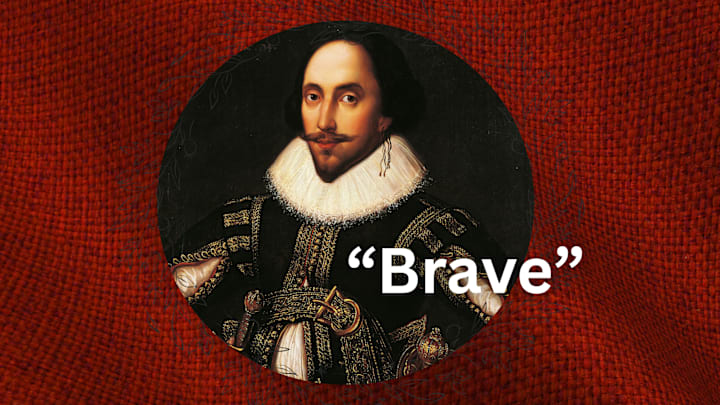
Brave
“Brave” once described someone who was handsome, impressive, or finely dressed. Somewhere along the way, it stopped being about looks and became all about courage.
Want
To “want” something meant to lack it, not desire it. This shift alone has caused centuries of confusion and wildly different interpretations of Shakespearean insults.

Honest
“Honest” referred to moral purity or virtue, especially sexual virtue, rather than truthfulness. Calling someone honest was about who they were, not whether they were lying.
Fond
Being fond didn’t mean affectionate: it meant foolish, misguided, or overly naive. A fond lover wasn’t sweet; they were embarrassing themselves publicly.
Brutal
Brutal once described something animalistic or beast-like, rather than emotionally cruel. The emphasis was on lack of refinement, not necessarily malice.

Conceit
A conceit was an idea, concept, or imaginative thought, especially a clever metaphor. It didn’t imply arrogance. If anything, it implied creativity.
Nice
Nice originally meant foolish, ignorant, or lacking judgment. It’s definitely one of the words with the most changed interpretations over time.
Silly
“Silly” once meant innocent, helpless, or deserving of sympathy. The shift toward meaning intelligent or unserious is relatively recent, in fact.

Tax
To tax someone was to blame or accuse them, not charge them money. Emotional taxation came long before financial taxation.
Merely
“Merely” meant completely or utterly, adding emphasis rather than minimizing importance. Today, it does the opposite, making things sound trivial or insignificant.
Jealous
“Jealous” often meant suspicious or mistrustful, not envious. Othello’s jealousy wasn’t petty insecurity, but rather corrosive doubt.
Shakespeare was a once-in-a-century talent. The fact that we’re still discussing what his words mean 400 years later feels like proof that language, like literature, never really stops evolving.