%20%20--%3E%0A%3Csvg%20version%3D%221.1%22%20id%3D%22Layer_1%22%20xmlns%3D%22http%3A%2F%2Fwww.w3.org%2F2000%2Fsvg%22%20xmlns%3Axlink%3D%22http%3A%2F%2Fwww.w3.org%2F1999%2Fxlink%22%20x%3D%220px%22%20y%3D%220px%22%0A%09%20viewBox%3D%220%200%20684.6%2068.1%22%20style%3D%22enable-background%3Anew%200%200%20684.6%2068.1%3B%22%20xml%3Aspace%3D%22preserve%22%3E%0A%3Cg%3E%0A%09%3Cpath%20d%3D%22M444.1%2C29.3h-17.4v14.5h17.4V29.3z%20M36.4%2C68.1l29.3-50.8V0H50.4L32.9%2C36.8L15.5%2C0H0v68.1h16.7V45.8l12.4%2C22.3H36.4z%0A%09%09%20M49.1%2C68.1h16.6V23.4L49.1%2C52.1V68.1z%20M76.6%2C68.1h45V53.8H93.3V41.6h21V27.1h-21V14.8h28.3V0.1h-45V68.1z%20M175.6%2C68.1h17.3v-68%0A%09%09h-16.5v40.3L150%2C0.1h-17.6v68h16.7V27.7L175.6%2C68.1z%20M235.8%2C14.8h15.4V0.1h-47.4v14.7H219v53.2h16.8V14.8z%20M290.3%2C45.9h-17.1%0A%09%09l7.5-15.6h2L290.3%2C45.9z%20M298.7%2C68.1h18l-32.2-68h-5.7l-32%2C68h18l3.3-7.1h27.1L298.7%2C68.1z%20M325.2%2C68.1h46.2V53.8h-29.6V0.1h-16.7%0A%09%09V68.1z%20M423.7%2C14.8h27.2V0.1H407v68h16.7V14.8z%20M462%2C68.1h46.2V53.8h-29.6V0.1H462V68.1z%20M564.8%2C34.1c0%2C10.7-7.2%2C19.2-18.5%2C19.2%0A%09%09c-11.4%2C0-18.5-8.5-18.5-19.2s7.1-19.2%2C18.5-19.2C557.6%2C14.9%2C564.8%2C23.4%2C564.8%2C34.1%20M580.6%2C34.1c0-19-14.2-34-34.3-34%0A%09%09c-20.2%2C0-34.3%2C15-34.3%2C34c0%2C19%2C14.1%2C34%2C34.3%2C34C566.4%2C68.1%2C580.6%2C53.1%2C580.6%2C34.1%20M604.8%2C20.5c0-4.1%2C3.3-6.2%2C6.7-6.2%0A%09%09c4.4%2C0%2C6.6%2C3%2C6.6%2C6.6h14.7C631.8%2C9.1%2C625.1%2C0.1%2C611%2C0.1c-12%2C0-21.7%2C9.3-21.7%2C20.6c0%2C10.9%2C5.9%2C15.9%2C16.7%2C19.8%0A%09%09c5.2%2C1.8%2C11.5%2C3.2%2C11.5%2C8c0%2C3.3-2.4%2C5.5-6.4%2C5.5c-3.6%2C0-6.6-3-6.6-6.7h-15.2c0%2C11.5%2C7.9%2C20.8%2C21.8%2C20.8c12%2C0%2C21.6-9.3%2C21.6-20.6%0A%09%09c0-10-5.3-16.4-16.7-19.8C610.6%2C26.1%2C604.8%2C25.3%2C604.8%2C20.5%20M670%2C20.9h14.7C683.8%2C9.1%2C677.1%2C0.1%2C663%2C0.1c-12%2C0-21.7%2C9.3-21.7%2C20.6%0A%09%09c0%2C10.9%2C5.9%2C15.9%2C16.7%2C19.8c5.2%2C1.8%2C11.5%2C3.2%2C11.5%2C8c0%2C3.3-2.4%2C5.5-6.4%2C5.5c-3.6%2C0-6.6-3-6.6-6.7h-15.2c0%2C11.5%2C7.9%2C20.8%2C21.8%2C20.8%0A%09%09c12%2C0%2C21.6-9.3%2C21.6-20.6c0-10-5.3-16.4-16.7-19.8c-5.4-1.6-11.3-2.4-11.3-7.2c0-4.1%2C3.3-6.2%2C6.7-6.2C667.7%2C14.4%2C670%2C17.3%2C670%2C20.9%0A%09%09%22%2F%3E%0A%3C%2Fg%3E%0A%3C%2Fsvg%3E%0A)

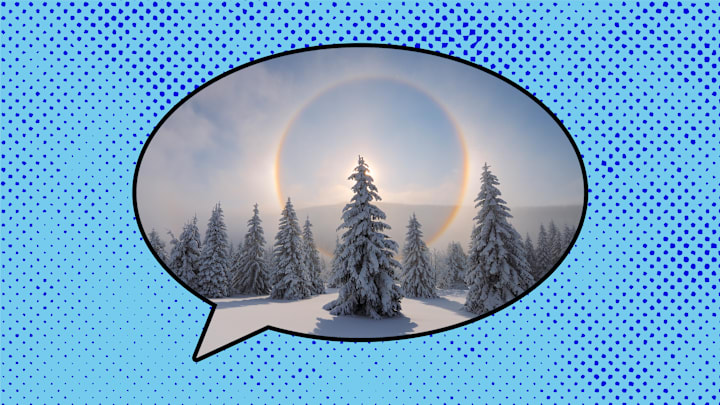
“Winter is good,” Emily Dickinson once declared, “But welcome when he goes.” She was so right. The season that brings us joyous holidays, rollicking snowball fights, and the delights of nature also brings bitter cold and long nights. By the time March rolls around, spring does indeed come as something of a relief. Until then, take a moment to enjoy the advent of the brumal months by snuggling under a blanket, and curling up with these 14 words for winter from around the world.
- Biboon // Anishinaabemowin
- Winter, vinter // English, Dutch, German; Danish Norwegian, Swedish
- Zima // Slavic Languages
- χειμώνας (Cheimonas) // Greek
- Inverno, invierno, hiver // Italian and Portuguese, Spanish, French
- 冬 (Fuyu) // Japanese
- Tél // Hungarian
- Geimhreadh // Irish Gaelic
- Kış // Turkish
- חורף (Choref) // Hebrew
- Gaeaf // Welsh
- 겨울 (Gyeoul) // Korean
- Waníyetu // Lakota
- Ukiuq // Inuktitut
Biboon // Anishinaabemowin

“For many generations, winter has been the season for traditional Ojibwe storytelling,” writes scholar Linda LaGarde Grover. “Stories about creation, and how the world came to be the way it is, are told only during the winter.” Biboon is the word for “winter” in Anishinaabemowin, the language of the Anishinaabe, or Ojibwe peoples of the upper Midwest of the United States and central Canada.
Winter, vinter // English, Dutch, German; Danish Norwegian, Swedish

Germans spell it the same way the English do but pronounce it like the Danes, Norwegians, and Swedes spell it: vinter. The etymology of the word is a bit cryptic. “It lies hidden like the proverbial needle in a haystack,” writes linguist Anatoly Liberman. The ancient Goths had wintrus, but before that, things get complicated. The word may be related to the words windy and wet, both apt descriptions of winter in many locales.
You May Also Like ...
- 25 Facts About the Winter Solstice, the Shortest Day of the Year
- 15 Surprising Facts About Winter Weather
- 19 Old Cold Weather Words to Get You Through Winter
Add Mental Floss as a preferred news source!
Zima // Slavic Languages

Russian, Czech, Bulgarian, and Serbo-Croatian, all Slavic languages, share the same word for winter: zima. In 1994 Coors took the advice of Lexicon Branding’s Jane Espenson (who would go on to write for Buffy the Vampire Slayer and Game of Thrones) and name a frosty new wine spritzer “Zima” after Eastern Europe’s wintry season.
χειμώνας (Cheimonas) // Greek

In My Big Fat Greek Wedding (2002), the heroine’s father suggests that every word has a Greek root, including the Japanese word kimono, which he says comes from the Greek word for winter, cheimonas. “So what do you wear in the wintertime to stay warm? A robe. You see, a robe, kimono, there you go,” he says. The etymology is certainly not true, though he helped to spread the word about the Greek word for winter.
Inverno, invierno, hiver // Italian and Portuguese, Spanish, French

If Greek didn’t gift Japanese with kimono, it did give Latin its word for a winter storm, hiems, which developed into the words for winter in modern-day Italian, Spanish, Portuguese, and French, including inverno, invierno, and hiver.
冬 (Fuyu) // Japanese

The word for winter in Japanese, by the way, is fuyu.
Tél // Hungarian

The Hungarian word for winter, tél, sounds quite a bit like the Finnish word for the same, talvi, which gives away the (not intuitive) fact that Hungarian and Finnish belong to the same language family.
Geimhreadh // Irish Gaelic

Ancient Irish Celts traditionally divided their year into only two seasons, the summer half and Geimhreadh, the winter half, which began on the eve of November 1, known as Samhain. Those who live in northern climes know well the wisdom of starting winter many weeks earlier than the official winter solstice on December 21.
Kış // Turkish

In some western regions of Turkey, kış (winter) is the time for camel wrestling festivals, when female camels are in heat. Really.
חורף (Choref) // Hebrew

Though choref is the modern Hebrew word for winter, it wasn’t always: Stav, the Hebrew word for fall, was for centuries taken to mean “winter,” and is translated into English as such in the Song of Solomon.
Gaeaf // Welsh

Like other Celtic regions, Wales traditionally celebrated the start of winter on Halloween, Nos Calan Gaeaf (“the eve of the winter kalend”).
겨울 (Gyeoul) // Korean

In Korea, gyeoul, winter, is a festive occasion. The Mount Trout Ice Festival attracts tens of thousands each year to try their hand at ice fishing—with their bare hands.
Waníyetu // Lakota

For the Lakota peoples, waniyetu (winter) was both a season and the way to record the passage of time. Some record keepers would create pictographs of each year to record their most important events. These waniyetu iyawapi (“winter counts”) became the source of memory for the community.
Ukiuq // Inuktitut

The old saying about Inuit peoples having 52 words for snow is not true. According to linguist Lucien Schneider, there are likely only about 12 words for snow and 10 for ice in the Inuktitut language. And there is only one for winter: ukiuq. Northern peoples could get very creative with their names for the individual months of winter. Broadcaster Aseena Mablick cites the example of the Nunavik people of Nothern Quebec’s word for January. Naliqqaittuq, the coldest month of the year, translates to “nobody’s able to compete with it.”
A version of this story originally ran in 2021; it has been updated for 2025.