%20%20--%3E%0A%3Csvg%20version%3D%221.1%22%20id%3D%22Layer_1%22%20xmlns%3D%22http%3A%2F%2Fwww.w3.org%2F2000%2Fsvg%22%20xmlns%3Axlink%3D%22http%3A%2F%2Fwww.w3.org%2F1999%2Fxlink%22%20x%3D%220px%22%20y%3D%220px%22%0A%09%20viewBox%3D%220%200%20684.6%2068.1%22%20style%3D%22enable-background%3Anew%200%200%20684.6%2068.1%3B%22%20xml%3Aspace%3D%22preserve%22%3E%0A%3Cg%3E%0A%09%3Cpath%20d%3D%22M444.1%2C29.3h-17.4v14.5h17.4V29.3z%20M36.4%2C68.1l29.3-50.8V0H50.4L32.9%2C36.8L15.5%2C0H0v68.1h16.7V45.8l12.4%2C22.3H36.4z%0A%09%09%20M49.1%2C68.1h16.6V23.4L49.1%2C52.1V68.1z%20M76.6%2C68.1h45V53.8H93.3V41.6h21V27.1h-21V14.8h28.3V0.1h-45V68.1z%20M175.6%2C68.1h17.3v-68%0A%09%09h-16.5v40.3L150%2C0.1h-17.6v68h16.7V27.7L175.6%2C68.1z%20M235.8%2C14.8h15.4V0.1h-47.4v14.7H219v53.2h16.8V14.8z%20M290.3%2C45.9h-17.1%0A%09%09l7.5-15.6h2L290.3%2C45.9z%20M298.7%2C68.1h18l-32.2-68h-5.7l-32%2C68h18l3.3-7.1h27.1L298.7%2C68.1z%20M325.2%2C68.1h46.2V53.8h-29.6V0.1h-16.7%0A%09%09V68.1z%20M423.7%2C14.8h27.2V0.1H407v68h16.7V14.8z%20M462%2C68.1h46.2V53.8h-29.6V0.1H462V68.1z%20M564.8%2C34.1c0%2C10.7-7.2%2C19.2-18.5%2C19.2%0A%09%09c-11.4%2C0-18.5-8.5-18.5-19.2s7.1-19.2%2C18.5-19.2C557.6%2C14.9%2C564.8%2C23.4%2C564.8%2C34.1%20M580.6%2C34.1c0-19-14.2-34-34.3-34%0A%09%09c-20.2%2C0-34.3%2C15-34.3%2C34c0%2C19%2C14.1%2C34%2C34.3%2C34C566.4%2C68.1%2C580.6%2C53.1%2C580.6%2C34.1%20M604.8%2C20.5c0-4.1%2C3.3-6.2%2C6.7-6.2%0A%09%09c4.4%2C0%2C6.6%2C3%2C6.6%2C6.6h14.7C631.8%2C9.1%2C625.1%2C0.1%2C611%2C0.1c-12%2C0-21.7%2C9.3-21.7%2C20.6c0%2C10.9%2C5.9%2C15.9%2C16.7%2C19.8%0A%09%09c5.2%2C1.8%2C11.5%2C3.2%2C11.5%2C8c0%2C3.3-2.4%2C5.5-6.4%2C5.5c-3.6%2C0-6.6-3-6.6-6.7h-15.2c0%2C11.5%2C7.9%2C20.8%2C21.8%2C20.8c12%2C0%2C21.6-9.3%2C21.6-20.6%0A%09%09c0-10-5.3-16.4-16.7-19.8C610.6%2C26.1%2C604.8%2C25.3%2C604.8%2C20.5%20M670%2C20.9h14.7C683.8%2C9.1%2C677.1%2C0.1%2C663%2C0.1c-12%2C0-21.7%2C9.3-21.7%2C20.6%0A%09%09c0%2C10.9%2C5.9%2C15.9%2C16.7%2C19.8c5.2%2C1.8%2C11.5%2C3.2%2C11.5%2C8c0%2C3.3-2.4%2C5.5-6.4%2C5.5c-3.6%2C0-6.6-3-6.6-6.7h-15.2c0%2C11.5%2C7.9%2C20.8%2C21.8%2C20.8%0A%09%09c12%2C0%2C21.6-9.3%2C21.6-20.6c0-10-5.3-16.4-16.7-19.8c-5.4-1.6-11.3-2.4-11.3-7.2c0-4.1%2C3.3-6.2%2C6.7-6.2C667.7%2C14.4%2C670%2C17.3%2C670%2C20.9%0A%09%09%22%2F%3E%0A%3C%2Fg%3E%0A%3C%2Fsvg%3E%0A)

You've likely heard the saying, "March comes in like a lion and out like a lamb," so it should come as no surprise that some of history's most celebrated authors were dually captivated with the beauty and unpredictability of March.
For centuries, writers have been inspired by the fickleness of the month. It's ever-changing moods, its hesitant sunshine, and the small green plants that begin to push through the soil, giving us hope that warmth is soon to arrive. In literature, March is more than a calendar layout of 31 days; it's a threshold where endings and beginnings greet each other.
Classic authors often viewed March as a storybook within itself. One day, it whispers sweet nothings of spring with birds singing and light dancing on the sidewalks, and the next, it reminds us that winter is not yet finished. This playful inconsistency has prompted poets and novelists to describe March as mysterious, hopeful, impatient, and also full of promise. March invites us to let go of the illusion of control and simply observe nature. Moments of stillness, watching snow melt, smelling the rain, and witnessing the first flowers emerge all come together to create the quintessential spring experience.
Through their words, these eight writers emphasized the recurring themes of the seasons and the patience needed for renewal, reminding us that we live according to Mother Nature’s schedule and that her lessons are worth considering.
Here are eight unforgettable lines timeless authors wrote about March.
- William Shakespeare
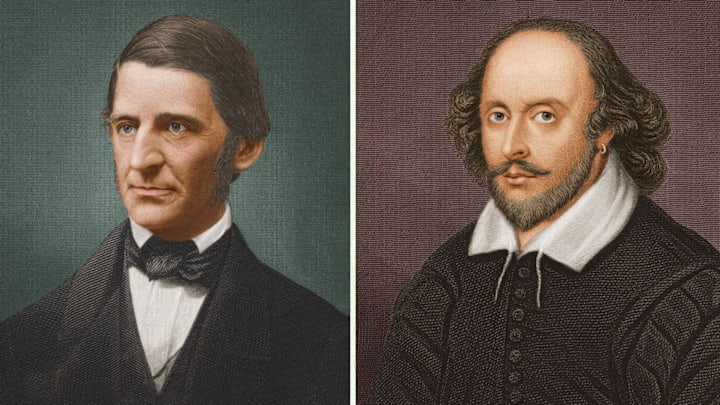
- Ralph Waldo Emerson
- Charles Dickens
- Emily Dickinson
- Robert Frost
- Hal Borland
- Sylvia Plath
- Mary Oliver
William Shakespeare

“Daffodils, That come before the swallow dares, and take The winds of March with beauty.”
William Shakespeare penned this line in his play, The Winter’s Tale, in 1611, drawing attention to flowers that bloom in early March, enduring impulsive winds that blow across the month.
Ralph Waldo Emerson

“Our life is March weather, savage and serene in one hour."
This line, written by 19th-century American poet Ralph Waldo Emerson, is featured in The Complete Essays of Ralph Waldo Emerson. It beautifully conveys the unpredictable whirlwind that is life. One moment, you feel on top of the world, and everything seems orderly, and the next, you're knocked down and clouded with confusion, similar to March's weather fluctuations.
Charles Dickens

"It was one of those March days when the sun shines hot and the wind blows cold: when it is summer in the light, and winter in the shade."
This famous line comes from English novelist Charles Dickens' Great Expectations (published in 1861) in which the author wrote a universal truth about March: when you step outside and bask in the sun’s warmth, only to instantly regret not grabbing a jacket the moment you stroll into the shade.
Emily Dickinson

"March is the month of expectation, the things we do not know."
Prolific American poet Emily Dickinson perfectly captured the ideals of early spring with this line featured in her poem "March Is The Month Of Expectations" (published after her death in 1886). It expresses society’s tendency to expect a lot from March, without knowing what lies ahead, while remaining hopeful.
Robert Frost

"When the sun is out and the wind is still, You're one month on in the middle of May. But if you so much as dare to speak, A cloud comes over the sunlit arch, A wind comes off a frozen peak, And you're two months back in the middle of March."
Acclaimed poet Robert Frost reflected on March in his poem, "Two Tramps in Mud Time," published in his 1936 collection, A Further Range. He noted how the weather can be misleading: just when you begin to long for warmth, the wind sweeps in and reminds you that it's still only March.
Hal Borland

“March is a tomboy with tousled hair, a mischievous smile, mud on her shoes and a laugh in her voice.”
Hal Borland, an American journalist renowned for his connection to nature and his contributions to The New York Times in the 1930s and '40s, authored this line to give March a relatable identity. It's surprising and impulsive, yet, at the same time, curious and light, like a child.
Sylvia Plath

"In March I'll be rested, caught up, and human."
American poet and novelist Sylvia Plath wrote a letter to her mother in 1953 (featured in The Letters of Sylvia Plath, Vol 1: 1940-1956) signaling the well-known feeling of surviving winter and approaching the season of new beginnings.
Mary Oliver

"In March the earth remembers its own name. Everywhere the plates of snow are cracking. The rivers begin to sing."
Pulitzer Prize-winning poet Mary Oliver published a collection of poetry titled Twelve Moons in 1978. Included in this collection is the poem "Worm Moon," from which this line, crafted to embrace winter’s shift to spring and personifying elements in nature, is taken.