%20%20--%3E%0A%3Csvg%20version%3D%221.1%22%20id%3D%22Layer_1%22%20xmlns%3D%22http%3A%2F%2Fwww.w3.org%2F2000%2Fsvg%22%20xmlns%3Axlink%3D%22http%3A%2F%2Fwww.w3.org%2F1999%2Fxlink%22%20x%3D%220px%22%20y%3D%220px%22%0A%09%20viewBox%3D%220%200%20684.6%2068.1%22%20style%3D%22enable-background%3Anew%200%200%20684.6%2068.1%3B%22%20xml%3Aspace%3D%22preserve%22%3E%0A%3Cg%3E%0A%09%3Cpath%20d%3D%22M444.1%2C29.3h-17.4v14.5h17.4V29.3z%20M36.4%2C68.1l29.3-50.8V0H50.4L32.9%2C36.8L15.5%2C0H0v68.1h16.7V45.8l12.4%2C22.3H36.4z%0A%09%09%20M49.1%2C68.1h16.6V23.4L49.1%2C52.1V68.1z%20M76.6%2C68.1h45V53.8H93.3V41.6h21V27.1h-21V14.8h28.3V0.1h-45V68.1z%20M175.6%2C68.1h17.3v-68%0A%09%09h-16.5v40.3L150%2C0.1h-17.6v68h16.7V27.7L175.6%2C68.1z%20M235.8%2C14.8h15.4V0.1h-47.4v14.7H219v53.2h16.8V14.8z%20M290.3%2C45.9h-17.1%0A%09%09l7.5-15.6h2L290.3%2C45.9z%20M298.7%2C68.1h18l-32.2-68h-5.7l-32%2C68h18l3.3-7.1h27.1L298.7%2C68.1z%20M325.2%2C68.1h46.2V53.8h-29.6V0.1h-16.7%0A%09%09V68.1z%20M423.7%2C14.8h27.2V0.1H407v68h16.7V14.8z%20M462%2C68.1h46.2V53.8h-29.6V0.1H462V68.1z%20M564.8%2C34.1c0%2C10.7-7.2%2C19.2-18.5%2C19.2%0A%09%09c-11.4%2C0-18.5-8.5-18.5-19.2s7.1-19.2%2C18.5-19.2C557.6%2C14.9%2C564.8%2C23.4%2C564.8%2C34.1%20M580.6%2C34.1c0-19-14.2-34-34.3-34%0A%09%09c-20.2%2C0-34.3%2C15-34.3%2C34c0%2C19%2C14.1%2C34%2C34.3%2C34C566.4%2C68.1%2C580.6%2C53.1%2C580.6%2C34.1%20M604.8%2C20.5c0-4.1%2C3.3-6.2%2C6.7-6.2%0A%09%09c4.4%2C0%2C6.6%2C3%2C6.6%2C6.6h14.7C631.8%2C9.1%2C625.1%2C0.1%2C611%2C0.1c-12%2C0-21.7%2C9.3-21.7%2C20.6c0%2C10.9%2C5.9%2C15.9%2C16.7%2C19.8%0A%09%09c5.2%2C1.8%2C11.5%2C3.2%2C11.5%2C8c0%2C3.3-2.4%2C5.5-6.4%2C5.5c-3.6%2C0-6.6-3-6.6-6.7h-15.2c0%2C11.5%2C7.9%2C20.8%2C21.8%2C20.8c12%2C0%2C21.6-9.3%2C21.6-20.6%0A%09%09c0-10-5.3-16.4-16.7-19.8C610.6%2C26.1%2C604.8%2C25.3%2C604.8%2C20.5%20M670%2C20.9h14.7C683.8%2C9.1%2C677.1%2C0.1%2C663%2C0.1c-12%2C0-21.7%2C9.3-21.7%2C20.6%0A%09%09c0%2C10.9%2C5.9%2C15.9%2C16.7%2C19.8c5.2%2C1.8%2C11.5%2C3.2%2C11.5%2C8c0%2C3.3-2.4%2C5.5-6.4%2C5.5c-3.6%2C0-6.6-3-6.6-6.7h-15.2c0%2C11.5%2C7.9%2C20.8%2C21.8%2C20.8%0A%09%09c12%2C0%2C21.6-9.3%2C21.6-20.6c0-10-5.3-16.4-16.7-19.8c-5.4-1.6-11.3-2.4-11.3-7.2c0-4.1%2C3.3-6.2%2C6.7-6.2C667.7%2C14.4%2C670%2C17.3%2C670%2C20.9%0A%09%09%22%2F%3E%0A%3C%2Fg%3E%0A%3C%2Fsvg%3E%0A)

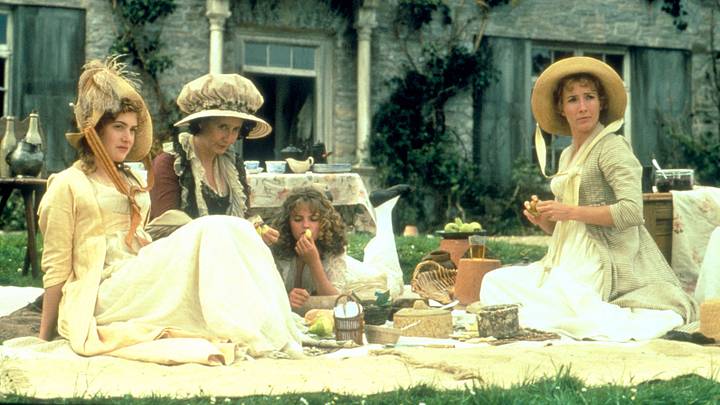
Sense and Sensibility was Jane Austen’s debut novel, published anonymously in three volumes in 1811. Although she had been writing since childhood, Austen was 35 years old when the novel was released; she would publish three more in her lifetime (Pride and Prejudice in 1813, Mansfield Park in 1814, and Emma in 1815) before she died in 1817, at the age of just 41.
Her final two novels, Northanger Abbey and Persuasion, were published posthumously the same year.
AUSTEN'S LONG ROAD TO PRINT

Austen initially began writing Sense and Sensibility in 1795. Originally, she had written it with the title Elinor and Marianne (the name of the two sisters around whom much of the novel’s action takes place), and it was originally an epistolary novel (i.e., written in the form of postal letters). After more than a decade’s work, she then hugely revised the manuscript in 1809, swapping out the letter-writing structure for a more narrative form, before looking to have it published soon afterward.
Working with her brother Henry, who essentially acted as her agent, Austen submitted the novel to publisher Thomas Egerton. But in a move that was not uncommon at the time, she published the book on a commission basis and so took on a considerable financial burden in the publishing process herself. In accordance with the deal she worked out with Egerton, she would cover the production and advertising costs, while paying Egerton a commission to distribute the book to sellers. Whatever profits were left over were ultimately hers.
PRAISE, PURPOSE, AND PRINCESSES

The commission arrangement was a risk, but happily the book sold well and, with the first print run selling out inside two years, eventually made a tidy profit. “You will be glad to hear that every copy of [Sense and Sensibility] is sold and that it has brought me £140,” she wrote in a letter to her brother Frank in 1813. The book was clearly popular with readers (enough to warrant a second edition in the autumn of 1813) among whom was none other than Princess Charlotte Augusta, the 15-year-old daughter of the Prince Regent, and the future King George IV. “I have just finished reading [Sense and Sensibility],” Charlotte wrote in January 1812. “It is certainly interesting, [and] you feel quite one of the company … I must say it interested me much.” The young princess even went so far as to consider herself and the character of Marianne as being “very like in disposition.”
But contemporary critics found much to praise in Austen’s novel too. Although Austen’s novels all received only a handful of reviews in total, at least one anonymous review in the British cultural publication The Critical Review in 1812 called Sense and Sensibility “highly pleasing,” and “just long enough to interest the reader without fatiguing.” Supporting quotes and extracts were supplied for readers to make up their own mind, but on the whole the review stated that the “incidents are probable, and highly pleasing and interesting.”
As was apparently a theme among critics and literary thinkers at the time, however, some early reviews also thought it important to not only discuss the novel’s literary merits, but its educational purpose as essentially a moral guidebook for young women too. As a result, the novel was commended for the many “benefits” that female readers in particular will get from reading “these volumes”—while another anonymous write-up in The Critical Review in 1812 added that, “the object of the work is to represent the effects on the conduct of life,” and in that sense it contains, “many sober and salutary maxims” alongside its “very pleasing and entertaining narrative.”
Not everyone was quite so convinced, however. One of only a handful of non-journalistic contemporary opinions came from Lady Henrietta Ponsonby, the wife of the English nobleman the Earl of Bessborough. Although she admitted that she found the book overall “amusing” in a letter recommending the novel to a friend, Lady Bessborough also stated that “it ends stupidly.”
Happily, most Austen fans today would likely disagree with her.