%20%20--%3E%0A%3Csvg%20version%3D%221.1%22%20id%3D%22Layer_1%22%20xmlns%3D%22http%3A%2F%2Fwww.w3.org%2F2000%2Fsvg%22%20xmlns%3Axlink%3D%22http%3A%2F%2Fwww.w3.org%2F1999%2Fxlink%22%20x%3D%220px%22%20y%3D%220px%22%0A%09%20viewBox%3D%220%200%20684.6%2068.1%22%20style%3D%22enable-background%3Anew%200%200%20684.6%2068.1%3B%22%20xml%3Aspace%3D%22preserve%22%3E%0A%3Cg%3E%0A%09%3Cpath%20d%3D%22M444.1%2C29.3h-17.4v14.5h17.4V29.3z%20M36.4%2C68.1l29.3-50.8V0H50.4L32.9%2C36.8L15.5%2C0H0v68.1h16.7V45.8l12.4%2C22.3H36.4z%0A%09%09%20M49.1%2C68.1h16.6V23.4L49.1%2C52.1V68.1z%20M76.6%2C68.1h45V53.8H93.3V41.6h21V27.1h-21V14.8h28.3V0.1h-45V68.1z%20M175.6%2C68.1h17.3v-68%0A%09%09h-16.5v40.3L150%2C0.1h-17.6v68h16.7V27.7L175.6%2C68.1z%20M235.8%2C14.8h15.4V0.1h-47.4v14.7H219v53.2h16.8V14.8z%20M290.3%2C45.9h-17.1%0A%09%09l7.5-15.6h2L290.3%2C45.9z%20M298.7%2C68.1h18l-32.2-68h-5.7l-32%2C68h18l3.3-7.1h27.1L298.7%2C68.1z%20M325.2%2C68.1h46.2V53.8h-29.6V0.1h-16.7%0A%09%09V68.1z%20M423.7%2C14.8h27.2V0.1H407v68h16.7V14.8z%20M462%2C68.1h46.2V53.8h-29.6V0.1H462V68.1z%20M564.8%2C34.1c0%2C10.7-7.2%2C19.2-18.5%2C19.2%0A%09%09c-11.4%2C0-18.5-8.5-18.5-19.2s7.1-19.2%2C18.5-19.2C557.6%2C14.9%2C564.8%2C23.4%2C564.8%2C34.1%20M580.6%2C34.1c0-19-14.2-34-34.3-34%0A%09%09c-20.2%2C0-34.3%2C15-34.3%2C34c0%2C19%2C14.1%2C34%2C34.3%2C34C566.4%2C68.1%2C580.6%2C53.1%2C580.6%2C34.1%20M604.8%2C20.5c0-4.1%2C3.3-6.2%2C6.7-6.2%0A%09%09c4.4%2C0%2C6.6%2C3%2C6.6%2C6.6h14.7C631.8%2C9.1%2C625.1%2C0.1%2C611%2C0.1c-12%2C0-21.7%2C9.3-21.7%2C20.6c0%2C10.9%2C5.9%2C15.9%2C16.7%2C19.8%0A%09%09c5.2%2C1.8%2C11.5%2C3.2%2C11.5%2C8c0%2C3.3-2.4%2C5.5-6.4%2C5.5c-3.6%2C0-6.6-3-6.6-6.7h-15.2c0%2C11.5%2C7.9%2C20.8%2C21.8%2C20.8c12%2C0%2C21.6-9.3%2C21.6-20.6%0A%09%09c0-10-5.3-16.4-16.7-19.8C610.6%2C26.1%2C604.8%2C25.3%2C604.8%2C20.5%20M670%2C20.9h14.7C683.8%2C9.1%2C677.1%2C0.1%2C663%2C0.1c-12%2C0-21.7%2C9.3-21.7%2C20.6%0A%09%09c0%2C10.9%2C5.9%2C15.9%2C16.7%2C19.8c5.2%2C1.8%2C11.5%2C3.2%2C11.5%2C8c0%2C3.3-2.4%2C5.5-6.4%2C5.5c-3.6%2C0-6.6-3-6.6-6.7h-15.2c0%2C11.5%2C7.9%2C20.8%2C21.8%2C20.8%0A%09%09c12%2C0%2C21.6-9.3%2C21.6-20.6c0-10-5.3-16.4-16.7-19.8c-5.4-1.6-11.3-2.4-11.3-7.2c0-4.1%2C3.3-6.2%2C6.7-6.2C667.7%2C14.4%2C670%2C17.3%2C670%2C20.9%0A%09%09%22%2F%3E%0A%3C%2Fg%3E%0A%3C%2Fsvg%3E%0A)

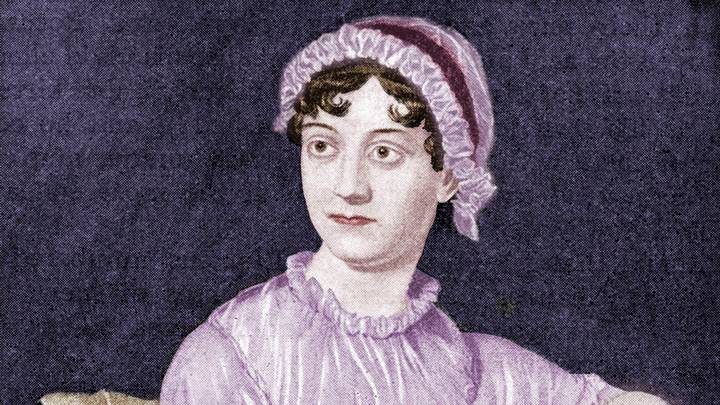
Jane Austen's first published novel was Sense and Sensibility, which was released in 1811 when she was 35 years old.
Published in three volumes, the book was an immediate success, with the first print run selling out and a second edition commissioned within two years of its initial publication. Critics and readers alike enjoyed the novel, and despite taking on much of the cost of printing and publication herself, Austen nevertheless made a tidy profit from it. "It has brought me £140," she wrote to her brother in 1813—money that gave her the financial stability and independence to continue her writing career.
She would go on to publish three more novels—Pride and Prejudice (1813), Mansfield Park (1814), and Emma (1815)—in her lifetime, with her final two completed works, Persuasion and Northanger Abbey, published posthumously in 1817, after her death at the age of 41. Only these final two titles revealed whose work the books were, however. The first editions of Persuasion and Northanger Abbey, whose publication was overseen by Austen's brother Henry, included a brief "biographical notice of the author," thought to have been written by Henry himself, which finally credited the novels to his late sister. The other four books remained anonymous, meaning that despite achieving considerable success and critical acclaim, Austen herself was never credited with her own novels during her lifetime.
The Trail of Pseudonyms

Sense and Sensibility, for instance, was merely credited to "A Lady." When Pride and Prejudice followed it two years later, its predecessor's success led to it being credited merely to "the Author of Sense and Sensibility." The same thing happened to Mansfield Park a year later, which was credited to "the author of Sense and Sensibility, and Pride and Prejudice." And with the titles and successes now stacking up, Austen's final novel Emma, in 1815, was said on its title page to have been written: "by the author of Pride and Prejudice, etc. etc."
Anonymity was nothing new for Austen, either. Long before Sense and Sensibility was published, back in 1803 she sold the rights to a novel entitled Susan (which would later become Northanger Abbey) to the publisher Richard Crosby for £10, using the pseudonym "Ashton Dennis." For unknown reasons, Crosby did not go through with publication, and so the novel, nor Austen's chosen pen name, never made it to print.
An Open Secret
So why did Austen seemingly choose to remain anonymous throughout her entire publishing life, despite her obvious later success and popularity? Well, the answer is thought to have had less to do with Austen actively choosing anonymity herself, and more to do with what would have been expected of a young woman in her position in her day.
Admittedly, Austen's personal opinions on anonymity are not recorded, so it may just be the case that she may just have preferred to live a quiet and private life rather than that of a famous author. But it has long been presumed that Austen likely chose not to reveal her real name in books because at that time literature was simply not considered a ladylike pursuit, nor an appropriate career for a woman. In the notoriously strait-laced times of Regency England, a woman putting self-made work out into the public market in return for cash drew too many unseemly parallels and had too many understandable connotations. With that in mind, it's worth noting that Austen was by no means alone among her female contemporaries in hiding her real identity; Mary Shelley's Frankenstein, the Brontë Sisters' novels, and the earlier works by Gothic novelist Ann Radcliffe were all likewise published anonymously.
Among Austen's family, however, the authorship of her novels was essentially an open secret, and her brothers at least are known to have spoken proudly to their friends and acquaintances of their sister's success. To the wider world, however, Austen remained an unknown—and sadly never lived to see her own name on the cover of one of her now immensely popular works.