%20%20--%3E%0A%3Csvg%20version%3D%221.1%22%20id%3D%22Layer_1%22%20xmlns%3D%22http%3A%2F%2Fwww.w3.org%2F2000%2Fsvg%22%20xmlns%3Axlink%3D%22http%3A%2F%2Fwww.w3.org%2F1999%2Fxlink%22%20x%3D%220px%22%20y%3D%220px%22%0A%09%20viewBox%3D%220%200%20684.6%2068.1%22%20style%3D%22enable-background%3Anew%200%200%20684.6%2068.1%3B%22%20xml%3Aspace%3D%22preserve%22%3E%0A%3Cg%3E%0A%09%3Cpath%20d%3D%22M444.1%2C29.3h-17.4v14.5h17.4V29.3z%20M36.4%2C68.1l29.3-50.8V0H50.4L32.9%2C36.8L15.5%2C0H0v68.1h16.7V45.8l12.4%2C22.3H36.4z%0A%09%09%20M49.1%2C68.1h16.6V23.4L49.1%2C52.1V68.1z%20M76.6%2C68.1h45V53.8H93.3V41.6h21V27.1h-21V14.8h28.3V0.1h-45V68.1z%20M175.6%2C68.1h17.3v-68%0A%09%09h-16.5v40.3L150%2C0.1h-17.6v68h16.7V27.7L175.6%2C68.1z%20M235.8%2C14.8h15.4V0.1h-47.4v14.7H219v53.2h16.8V14.8z%20M290.3%2C45.9h-17.1%0A%09%09l7.5-15.6h2L290.3%2C45.9z%20M298.7%2C68.1h18l-32.2-68h-5.7l-32%2C68h18l3.3-7.1h27.1L298.7%2C68.1z%20M325.2%2C68.1h46.2V53.8h-29.6V0.1h-16.7%0A%09%09V68.1z%20M423.7%2C14.8h27.2V0.1H407v68h16.7V14.8z%20M462%2C68.1h46.2V53.8h-29.6V0.1H462V68.1z%20M564.8%2C34.1c0%2C10.7-7.2%2C19.2-18.5%2C19.2%0A%09%09c-11.4%2C0-18.5-8.5-18.5-19.2s7.1-19.2%2C18.5-19.2C557.6%2C14.9%2C564.8%2C23.4%2C564.8%2C34.1%20M580.6%2C34.1c0-19-14.2-34-34.3-34%0A%09%09c-20.2%2C0-34.3%2C15-34.3%2C34c0%2C19%2C14.1%2C34%2C34.3%2C34C566.4%2C68.1%2C580.6%2C53.1%2C580.6%2C34.1%20M604.8%2C20.5c0-4.1%2C3.3-6.2%2C6.7-6.2%0A%09%09c4.4%2C0%2C6.6%2C3%2C6.6%2C6.6h14.7C631.8%2C9.1%2C625.1%2C0.1%2C611%2C0.1c-12%2C0-21.7%2C9.3-21.7%2C20.6c0%2C10.9%2C5.9%2C15.9%2C16.7%2C19.8%0A%09%09c5.2%2C1.8%2C11.5%2C3.2%2C11.5%2C8c0%2C3.3-2.4%2C5.5-6.4%2C5.5c-3.6%2C0-6.6-3-6.6-6.7h-15.2c0%2C11.5%2C7.9%2C20.8%2C21.8%2C20.8c12%2C0%2C21.6-9.3%2C21.6-20.6%0A%09%09c0-10-5.3-16.4-16.7-19.8C610.6%2C26.1%2C604.8%2C25.3%2C604.8%2C20.5%20M670%2C20.9h14.7C683.8%2C9.1%2C677.1%2C0.1%2C663%2C0.1c-12%2C0-21.7%2C9.3-21.7%2C20.6%0A%09%09c0%2C10.9%2C5.9%2C15.9%2C16.7%2C19.8c5.2%2C1.8%2C11.5%2C3.2%2C11.5%2C8c0%2C3.3-2.4%2C5.5-6.4%2C5.5c-3.6%2C0-6.6-3-6.6-6.7h-15.2c0%2C11.5%2C7.9%2C20.8%2C21.8%2C20.8%0A%09%09c12%2C0%2C21.6-9.3%2C21.6-20.6c0-10-5.3-16.4-16.7-19.8c-5.4-1.6-11.3-2.4-11.3-7.2c0-4.1%2C3.3-6.2%2C6.7-6.2C667.7%2C14.4%2C670%2C17.3%2C670%2C20.9%0A%09%09%22%2F%3E%0A%3C%2Fg%3E%0A%3C%2Fsvg%3E%0A)

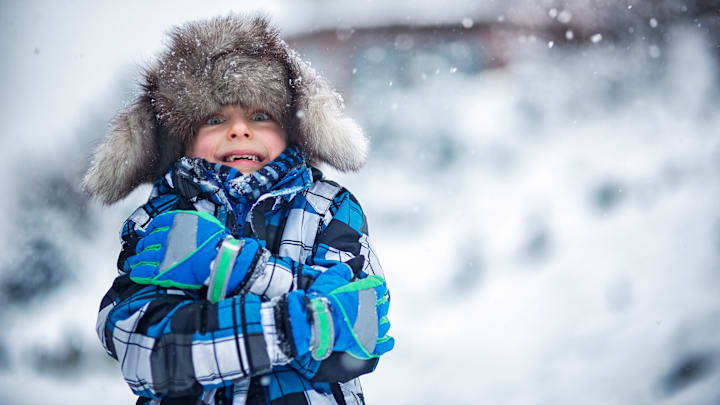
The first cold day of the season hits, and we all panic as if we’ve never seen a thermometer drop below freezing. Out comes the puffiest coat you own, the scarf you vaguely remember buying last winter, and whatever hat is closest to the door. Then, you step outside, ready to brace the cold, and within seconds, it's clear your winter weather fashion strategy is flawed.
Parts of you are frozen, parts of you are sweating, and none of it makes sense.
The problem isn't that winter is cruel (though it absolutely is); it's that most of us dress for the cold weather based on style and habit instead of logic. We rely on the same advice we've heard forever: layer up and zip up. But randomly throwing more fabric into the equation doesn't always help. In fact, it actually makes things worse.
Dressing for the cold is less about an abundance of layers and more about the content of those layers. Your body loses heat, and certain fabrics perform poorly in real-world conditions. Meanwhile, the small details you rarely think about, like what touches your skin, how your clothes fit, or which parts you leave exposed, are what matter most.
We also tend to dress for an unrealistic version of winter, one where we stand motionless outdoors like we’re frozen in a snow globe. When, in reality, we’re battling the wind, moving between buildings and transit, and constantly adjusting our layers.
Before you blame the weather for your sniffles or buy another coat you don't need, let's rethink how staying warm really works. Here are five cold-weather clothing hacks you can't afford to ignore this winter.
LAYER LIKE A PRO
Each layer serves a specific purpose and becomes essential when temperatures dip below comfortable. REI recommends wearing three layers to stay warm in sub-zero temperatures.
BASE LAYER
The first layer, your base layer, should keep your skin dry. Polyester and wool do a good job with insulation while also wicking away moisture. A classic rule of thumb for your base layer is the more snug, the better. This does not mean your clothes should be impossibly tight; they just need to sit close to your skin to help minimize moisture buildup.
The weight of your base layer will depend on the temperature and the intensity of your activity. If temperatures are below freezing and you know you won't be moving around much, opt for heavy fabrics. A mid-weight base layer is your smartest option if you are unsure how active you will be. And finally, if the temperature is milder, you should consider a lightweight fabric.
MIDDLE LAYER
Now that your skin is dry and you're well on your way to staying warm this winter, you need a middle layer that traps heat. Puffy jackets are great when temperatures are unbearable, as well as fleece fabric, as long as it’s heavy.
Duck or goose down provides excellent insulation, but it doesn’t perform well in damp conditions. If you anticipate contact with moisture, opt for a synthetic puffer. While it’s tricky to determine the ideal thickness of insulation for your middle layer (since it depends on your activity level and the weather), the puffier the jacket, the more warmth it will hold. The same rules apply to a well-insulated pair of pants.
We know the base layer keeps your skin dry, and the middle layer traps heat, but what is the main function of the outer layer?
OUTER LAYER
Weather can be fickle, and it's best to be prepared for any and all elements, especially when exposed to the cold. That's why your outer layer is so important. It's your armor against snow, rain, wind, and anything that could compromise the effectiveness of the layers beneath it.
Make sure your jacket is "waterproof" over "water resistant" as water-resistant options provide less protection against the rain. Ensuring your jacket is waterproof, wind-resistant, and breathable will help prevent moisture from your base layer from soaking through to your clothes, which can leave you feeling cold and damp.
When choosing shell pants to protect your legs from the cold, choose a pair that extends over the tops of your boots to keep your ankles dry.
Disclaimer: As tempting as it is reach for a stylish cotton hat, coat, undershirt, or socks, resist the urge. Cotton absorbs moisture and increases the risk of hypothermia.
EARS ARE ESSENTIAL

Why not just put on a trendy hat with a cute logo and call it a day? Because there's so much more to consider before you head out into the cold weather. Keeping your hair dry is on top of the list, so opt for wool or synthetic materials to keep your head warm and moisture-free. If it's snowing or raining, you can double up with a hood. If the elements are particularly brutal, consider an insulated hat created specifically for harsh conditions.
Regardless of the brand or style, make sure your hat covers your ears.
FROST-FREE FINGERS

It’s also crucial to consider your extremities when dressing for the cold. Fleece gloves will keep you warm if you don't plan on being outside for an extended time. If you're preparing for a specific winter activity, look for waterproof gloves with an insulated and breathable shell. While it's nice to be able to use your fingers, mittens will always be the warmer option in comparison to gloves.
TOASTY TOES

When your feet are cold, the rest of your body feels cold too. Regular boots can keep your feet warm in the winter, provided you steer clear of cotton socks and avoid wet or slushy conditions. If the weather is more trivial, you'll want to wear waterproof boots with insulation and traction to avoid any serious falls this winter.
If you’ve done everything right but your feet are still cold, consider getting foot warmers to put inside your boots.
FLAKE IT OFF

There isn't a one-size-fits-all winter outfit for every activity. The concept of three layers remains the same, but the content of those layers will vary depending on how much you move. For instance, layers for skiing and snowboarding should be thicker and offer more insulation than those you'd wear for a winter run.
Whatever your plans, pay attention to your body and adjust your layers accordingly. If you start sweating, take off a layer; if it’s raining and you’re getting wet, add a shell. Most importantly, make sure your base layer isn’t so tight that it makes the rest of your clothes feel restrictive.