%20%20--%3E%0A%3Csvg%20version%3D%221.1%22%20id%3D%22Layer_1%22%20xmlns%3D%22http%3A%2F%2Fwww.w3.org%2F2000%2Fsvg%22%20xmlns%3Axlink%3D%22http%3A%2F%2Fwww.w3.org%2F1999%2Fxlink%22%20x%3D%220px%22%20y%3D%220px%22%0A%09%20viewBox%3D%220%200%20684.6%2068.1%22%20style%3D%22enable-background%3Anew%200%200%20684.6%2068.1%3B%22%20xml%3Aspace%3D%22preserve%22%3E%0A%3Cg%3E%0A%09%3Cpath%20d%3D%22M444.1%2C29.3h-17.4v14.5h17.4V29.3z%20M36.4%2C68.1l29.3-50.8V0H50.4L32.9%2C36.8L15.5%2C0H0v68.1h16.7V45.8l12.4%2C22.3H36.4z%0A%09%09%20M49.1%2C68.1h16.6V23.4L49.1%2C52.1V68.1z%20M76.6%2C68.1h45V53.8H93.3V41.6h21V27.1h-21V14.8h28.3V0.1h-45V68.1z%20M175.6%2C68.1h17.3v-68%0A%09%09h-16.5v40.3L150%2C0.1h-17.6v68h16.7V27.7L175.6%2C68.1z%20M235.8%2C14.8h15.4V0.1h-47.4v14.7H219v53.2h16.8V14.8z%20M290.3%2C45.9h-17.1%0A%09%09l7.5-15.6h2L290.3%2C45.9z%20M298.7%2C68.1h18l-32.2-68h-5.7l-32%2C68h18l3.3-7.1h27.1L298.7%2C68.1z%20M325.2%2C68.1h46.2V53.8h-29.6V0.1h-16.7%0A%09%09V68.1z%20M423.7%2C14.8h27.2V0.1H407v68h16.7V14.8z%20M462%2C68.1h46.2V53.8h-29.6V0.1H462V68.1z%20M564.8%2C34.1c0%2C10.7-7.2%2C19.2-18.5%2C19.2%0A%09%09c-11.4%2C0-18.5-8.5-18.5-19.2s7.1-19.2%2C18.5-19.2C557.6%2C14.9%2C564.8%2C23.4%2C564.8%2C34.1%20M580.6%2C34.1c0-19-14.2-34-34.3-34%0A%09%09c-20.2%2C0-34.3%2C15-34.3%2C34c0%2C19%2C14.1%2C34%2C34.3%2C34C566.4%2C68.1%2C580.6%2C53.1%2C580.6%2C34.1%20M604.8%2C20.5c0-4.1%2C3.3-6.2%2C6.7-6.2%0A%09%09c4.4%2C0%2C6.6%2C3%2C6.6%2C6.6h14.7C631.8%2C9.1%2C625.1%2C0.1%2C611%2C0.1c-12%2C0-21.7%2C9.3-21.7%2C20.6c0%2C10.9%2C5.9%2C15.9%2C16.7%2C19.8%0A%09%09c5.2%2C1.8%2C11.5%2C3.2%2C11.5%2C8c0%2C3.3-2.4%2C5.5-6.4%2C5.5c-3.6%2C0-6.6-3-6.6-6.7h-15.2c0%2C11.5%2C7.9%2C20.8%2C21.8%2C20.8c12%2C0%2C21.6-9.3%2C21.6-20.6%0A%09%09c0-10-5.3-16.4-16.7-19.8C610.6%2C26.1%2C604.8%2C25.3%2C604.8%2C20.5%20M670%2C20.9h14.7C683.8%2C9.1%2C677.1%2C0.1%2C663%2C0.1c-12%2C0-21.7%2C9.3-21.7%2C20.6%0A%09%09c0%2C10.9%2C5.9%2C15.9%2C16.7%2C19.8c5.2%2C1.8%2C11.5%2C3.2%2C11.5%2C8c0%2C3.3-2.4%2C5.5-6.4%2C5.5c-3.6%2C0-6.6-3-6.6-6.7h-15.2c0%2C11.5%2C7.9%2C20.8%2C21.8%2C20.8%0A%09%09c12%2C0%2C21.6-9.3%2C21.6-20.6c0-10-5.3-16.4-16.7-19.8c-5.4-1.6-11.3-2.4-11.3-7.2c0-4.1%2C3.3-6.2%2C6.7-6.2C667.7%2C14.4%2C670%2C17.3%2C670%2C20.9%0A%09%09%22%2F%3E%0A%3C%2Fg%3E%0A%3C%2Fsvg%3E%0A)

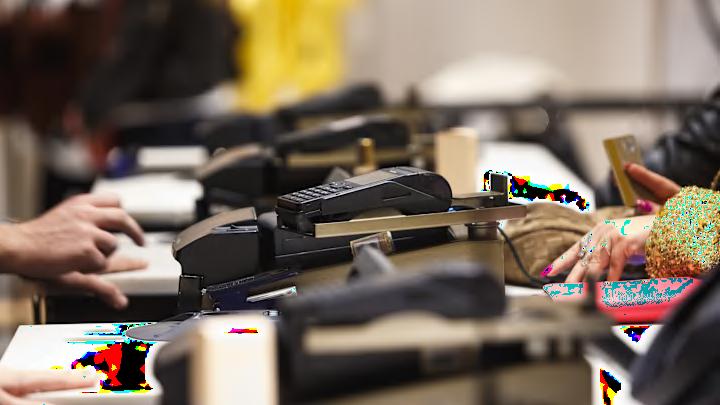
Picture this: You’re at a store intending to buy a very specific, singular product. You acquire the product and make it to the checkout line without grabbing anything else—only to arrive at the cashier carrying gum, headphones, a chocolate bar, and about ten other objects that wind up costing you far more than the item you originally came to buy.
If this story sounds a little too relatable, you’re not alone. Checkout line purchases have long been lucrative sources of income for many retailers, and one study found that Americans shelled out $6 billion for them in 2020.
It’s no surprise, then, that stores often intentionally design maze-like checkout lines that slowly ferry customers past a smorgasbord of products. "They can make the checkout really quick, allow you to check out right away," Ying Zhu, a marketing professor at the University of British Columbia, told CBC. “Instead, they make this maze to keep you in the store as long as possible.”
But why do these mazes work so well on us in the first place—and how do we resist their allure?
Why Are Checkout Line Purchases So Hard to Resist?

The mazes at checkout lines are so successful at getting us to buy things for a number of reasons. Firstly, checkout lines usually feature products that sit in extremely easy-to-spot and convenient locations, making it effortless for someone to reach over and grab them.
They’re often inexpensive and small enough to fit in a crowded cart or even in the palm of your hand, so our brains perceive the products as low-effort, inconsequential purchases that we can easily tack on to our hauls. Checkout line products are also often on sale, which can create a sense of urgency that makes us feel like we need to take advantage of the opportunity to buy them.
Checkout lines are excellent at taking advantage of customers’ boredom, frustration, awkwardness, or a combination of all three. Browsing products can be an easy way to avoid eye contact or conversation with your neighbor. Also, seeing someone in front of you buying something can play into our natural human tendency to imitate those around us, a habit called the chameleon effect.
Also, many of the products hawked in checkout lines are called hedonic products, a term that describes items solely intended to give people bursts of joy, such as candles, snacks, or hand creams. Appealing products like these can trigger a dopamine spike in our brains, fueling a subconscious drive called hedonic motivation that makes us want to fulfill our desires instantly.
Why Do We Impulse-Buy?

Almost everything bought on a checkout line falls into the category of an impulse buy, or something we buy without planning to. There are many reasons we make these purchases, and many marketers and store-owners have spent their lives trying to figure out exactly how to facilitate the perfect conditions for them to happen. That's for good reason—one study that stretched from the 1950s to 2012 found that impulse buys accounted for between 40 to 80% of shoppers’ total expenses.
People impulse-buy for many reasons, ranging from sales that create a sense of urgency to a belief that a product will relieve a negative emotion. Impulse buys are generally triggered by a desire for happiness or relief, and this desire can be exacerbated by negative emotions. If people are already stressed or tired, which—as many people waiting on long lines often are—they’re often more likely to grab a little something extra.
These purchases can also be influenced by nostalgia, our tendency to prefer to avoid losing out on a product rather than focusing on the gains of not buying something, or social pressure. We're also more likely to impulse-buy if we've seen advertisements that create subconscious connections between happiness and a certain product.
How Do We Avoid Impulse-Buying?

There’s nothing wrong with grabbing a little treat every now and then, but there are ways to put barriers against impulse buying in place if it’s becoming a problem.
First off, it's worth remembering that while products might seem appealing in a store, they rarely bring as much satisfaction as we think they will. Research has shown that while retail therapy might feel good in the moment, it rarely leads to lasting satisfaction. Of course, that's not to mention the very real impact excessive buying can have on our wallets.
It might be helpful to prepare for a shopping trip by making a list of the products you need and promising yourself you'll stick to it. Bringing a friend who will keep you accountable to your list or shopping intentions can also be useful. Additionally, it's a good idea to make sure you’re not extremely tired or hungry while shopping, as this can make you more susceptible to buying things you don’t need, particularly food.
It could also be helpful to implement a 24-hour waiting period before buying anything impulsively. This can often bring clarity that just isn’t available when that super-sized jasmine-scented candle is calling your name from the aisle, promising it’ll solve every one of your problems and offer up that long-awaited bliss…if you’ll only pull out your credit card.