%20%20--%3E%0A%3Csvg%20version%3D%221.1%22%20id%3D%22Layer_1%22%20xmlns%3D%22http%3A%2F%2Fwww.w3.org%2F2000%2Fsvg%22%20xmlns%3Axlink%3D%22http%3A%2F%2Fwww.w3.org%2F1999%2Fxlink%22%20x%3D%220px%22%20y%3D%220px%22%0A%09%20viewBox%3D%220%200%20684.6%2068.1%22%20style%3D%22enable-background%3Anew%200%200%20684.6%2068.1%3B%22%20xml%3Aspace%3D%22preserve%22%3E%0A%3Cg%3E%0A%09%3Cpath%20d%3D%22M444.1%2C29.3h-17.4v14.5h17.4V29.3z%20M36.4%2C68.1l29.3-50.8V0H50.4L32.9%2C36.8L15.5%2C0H0v68.1h16.7V45.8l12.4%2C22.3H36.4z%0A%09%09%20M49.1%2C68.1h16.6V23.4L49.1%2C52.1V68.1z%20M76.6%2C68.1h45V53.8H93.3V41.6h21V27.1h-21V14.8h28.3V0.1h-45V68.1z%20M175.6%2C68.1h17.3v-68%0A%09%09h-16.5v40.3L150%2C0.1h-17.6v68h16.7V27.7L175.6%2C68.1z%20M235.8%2C14.8h15.4V0.1h-47.4v14.7H219v53.2h16.8V14.8z%20M290.3%2C45.9h-17.1%0A%09%09l7.5-15.6h2L290.3%2C45.9z%20M298.7%2C68.1h18l-32.2-68h-5.7l-32%2C68h18l3.3-7.1h27.1L298.7%2C68.1z%20M325.2%2C68.1h46.2V53.8h-29.6V0.1h-16.7%0A%09%09V68.1z%20M423.7%2C14.8h27.2V0.1H407v68h16.7V14.8z%20M462%2C68.1h46.2V53.8h-29.6V0.1H462V68.1z%20M564.8%2C34.1c0%2C10.7-7.2%2C19.2-18.5%2C19.2%0A%09%09c-11.4%2C0-18.5-8.5-18.5-19.2s7.1-19.2%2C18.5-19.2C557.6%2C14.9%2C564.8%2C23.4%2C564.8%2C34.1%20M580.6%2C34.1c0-19-14.2-34-34.3-34%0A%09%09c-20.2%2C0-34.3%2C15-34.3%2C34c0%2C19%2C14.1%2C34%2C34.3%2C34C566.4%2C68.1%2C580.6%2C53.1%2C580.6%2C34.1%20M604.8%2C20.5c0-4.1%2C3.3-6.2%2C6.7-6.2%0A%09%09c4.4%2C0%2C6.6%2C3%2C6.6%2C6.6h14.7C631.8%2C9.1%2C625.1%2C0.1%2C611%2C0.1c-12%2C0-21.7%2C9.3-21.7%2C20.6c0%2C10.9%2C5.9%2C15.9%2C16.7%2C19.8%0A%09%09c5.2%2C1.8%2C11.5%2C3.2%2C11.5%2C8c0%2C3.3-2.4%2C5.5-6.4%2C5.5c-3.6%2C0-6.6-3-6.6-6.7h-15.2c0%2C11.5%2C7.9%2C20.8%2C21.8%2C20.8c12%2C0%2C21.6-9.3%2C21.6-20.6%0A%09%09c0-10-5.3-16.4-16.7-19.8C610.6%2C26.1%2C604.8%2C25.3%2C604.8%2C20.5%20M670%2C20.9h14.7C683.8%2C9.1%2C677.1%2C0.1%2C663%2C0.1c-12%2C0-21.7%2C9.3-21.7%2C20.6%0A%09%09c0%2C10.9%2C5.9%2C15.9%2C16.7%2C19.8c5.2%2C1.8%2C11.5%2C3.2%2C11.5%2C8c0%2C3.3-2.4%2C5.5-6.4%2C5.5c-3.6%2C0-6.6-3-6.6-6.7h-15.2c0%2C11.5%2C7.9%2C20.8%2C21.8%2C20.8%0A%09%09c12%2C0%2C21.6-9.3%2C21.6-20.6c0-10-5.3-16.4-16.7-19.8c-5.4-1.6-11.3-2.4-11.3-7.2c0-4.1%2C3.3-6.2%2C6.7-6.2C667.7%2C14.4%2C670%2C17.3%2C670%2C20.9%0A%09%09%22%2F%3E%0A%3C%2Fg%3E%0A%3C%2Fsvg%3E%0A)

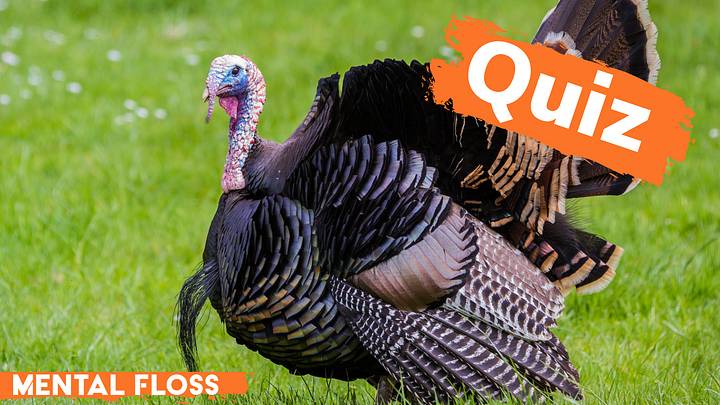
Thanksgiving is fast approaching in the United States, which means that roughly 45 to 46 million turkeys will become dinner on this one holiday alone. But turkeys exist all over the world, not just in America. Which countries in the world boast the biggest turkey populations of them all? Test your knowledge of turkeys around the world with this quiz, and then read on to discover some more interesting facts about this feathered creature.
Assorted turkey facts

Turkeys are a part of the genus Meleagris, which consists of two species: Meleagris gallopavo, or the wild turkey, and Meleagris ocellata, or the ocellated turkey. The former group of wild turkeys is found in North America and consists of six subspecies. Ocellated turkeys call Central America home.
Turkeys likely take their names from the country of Turkey (which has formally changed its name to Türkiye, largely in an effort to remove its association with the bird). Male turkeys generally weigh around 25 pounds, while females typically weigh around half that. Wild turkeys have been known to fly up to 60 miles per hour and possess excellent vision, which is up to three times sharper than 20/20. Wild turkeys typically live 3 to 5 years in the wild, though commercially bred turkeys are typically slaughtered at four to six months old. They can, however, live up to 10 years in captivity if kept in a protected environment.
Turkeys in America

Most of the turkeys that Americans eat at Thanksgiving are farm-bred turkeys, which are raised to be too heavy to fly. The United States’ wild turkey population fell drastically between the 1800s and 1930s, leading to strict hunting regulations and programs that moved turkeys to safe habitats. Today, the United States alone has over 200 million farm-raised turkeys and around 6.7 million wild turkeys—by far the largest turkey population of any nation in the world.
There’s no evidence that turkeys were eaten at the first Thanksgiving in America, though wild fowl may have been served. Thanksgiving itself did not become a national holiday until the 19th century, though it was occasionally celebrated prior to that. Instead, turkeys likely became a cornerstone of Thanksgiving dinner for a more logistics-based reason: the birds were both economical and plentiful, able to feed a whole family without breaking the bank.
Charles Dickens helped cement turkeys’ association with holiday meals in A Christmas Carol, and author Sara Josepha Hale’s 1827 novel Northwood featured a chapter about Thanksgiving dinner that specifically mentioned a roasted turkey. After Thanksgiving became an official holiday in 1863, turkeys quickly became official parts of Thanksgiving lore.