%20%20--%3E%0A%3Csvg%20version%3D%221.1%22%20id%3D%22Layer_1%22%20xmlns%3D%22http%3A%2F%2Fwww.w3.org%2F2000%2Fsvg%22%20xmlns%3Axlink%3D%22http%3A%2F%2Fwww.w3.org%2F1999%2Fxlink%22%20x%3D%220px%22%20y%3D%220px%22%0A%09%20viewBox%3D%220%200%20684.6%2068.1%22%20style%3D%22enable-background%3Anew%200%200%20684.6%2068.1%3B%22%20xml%3Aspace%3D%22preserve%22%3E%0A%3Cg%3E%0A%09%3Cpath%20d%3D%22M444.1%2C29.3h-17.4v14.5h17.4V29.3z%20M36.4%2C68.1l29.3-50.8V0H50.4L32.9%2C36.8L15.5%2C0H0v68.1h16.7V45.8l12.4%2C22.3H36.4z%0A%09%09%20M49.1%2C68.1h16.6V23.4L49.1%2C52.1V68.1z%20M76.6%2C68.1h45V53.8H93.3V41.6h21V27.1h-21V14.8h28.3V0.1h-45V68.1z%20M175.6%2C68.1h17.3v-68%0A%09%09h-16.5v40.3L150%2C0.1h-17.6v68h16.7V27.7L175.6%2C68.1z%20M235.8%2C14.8h15.4V0.1h-47.4v14.7H219v53.2h16.8V14.8z%20M290.3%2C45.9h-17.1%0A%09%09l7.5-15.6h2L290.3%2C45.9z%20M298.7%2C68.1h18l-32.2-68h-5.7l-32%2C68h18l3.3-7.1h27.1L298.7%2C68.1z%20M325.2%2C68.1h46.2V53.8h-29.6V0.1h-16.7%0A%09%09V68.1z%20M423.7%2C14.8h27.2V0.1H407v68h16.7V14.8z%20M462%2C68.1h46.2V53.8h-29.6V0.1H462V68.1z%20M564.8%2C34.1c0%2C10.7-7.2%2C19.2-18.5%2C19.2%0A%09%09c-11.4%2C0-18.5-8.5-18.5-19.2s7.1-19.2%2C18.5-19.2C557.6%2C14.9%2C564.8%2C23.4%2C564.8%2C34.1%20M580.6%2C34.1c0-19-14.2-34-34.3-34%0A%09%09c-20.2%2C0-34.3%2C15-34.3%2C34c0%2C19%2C14.1%2C34%2C34.3%2C34C566.4%2C68.1%2C580.6%2C53.1%2C580.6%2C34.1%20M604.8%2C20.5c0-4.1%2C3.3-6.2%2C6.7-6.2%0A%09%09c4.4%2C0%2C6.6%2C3%2C6.6%2C6.6h14.7C631.8%2C9.1%2C625.1%2C0.1%2C611%2C0.1c-12%2C0-21.7%2C9.3-21.7%2C20.6c0%2C10.9%2C5.9%2C15.9%2C16.7%2C19.8%0A%09%09c5.2%2C1.8%2C11.5%2C3.2%2C11.5%2C8c0%2C3.3-2.4%2C5.5-6.4%2C5.5c-3.6%2C0-6.6-3-6.6-6.7h-15.2c0%2C11.5%2C7.9%2C20.8%2C21.8%2C20.8c12%2C0%2C21.6-9.3%2C21.6-20.6%0A%09%09c0-10-5.3-16.4-16.7-19.8C610.6%2C26.1%2C604.8%2C25.3%2C604.8%2C20.5%20M670%2C20.9h14.7C683.8%2C9.1%2C677.1%2C0.1%2C663%2C0.1c-12%2C0-21.7%2C9.3-21.7%2C20.6%0A%09%09c0%2C10.9%2C5.9%2C15.9%2C16.7%2C19.8c5.2%2C1.8%2C11.5%2C3.2%2C11.5%2C8c0%2C3.3-2.4%2C5.5-6.4%2C5.5c-3.6%2C0-6.6-3-6.6-6.7h-15.2c0%2C11.5%2C7.9%2C20.8%2C21.8%2C20.8%0A%09%09c12%2C0%2C21.6-9.3%2C21.6-20.6c0-10-5.3-16.4-16.7-19.8c-5.4-1.6-11.3-2.4-11.3-7.2c0-4.1%2C3.3-6.2%2C6.7-6.2C667.7%2C14.4%2C670%2C17.3%2C670%2C20.9%0A%09%09%22%2F%3E%0A%3C%2Fg%3E%0A%3C%2Fsvg%3E%0A)

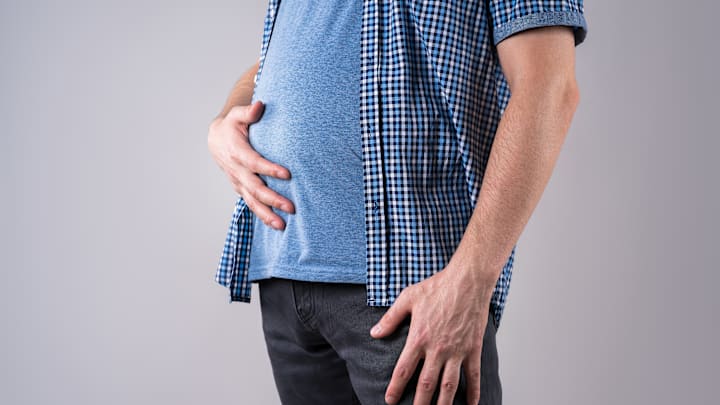
Let’s start with a common misconception: bloating isn’t simply “feeling fat” after a carb-heavy meal. It’s more than eating a giant burrito, feeling stuffed, and vowing to “never eat again.” You’re not sick, and nothing specifically hurts, but your stomach feels uncomfortably tight and stretched (like you suddenly need to unbutton your jeans).
According to the Cleveland Clinic, bloating isn’t about gaining weight or eating a single “bad” food. It’s a disturbing sensation of pressure and fullness in the abdomen, sometimes accompanied by visible swelling. Some blame it on gas, while others insist they gain five pounds after every meal.
Everyone experiences occasional bloating, even healthy people. Women are especially prone due to hormonal changes. The frustrating part is how random bloating can feel, but in reality, a few gut suspects contribute to this uncomfortable feeling.
So, what's really happening inside your gut when your stomach inflates like a ballon? Let's break it down.
GAS AND GUT BACTERIA

When people attribute bloating to gas, they’re technically correct, just not for the reasons they might assume. Most of the gas responsible for bloating isn’t from swallowed air; it’s produced in your intestines as gut bacteria break down carbohydrates your body hasn’t fully digested.
Not all carbohydrates are absorbed in the small intestine. When they pass through undigested, bacteria in the large intestine ferment them, producing gas. This gas builds up, stretches the intestinal walls, and creates the unmistakable annoyance of bloating.
Eating too quickly, overeating, or choosing foods that are harder to digest increases the likelihood that more carbohydrates reach the large intestine for fermentation. If bacteria begin to grow where they shouldn’t (in small intestinal bacterial overgrowth, for example), gas is produced earlier, and the bloating feels more intense.
The gas itself isn't abnormal. The amount, location, and speed of formation are what make bloating noticeable.
DIGESTION AND CONSTIPATION

Compare your digestive tract to a conveyor belt. When everything is moving slowly, you barely notice it. When it slows down entirely, things start to pile up, and bloating follows.
Constipation is one of the most common causes of bloating. When stool remains in the colon for an extended period, gas and other digestive contents create a buildup of pressure. As the intestines stretch to accommodate the extra volume, you experience a sensation of fullness.
Other issues slow digestion as well. Some people have conditions that affect the muscles or nerves responsible for moving food through the digestive tract. Others experience delayed stomach emptying, and food remains for an unusually long time. This is why even small meals leave you feeling overly full.
Basically, bloating isn’t always about eating too much; it can also depend on the pace at which your body digests food.
HORMONE FLUCTUATION

Bloating isn’t only determined by what’s happening in your gut; it’s also influenced by how your body perceives it. Hormonal changes, especially shifts in estrogen and progesterone, can affect digestion and fluid balance. That's why women notice bloating before their period.
There's also something called "visceral hypersensitivity." This means your digestive system is sensitive to normal amounts of gas or intestinal stretching. The volume inside your intestines may be typical, but your nervous system interprets it as unpleasant.
That's why bloating can feel intense even when nothing out of the ordinary is happening structurally.
SIMPLE FIXES
The Cleveland Clinic suggests several practical ways to reduce bloating, depending on the cause. Experts recommend eating more slowly, choosing smaller portions, keeping track of foods that have triggered bloating in the past, staying active, addressing constipation, and consulting a doctor if symptoms persist.
BLOATING BE GONE

Bloating results from a mix of factors, including gas buildup, slowed digestion, hormonal changes, and heightened sensitivity.
Overall, bloating tends to be a short-term issue, even for those in good health. However, if it persists, becomes severe, or is accompanied by symptoms like vomiting, fever, or unexplained weight loss, it’s wise to reach out to a healthcare professional or explore alternative natural remedies.
Bloating isn’t a riddle begging to be solved. It’s your digestive system responding to changes in timing, movement, and environment. Understanding what’s happening in your gut can make the discomfort seem less overwhelming and more manageable.