%20%20--%3E%0A%3Csvg%20version%3D%221.1%22%20id%3D%22Layer_1%22%20xmlns%3D%22http%3A%2F%2Fwww.w3.org%2F2000%2Fsvg%22%20xmlns%3Axlink%3D%22http%3A%2F%2Fwww.w3.org%2F1999%2Fxlink%22%20x%3D%220px%22%20y%3D%220px%22%0A%09%20viewBox%3D%220%200%20684.6%2068.1%22%20style%3D%22enable-background%3Anew%200%200%20684.6%2068.1%3B%22%20xml%3Aspace%3D%22preserve%22%3E%0A%3Cg%3E%0A%09%3Cpath%20d%3D%22M444.1%2C29.3h-17.4v14.5h17.4V29.3z%20M36.4%2C68.1l29.3-50.8V0H50.4L32.9%2C36.8L15.5%2C0H0v68.1h16.7V45.8l12.4%2C22.3H36.4z%0A%09%09%20M49.1%2C68.1h16.6V23.4L49.1%2C52.1V68.1z%20M76.6%2C68.1h45V53.8H93.3V41.6h21V27.1h-21V14.8h28.3V0.1h-45V68.1z%20M175.6%2C68.1h17.3v-68%0A%09%09h-16.5v40.3L150%2C0.1h-17.6v68h16.7V27.7L175.6%2C68.1z%20M235.8%2C14.8h15.4V0.1h-47.4v14.7H219v53.2h16.8V14.8z%20M290.3%2C45.9h-17.1%0A%09%09l7.5-15.6h2L290.3%2C45.9z%20M298.7%2C68.1h18l-32.2-68h-5.7l-32%2C68h18l3.3-7.1h27.1L298.7%2C68.1z%20M325.2%2C68.1h46.2V53.8h-29.6V0.1h-16.7%0A%09%09V68.1z%20M423.7%2C14.8h27.2V0.1H407v68h16.7V14.8z%20M462%2C68.1h46.2V53.8h-29.6V0.1H462V68.1z%20M564.8%2C34.1c0%2C10.7-7.2%2C19.2-18.5%2C19.2%0A%09%09c-11.4%2C0-18.5-8.5-18.5-19.2s7.1-19.2%2C18.5-19.2C557.6%2C14.9%2C564.8%2C23.4%2C564.8%2C34.1%20M580.6%2C34.1c0-19-14.2-34-34.3-34%0A%09%09c-20.2%2C0-34.3%2C15-34.3%2C34c0%2C19%2C14.1%2C34%2C34.3%2C34C566.4%2C68.1%2C580.6%2C53.1%2C580.6%2C34.1%20M604.8%2C20.5c0-4.1%2C3.3-6.2%2C6.7-6.2%0A%09%09c4.4%2C0%2C6.6%2C3%2C6.6%2C6.6h14.7C631.8%2C9.1%2C625.1%2C0.1%2C611%2C0.1c-12%2C0-21.7%2C9.3-21.7%2C20.6c0%2C10.9%2C5.9%2C15.9%2C16.7%2C19.8%0A%09%09c5.2%2C1.8%2C11.5%2C3.2%2C11.5%2C8c0%2C3.3-2.4%2C5.5-6.4%2C5.5c-3.6%2C0-6.6-3-6.6-6.7h-15.2c0%2C11.5%2C7.9%2C20.8%2C21.8%2C20.8c12%2C0%2C21.6-9.3%2C21.6-20.6%0A%09%09c0-10-5.3-16.4-16.7-19.8C610.6%2C26.1%2C604.8%2C25.3%2C604.8%2C20.5%20M670%2C20.9h14.7C683.8%2C9.1%2C677.1%2C0.1%2C663%2C0.1c-12%2C0-21.7%2C9.3-21.7%2C20.6%0A%09%09c0%2C10.9%2C5.9%2C15.9%2C16.7%2C19.8c5.2%2C1.8%2C11.5%2C3.2%2C11.5%2C8c0%2C3.3-2.4%2C5.5-6.4%2C5.5c-3.6%2C0-6.6-3-6.6-6.7h-15.2c0%2C11.5%2C7.9%2C20.8%2C21.8%2C20.8%0A%09%09c12%2C0%2C21.6-9.3%2C21.6-20.6c0-10-5.3-16.4-16.7-19.8c-5.4-1.6-11.3-2.4-11.3-7.2c0-4.1%2C3.3-6.2%2C6.7-6.2C667.7%2C14.4%2C670%2C17.3%2C670%2C20.9%0A%09%09%22%2F%3E%0A%3C%2Fg%3E%0A%3C%2Fsvg%3E%0A)

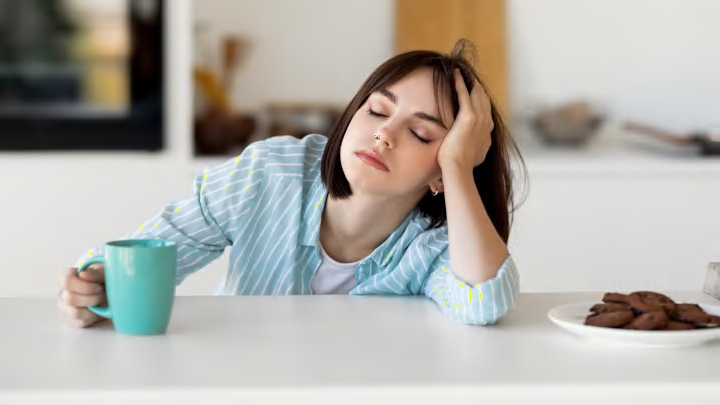
Have you ever finished a meal that was meant to fuel you, and instead felt like your brain hit the snooze button? You're not imagining it and you're not alone. That post-meal grogginess actually has a name: postprandial somnolence, otherwise known as the food coma. According to the Sleep Foundation, while this phenomenon is less than ideal, it's a completely normal thing to experience after eating, especially when consuming carb-rich foods.
Let's unpack the surprisingly scientific and very relatable reasons behind this recurring slump.
CARBS WITH A SIDE OF CARBS

When you eat carbs, including but not limited to bread, pasta, and sweets, your blood sugar spikes and gives your body a quick dose of energy. This signals your pancreas to release insulin, which moves sugar from your blood to your cells. Sounds helpful, right? Well, sometimes, insulin overacts, causing your blood sugar to dip too low. That drop tells your brain, "Slow down!" which is what makes you feel sleepy after a meal. As outlined by the American Diabetes Association, fluctuations in post-meal blood sugar are a major reason people feel so tired after eating.
In short: carbs give you a boost, but your body's sugar-regulating system can turn that boost into a food coma. Think of it as a caffeine crash caused by a sandwich.
1+1= A MID-DAY NAP

A healthy serving of carbs and protein, like eggs and toast, chicken and rice, is all it takes to set this process in motion. According to the National Library of Medicine, there are three key components to understanding this pattern: tryptophan, serotonin, and melatonin. Tryptophan, found in protein-rich foods, is an amino acid the body uses to produce serotonin, a neurotransmitter linked to relaxation and mood regulation, and melatonin, which helps control our sleep.
After a carb-heavy meal, insulin helps clear out other amino acids in the bloodstream, paving the way for tryptophan to travel to the brain. Once tryptophan arrives, your serotonin levels rise and propel your nervous system into a state of calmness. This reaction explains why meals with carbs and proteins induce naps.
THE TRUE MEANING OF 'REST AND DIGEST'

Eating activates your parasympathetic nervous system, which allows your body to focus on digestion. The Cleveland Clinic reported that this shift naturally lowers alertness and promotes relaxation while digestion takes place. It's like your body asking your brain to take a breather while it handles the hard work.
Speaking of digestion, the larger a meal is (especially one high in fat and carbs), the more energy it takes to digest, causing a heightened hormonal response, as recorded by sleep and cognition experts. That extra digestive workload often translates to increased levels of sleepiness.
IT'S NOT YOU, IT'S YOUR INTERNAL CLOCK

Even if you consumed the most balanced meal in the world, your internal clock could still turn on you. Most people experience a natural dip in energy in the early afternoon, which has nothing to do with blood sugar and everything to do with circadian rhythm. Data reveals that eating during this slump can make a food coma feel even more intense.
TIPS TO END THE CYCLE

Health professionals suggest eating smaller, balanced meals comprised of protein, fiber, and healthy fats, staying hydrated, prioritizing a nighttime wellness routine, and taking a post-meal walk to avoid experiencing a food coma. Healthline assures that implementing these small changes can make a substantial difference in reducing food-related fatigue.
FOOD FOR THOUGHT

That nagging sleepy feeling you get after eating isn't laziness, it’s science. Hormones, blood sugar, digestion, and your internal clock join forces to make a mid-day nap seem extra appealing. While this reaction is normal, if post-meal fatigue feels extreme or happens regardless of what you eat, bring your symptoms to the attention of a healthcare provider.
In the meantime, enjoy your food! Just don't be surprised when your brain tells you to count sheep at 2:00 p.m.