%20%20--%3E%0A%3Csvg%20version%3D%221.1%22%20id%3D%22Layer_1%22%20xmlns%3D%22http%3A%2F%2Fwww.w3.org%2F2000%2Fsvg%22%20xmlns%3Axlink%3D%22http%3A%2F%2Fwww.w3.org%2F1999%2Fxlink%22%20x%3D%220px%22%20y%3D%220px%22%0A%09%20viewBox%3D%220%200%20684.6%2068.1%22%20style%3D%22enable-background%3Anew%200%200%20684.6%2068.1%3B%22%20xml%3Aspace%3D%22preserve%22%3E%0A%3Cg%3E%0A%09%3Cpath%20d%3D%22M444.1%2C29.3h-17.4v14.5h17.4V29.3z%20M36.4%2C68.1l29.3-50.8V0H50.4L32.9%2C36.8L15.5%2C0H0v68.1h16.7V45.8l12.4%2C22.3H36.4z%0A%09%09%20M49.1%2C68.1h16.6V23.4L49.1%2C52.1V68.1z%20M76.6%2C68.1h45V53.8H93.3V41.6h21V27.1h-21V14.8h28.3V0.1h-45V68.1z%20M175.6%2C68.1h17.3v-68%0A%09%09h-16.5v40.3L150%2C0.1h-17.6v68h16.7V27.7L175.6%2C68.1z%20M235.8%2C14.8h15.4V0.1h-47.4v14.7H219v53.2h16.8V14.8z%20M290.3%2C45.9h-17.1%0A%09%09l7.5-15.6h2L290.3%2C45.9z%20M298.7%2C68.1h18l-32.2-68h-5.7l-32%2C68h18l3.3-7.1h27.1L298.7%2C68.1z%20M325.2%2C68.1h46.2V53.8h-29.6V0.1h-16.7%0A%09%09V68.1z%20M423.7%2C14.8h27.2V0.1H407v68h16.7V14.8z%20M462%2C68.1h46.2V53.8h-29.6V0.1H462V68.1z%20M564.8%2C34.1c0%2C10.7-7.2%2C19.2-18.5%2C19.2%0A%09%09c-11.4%2C0-18.5-8.5-18.5-19.2s7.1-19.2%2C18.5-19.2C557.6%2C14.9%2C564.8%2C23.4%2C564.8%2C34.1%20M580.6%2C34.1c0-19-14.2-34-34.3-34%0A%09%09c-20.2%2C0-34.3%2C15-34.3%2C34c0%2C19%2C14.1%2C34%2C34.3%2C34C566.4%2C68.1%2C580.6%2C53.1%2C580.6%2C34.1%20M604.8%2C20.5c0-4.1%2C3.3-6.2%2C6.7-6.2%0A%09%09c4.4%2C0%2C6.6%2C3%2C6.6%2C6.6h14.7C631.8%2C9.1%2C625.1%2C0.1%2C611%2C0.1c-12%2C0-21.7%2C9.3-21.7%2C20.6c0%2C10.9%2C5.9%2C15.9%2C16.7%2C19.8%0A%09%09c5.2%2C1.8%2C11.5%2C3.2%2C11.5%2C8c0%2C3.3-2.4%2C5.5-6.4%2C5.5c-3.6%2C0-6.6-3-6.6-6.7h-15.2c0%2C11.5%2C7.9%2C20.8%2C21.8%2C20.8c12%2C0%2C21.6-9.3%2C21.6-20.6%0A%09%09c0-10-5.3-16.4-16.7-19.8C610.6%2C26.1%2C604.8%2C25.3%2C604.8%2C20.5%20M670%2C20.9h14.7C683.8%2C9.1%2C677.1%2C0.1%2C663%2C0.1c-12%2C0-21.7%2C9.3-21.7%2C20.6%0A%09%09c0%2C10.9%2C5.9%2C15.9%2C16.7%2C19.8c5.2%2C1.8%2C11.5%2C3.2%2C11.5%2C8c0%2C3.3-2.4%2C5.5-6.4%2C5.5c-3.6%2C0-6.6-3-6.6-6.7h-15.2c0%2C11.5%2C7.9%2C20.8%2C21.8%2C20.8%0A%09%09c12%2C0%2C21.6-9.3%2C21.6-20.6c0-10-5.3-16.4-16.7-19.8c-5.4-1.6-11.3-2.4-11.3-7.2c0-4.1%2C3.3-6.2%2C6.7-6.2C667.7%2C14.4%2C670%2C17.3%2C670%2C20.9%0A%09%09%22%2F%3E%0A%3C%2Fg%3E%0A%3C%2Fsvg%3E%0A)

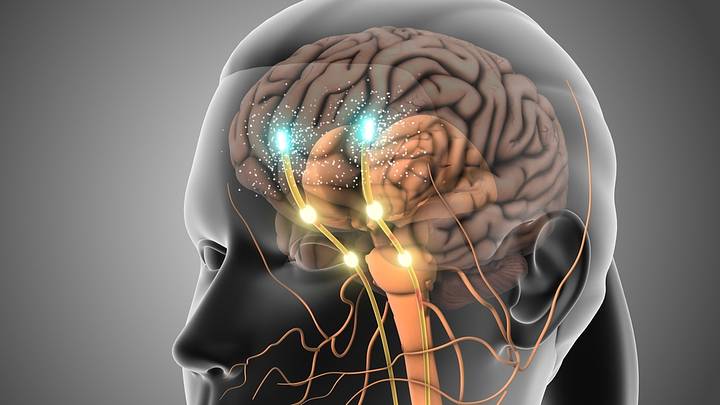
If you live in Silicon Valley—or are active on social media—you’ve probably heard of the term “dopamine fasting.” Basically, it’s a trend where you try to avoid external stimuli like phones and computer screens for a certain period of time.
Proponents claim that dopamine fasting can “reboot” your brain, reduce stress and fatigue, and improve your ability to appreciate and derive pleasure from ordinary activities, among other benefits. Critics, meanwhile, warn that the science behind the trend is poorly understood, and the practice may endanger those who engage with it.
Contrary to popular belief, dopamine fasting did not originate on the internet. It was originally developed in 2016 by Californian psychiatrist Cameron Sepah to help people manage addictive and compulsive behaviors like gambling and compulsive eating, which neuroscience has long shown are closely linked to dopamine receptors.
Why Dopamine Fast?

Nowadays, most people turn to dopamine fasting for reasons related to productivity and self-improvement. An offshoot of the digital detox, it’s often used to cut back on social media consumption.
However, some people try to avoid other external stimuli as well. An article published by the BBC follows one Silicon Valley resident who—in addition to putting away all of their devices—also refrains from eating, drinking (except water), social interaction, and eye contact.
For these individuals, dopamine fasting is akin to lying in a sensory deprivation tank. The goal is not just to do away with unwanted distraction, but to minimize sensory input and mental output as much as possible.
As one research article puts it, dopamine fasting “aims at reducing dependence on instant satisfaction gratification and overstimulation to attain mental clarity, lessen anxiety, and be able to enjoy everyday events again.” But does any of this actually work?
The Truth About Dopamine Fasting

Writing for Harvard Health, Peter Grinspoon, MD argues that the concept of dopamine fasting fundamentally misunderstands the role dopamine plays in our bodies. “People,” he notes, “are viewing dopamine as if it was heroin or cocaine, and are fasting in the sense of giving themselves a ‘tolerance break’ so that the pleasures of whatever they are depriving themselves of—food, sex, human contact—will be more intense or vivid when consumed again.”
Many proponents of dopamine fasting are under the false impression that they can reset their dopamine levels. In truth, as Grinspoon summarizes, “you can’t ‘fast’ from a naturally occurring brain chemical.” Although it is true that dopamine rises “in response to rewards or pleasurable activities, it doesn’t actually decrease when you avoid overstimulating activities.”
According to the aforementioned research article, results on unsupervised, uninformed dopamine fasting are mixed. While some studies show reduced “impulsive behaviors, increased focus on tasks, and reduced overwhelm,” others point in the opposite direction, suggesting that “extreme forms of dopamine fasting can lead to feelings of loneliness, anxiety, and malnutrition,” all of which impact both our mental and physical health.
As Grinspoon notes, Sepah himself has pushed back against the trend and has recommended people to experiment with dopamine fasting in a way that’s “minimally disruptive” to their lifestyles. Instead of cutting back on all stimuli for an extended period of time, he suggests, it’s a good idea to cut back on some for a few hours.
According to him, dopamine fasting is not about reducing dopamine levels, but reducing impulsive behavior. It’s not about avoiding all stimulation, but rather about focusing on addressing behaviors that are problematic to the individual.
Instead of avoiding social interaction or exercise, Sepah clarifies, proper dopamine fasting “encourages values-aligned health behaviors.” In short, dopamine fasting is not about not doing less, it’s about doing things more consciously and responsibly.