%20%20--%3E%0A%3Csvg%20version%3D%221.1%22%20id%3D%22Layer_1%22%20xmlns%3D%22http%3A%2F%2Fwww.w3.org%2F2000%2Fsvg%22%20xmlns%3Axlink%3D%22http%3A%2F%2Fwww.w3.org%2F1999%2Fxlink%22%20x%3D%220px%22%20y%3D%220px%22%0A%09%20viewBox%3D%220%200%20684.6%2068.1%22%20style%3D%22enable-background%3Anew%200%200%20684.6%2068.1%3B%22%20xml%3Aspace%3D%22preserve%22%3E%0A%3Cg%3E%0A%09%3Cpath%20d%3D%22M444.1%2C29.3h-17.4v14.5h17.4V29.3z%20M36.4%2C68.1l29.3-50.8V0H50.4L32.9%2C36.8L15.5%2C0H0v68.1h16.7V45.8l12.4%2C22.3H36.4z%0A%09%09%20M49.1%2C68.1h16.6V23.4L49.1%2C52.1V68.1z%20M76.6%2C68.1h45V53.8H93.3V41.6h21V27.1h-21V14.8h28.3V0.1h-45V68.1z%20M175.6%2C68.1h17.3v-68%0A%09%09h-16.5v40.3L150%2C0.1h-17.6v68h16.7V27.7L175.6%2C68.1z%20M235.8%2C14.8h15.4V0.1h-47.4v14.7H219v53.2h16.8V14.8z%20M290.3%2C45.9h-17.1%0A%09%09l7.5-15.6h2L290.3%2C45.9z%20M298.7%2C68.1h18l-32.2-68h-5.7l-32%2C68h18l3.3-7.1h27.1L298.7%2C68.1z%20M325.2%2C68.1h46.2V53.8h-29.6V0.1h-16.7%0A%09%09V68.1z%20M423.7%2C14.8h27.2V0.1H407v68h16.7V14.8z%20M462%2C68.1h46.2V53.8h-29.6V0.1H462V68.1z%20M564.8%2C34.1c0%2C10.7-7.2%2C19.2-18.5%2C19.2%0A%09%09c-11.4%2C0-18.5-8.5-18.5-19.2s7.1-19.2%2C18.5-19.2C557.6%2C14.9%2C564.8%2C23.4%2C564.8%2C34.1%20M580.6%2C34.1c0-19-14.2-34-34.3-34%0A%09%09c-20.2%2C0-34.3%2C15-34.3%2C34c0%2C19%2C14.1%2C34%2C34.3%2C34C566.4%2C68.1%2C580.6%2C53.1%2C580.6%2C34.1%20M604.8%2C20.5c0-4.1%2C3.3-6.2%2C6.7-6.2%0A%09%09c4.4%2C0%2C6.6%2C3%2C6.6%2C6.6h14.7C631.8%2C9.1%2C625.1%2C0.1%2C611%2C0.1c-12%2C0-21.7%2C9.3-21.7%2C20.6c0%2C10.9%2C5.9%2C15.9%2C16.7%2C19.8%0A%09%09c5.2%2C1.8%2C11.5%2C3.2%2C11.5%2C8c0%2C3.3-2.4%2C5.5-6.4%2C5.5c-3.6%2C0-6.6-3-6.6-6.7h-15.2c0%2C11.5%2C7.9%2C20.8%2C21.8%2C20.8c12%2C0%2C21.6-9.3%2C21.6-20.6%0A%09%09c0-10-5.3-16.4-16.7-19.8C610.6%2C26.1%2C604.8%2C25.3%2C604.8%2C20.5%20M670%2C20.9h14.7C683.8%2C9.1%2C677.1%2C0.1%2C663%2C0.1c-12%2C0-21.7%2C9.3-21.7%2C20.6%0A%09%09c0%2C10.9%2C5.9%2C15.9%2C16.7%2C19.8c5.2%2C1.8%2C11.5%2C3.2%2C11.5%2C8c0%2C3.3-2.4%2C5.5-6.4%2C5.5c-3.6%2C0-6.6-3-6.6-6.7h-15.2c0%2C11.5%2C7.9%2C20.8%2C21.8%2C20.8%0A%09%09c12%2C0%2C21.6-9.3%2C21.6-20.6c0-10-5.3-16.4-16.7-19.8c-5.4-1.6-11.3-2.4-11.3-7.2c0-4.1%2C3.3-6.2%2C6.7-6.2C667.7%2C14.4%2C670%2C17.3%2C670%2C20.9%0A%09%09%22%2F%3E%0A%3C%2Fg%3E%0A%3C%2Fsvg%3E%0A)

Nowadays, you can quite literally plan an entire trip with your phone even after arriving at your destination. From booking hotels and train tickets to digital translation services that facilitate communication in any language, phones can handle most travel logistics with ease.
In many ways, travel is much easier, safer, and more accessible nowadays because of technology. Largely gone are the days of sleeping in train stations because you missed your ride or wandering from booked-out hostel to booked-out hostel.
But there was once a time when travel involved a whole lot more getting truly, genuinely lost. Traveling before cell phones meant actually leaving everyone behind, immersing yourself in a new way of life, and adapting to the local languages and customs of the places you went to—because you basically had no choice.
Here are nine old-school travel experiences that phones have, for the most part, fundamentally erased.
- Getting lost
- Wandering around with zero plans
- Payphones and internet cafes
- Talking to strangers
- Physical printed tickets, maps, and directions
- Using travel guidebooks
- Carrying cash and travelers’ checks
- Going to scenic spots without seeing a sea of phones
- Truly disconnecting
Getting lost

Nowadays, if you have the foresight to download Google Maps or to purchase a local SIM card, it’s pretty easy to just look up directions to wherever you want to go, wherever you are in the world. Of course, some places don’t have cell service, and there’s always the looming threat of your phone dying. But unless you’re venturing out into the wilderness, you’ll generally find places with WiFi and outlets in even the remotest parts of the planet.
Before phones, traveling involved a whole lot more getting truly, deeply lost. You’d stumble off the bus or plane and often spend hours trying to decipher street signs in foreign languages, trying to communicate with locals using sign language, and growing increasingly desperate as the hours went on. This used to be a core part of travel, but now it's more of an occasional blip.
Wandering around with zero plans

Not having an interactive map and itinerary readily available on your phone meant you’d likely end up seeing a whole lot of unexpected sights during your travels. You’d find yourself walking down mysterious alleyways, taking buses the wrong way, and generally seeing different sides of places than you might today—at least if you travel with a pre-planned itinerary and spend your time letting your phone tell you exactly where to go and how to get there.
Before phones, it was also more common to find yourself stumbling into the first hotel or restaurant you saw without reading a single review, relying on recommendations from the front desk, or just wandering around in search of a bed or meal. This form of travel may have been more uncertain and inconvenient, but it also involved discovering genuinely surprising hidden gems. Nowadays, if there’s a hidden gem somewhere, there’s almost certainly an article about it and a whole bunch of Google Maps reviews and photos to look at before you go.
Of course, it’s still quite possible to turn your phone off and wander around, seeking out the complete unknown. But even then, you always know that if you get lost or bored, you can open your phone, go to the internet, and instantly access thousands of articles and comments about exactly what to do wherever you are in the world.
Payphones and internet cafes

Today, thanks to the increasing reality of WiFi on airplanes, you basically don’t have to go a single moment without immediate digital access to everyone you know, even on a months-long trip to the other side of the world. But before cell phones, travelers often had to seek out phone booths or payphones to contact their loved ones. Huddled in your little roadside enclave, you’d slip coins into the coin slot, tap in a number you’d either memorized or written down, and hope that the person you wanted to talk to would happen to pick up.
At one particular point in time, internet cafes were also a common way to stay in touch while traveling. You’d seek one out, pay a little money, settle down at a computer, and answer some emails before gallivanting off into your phoneless day. Now, we all have perpetually accessible phone booths and internet cafes in our pockets. While internet cafes and phone booths still exist, they’re far less fundamental parts of travel experiences than they used to be.
Talking to strangers

Before we all had the entire digital universe at our fingertips, people definitely had to rely on the kindness of strangers a lot more often than today. Since getting lost was so common and people didn’t have instant translation services on hand, it was especially important to try to communicate with locals, and it was vital to learn at least a few words of the language before going anywhere.
In this day and age, though, it’s quite possible to visit a place and have no interaction with locals at all. Pre-phone, people were also more likely overall to strike up a chat with someone sitting next to them at a train station or in a hostel waiting room. Of course, people still do talk to strangers and interact with locals in the age of cell phones—it’s simply less necessary and less common than it was before.
Physical printed tickets, maps, and directions

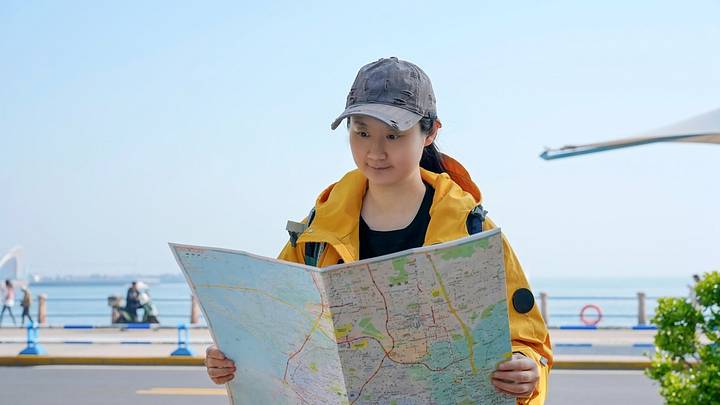
Back before people had every ticket, credit card, and map on their phones, everything had to be printed out. You’d have to carefully print your plane tickets, hotel reservations, and maps at home, or seek out internet cafes or hotels that could do it for you. Everyone carried around large paper maps or printed directions from Yahoo or MapQuest, and if you lost your ticket, that could mean disaster.
Nowadays, the only paper document you typically really need to have on hand is your passport… and even those are starting to be digitized in some regions. Of course, if you lose your phone (or if it dies), then you’re suddenly plunged back into the dark ages, just as lost and exposed as all of our traveling ancestors used to be anytime they went anywhere.
Using travel guidebooks

Another vintage travel experience that many people look back on fondly is carrying a dog-eared, beaten-up Lonely Planet guidebook wherever they went. These books may have offered up a smaller range of information than the internet, but they were certainly better-researched and less full of sponsored, fake, and false content than much of the digital realm is today. Having a travel guidebook was practically a necessity for travelers in the pre-phone era, as was doing extensive research on your destination before going.
Carrying cash and travelers’ checks

Some places in the world are still very much cash-only, but the pre-phone era was definitely much more of a cash-based time than today, when credit card machines are common. Exchanging money for the local currency in advance was absolutely necessary, and people would often acquire traveler’s checks before leaving for their destination. If you ran out of cash, you’d often have to spend hours wandering around searching for an ATM. Nowadays, even places in some of the remotest regions of the world have credit card scanners where you can just tap your phone and pay, largely eliminating this one-time travel staple.
Going to scenic spots without seeing a sea of phones

Nowadays, a visit to any popular tourist destination is always going to involve also seeing people taking photos, selfies, and videos. Back in the day, though, people actually simply had to visit a place and be there with each other, rather than seeing it all through a screen. Of course, people often carried bulky and noisy cameras, which could be disruptive in their own right. But the experience of seeing the Eiffel Tower or the Mona Lisa refracted in miniature on a thousand different little screens is definitely one that defines the modern era, and that would shock any time traveler from before the turn of the century.
Truly disconnecting

Before phones, travel meant that, like it or not, you were going to be quite hard to reach for a while. Nowadays, telling all your friends and family that you plan to be offline for a week and will talk to them when you return would probably feel like a radical or even rude act, but back then, that was just a part of everyone’s average vacation.
Of course, you could call people on the telephone for a fee, but there was absolutely no sitting and texting your friends from home play-by-play updates of your Euro summer, or scrolling through your ex's life updates while in a far-off land. There was also certainly no answering Slack messages or emailing your boss from the beach. There was only being present where you were—and though where you were was often lost and trying to ask for directions in a garbled foreign tongue, you were also, in some ways, more truly away than most people ever are today.