%20%20--%3E%0A%3Csvg%20version%3D%221.1%22%20id%3D%22Layer_1%22%20xmlns%3D%22http%3A%2F%2Fwww.w3.org%2F2000%2Fsvg%22%20xmlns%3Axlink%3D%22http%3A%2F%2Fwww.w3.org%2F1999%2Fxlink%22%20x%3D%220px%22%20y%3D%220px%22%0A%09%20viewBox%3D%220%200%20684.6%2068.1%22%20style%3D%22enable-background%3Anew%200%200%20684.6%2068.1%3B%22%20xml%3Aspace%3D%22preserve%22%3E%0A%3Cg%3E%0A%09%3Cpath%20d%3D%22M444.1%2C29.3h-17.4v14.5h17.4V29.3z%20M36.4%2C68.1l29.3-50.8V0H50.4L32.9%2C36.8L15.5%2C0H0v68.1h16.7V45.8l12.4%2C22.3H36.4z%0A%09%09%20M49.1%2C68.1h16.6V23.4L49.1%2C52.1V68.1z%20M76.6%2C68.1h45V53.8H93.3V41.6h21V27.1h-21V14.8h28.3V0.1h-45V68.1z%20M175.6%2C68.1h17.3v-68%0A%09%09h-16.5v40.3L150%2C0.1h-17.6v68h16.7V27.7L175.6%2C68.1z%20M235.8%2C14.8h15.4V0.1h-47.4v14.7H219v53.2h16.8V14.8z%20M290.3%2C45.9h-17.1%0A%09%09l7.5-15.6h2L290.3%2C45.9z%20M298.7%2C68.1h18l-32.2-68h-5.7l-32%2C68h18l3.3-7.1h27.1L298.7%2C68.1z%20M325.2%2C68.1h46.2V53.8h-29.6V0.1h-16.7%0A%09%09V68.1z%20M423.7%2C14.8h27.2V0.1H407v68h16.7V14.8z%20M462%2C68.1h46.2V53.8h-29.6V0.1H462V68.1z%20M564.8%2C34.1c0%2C10.7-7.2%2C19.2-18.5%2C19.2%0A%09%09c-11.4%2C0-18.5-8.5-18.5-19.2s7.1-19.2%2C18.5-19.2C557.6%2C14.9%2C564.8%2C23.4%2C564.8%2C34.1%20M580.6%2C34.1c0-19-14.2-34-34.3-34%0A%09%09c-20.2%2C0-34.3%2C15-34.3%2C34c0%2C19%2C14.1%2C34%2C34.3%2C34C566.4%2C68.1%2C580.6%2C53.1%2C580.6%2C34.1%20M604.8%2C20.5c0-4.1%2C3.3-6.2%2C6.7-6.2%0A%09%09c4.4%2C0%2C6.6%2C3%2C6.6%2C6.6h14.7C631.8%2C9.1%2C625.1%2C0.1%2C611%2C0.1c-12%2C0-21.7%2C9.3-21.7%2C20.6c0%2C10.9%2C5.9%2C15.9%2C16.7%2C19.8%0A%09%09c5.2%2C1.8%2C11.5%2C3.2%2C11.5%2C8c0%2C3.3-2.4%2C5.5-6.4%2C5.5c-3.6%2C0-6.6-3-6.6-6.7h-15.2c0%2C11.5%2C7.9%2C20.8%2C21.8%2C20.8c12%2C0%2C21.6-9.3%2C21.6-20.6%0A%09%09c0-10-5.3-16.4-16.7-19.8C610.6%2C26.1%2C604.8%2C25.3%2C604.8%2C20.5%20M670%2C20.9h14.7C683.8%2C9.1%2C677.1%2C0.1%2C663%2C0.1c-12%2C0-21.7%2C9.3-21.7%2C20.6%0A%09%09c0%2C10.9%2C5.9%2C15.9%2C16.7%2C19.8c5.2%2C1.8%2C11.5%2C3.2%2C11.5%2C8c0%2C3.3-2.4%2C5.5-6.4%2C5.5c-3.6%2C0-6.6-3-6.6-6.7h-15.2c0%2C11.5%2C7.9%2C20.8%2C21.8%2C20.8%0A%09%09c12%2C0%2C21.6-9.3%2C21.6-20.6c0-10-5.3-16.4-16.7-19.8c-5.4-1.6-11.3-2.4-11.3-7.2c0-4.1%2C3.3-6.2%2C6.7-6.2C667.7%2C14.4%2C670%2C17.3%2C670%2C20.9%0A%09%09%22%2F%3E%0A%3C%2Fg%3E%0A%3C%2Fsvg%3E%0A)

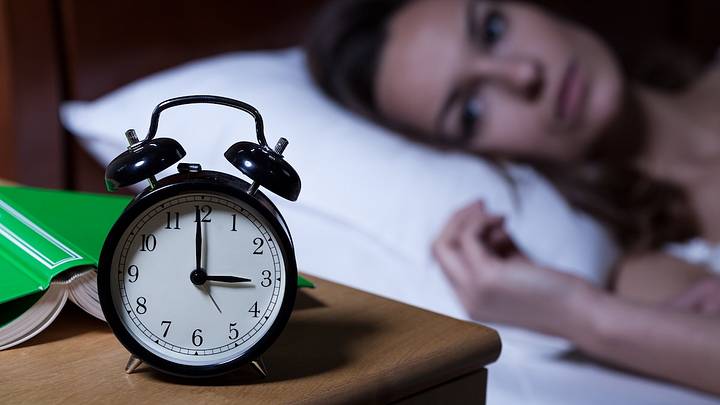
As a longtime insomnia sufferer, there are countless times I haven't been able to fall asleep until 3 a.m.—and just as many when I've woken up at this eerie hour, when dawn is still distant, and the dream state and wakefulness feel one and the same. Somehow, the latter always feels more like a spiritual awakening than simply being awake at the wrong time.
It doesn't take too many sleepless nights to go from reading scientific studies about cortisol spikes to Reddit rabbit holes about "witching hour"—when the veil between the physical and spiritual worlds is thought to be thinnest.
So, does waking up in the wee hours have to do with the supernatural or the circadian rhythm? The history of the human sleep schedule—and the many cultural significances assigned to night-waking—lends context to both possibilities.
The Spiritual Significance of "Witching Hour"

Do you or a loved one feel more alive in the dead of night? You aren't alone: Western folklore says witches—along with sorcerers, fairies, and spirits—do too.
While some interpretations designate witching hour as the period between 3 and 4 a.m. and others say it takes place at midnight, the bottom line is that it's a time when supernatural entities were believed to be at their most powerful. In Christian tradition, 3 a.m. is often called the "devil's hour"—an inversion of 3 p.m., the traditional time of Jesus' death—making it an hour thought to be susceptible to dark forces.
The idea that 3 a.m. holds spiritual weight isn't just a side effect of your sleeplessness—though it could be one of Shakespeare's. One of the earliest written mentions of "witching time" stems from the poet's famously supernatural play Hamlet in the early 17th century. In one of many soliloquies, Prince Hamlet himself says:
"'Tis now the very witching time of night,
When churchyards yawn, and hell itself breathes out
Contagion to this world. Now could I drink hot blood
And do such bitter business as the day
Would quake to look on…'"
Shakespeare's characterization of witching hour as a shadowy period of the night when evil thrives isn't necessarily representative of every culture's view on the 3 a.m. wake-up call. In the wide world of spirituality, the hour carries a much lighter significance in relation to inner awareness. Some modern spiritual practitioners view this waning "veil" as a powerful window for intuition, clear dreaming, and receiving cosmic messages.
In Traditional Chinese Medicine (TCM), energy, or qi, flows through different organs at different times throughout the night. Waking up from 1 to 3 a.m. is tied to the liver, said to signal anger and stress. Numerology offers an even more specific take, linking a 3:33 a.m. awakening to "angel numbers." Spotting 333 is often interpreted as a nudge toward alignment, creativity, and personal growth.
Historical Sleep and the Science of Waking Up
Waking up at 3 a.m. doesn't exactly align with the modern expectation of eight solid hours of sleep. But back in medieval times, when "biphasic" sleep was the norm, waking up in the middle of the night was nothing out of the ordinary.
Before the invention of electric lighting, humans didn't sleep in one uninterrupted session, but in two segments from dusk till dawn. They would wake up from a "first sleep" around midnight for a few hours of prayer, chores, chats, or intimacy, then drift off into a "second sleep" until sunrise. Oftentimes, these quiet chunks of time were an opportunity to engage with spiritual practices or reflect on the deeper meanings of preceding dreams.
Modern sleep science contextualizes why that late-night window of wakefulness persists today. Human sleep cycles last roughly 90 minutes, cycling through lighter and deeper stages of NREM sleep before entering REM sleep. As the night progresses, we spend more time in REM sleep, when brief stirrings become more common. Couple that with a sudden surge of cortisol—the body's stress hormone, which starts to kick in around 3 a.m.—and this witching hour wake-up seems less like a curse and more like a routine biological reaction.
What Does It Mean If You Wake Up at 3 a.m.?

Many people firmly believe that nothing good happens after midnight. Then again, those naysayers probably aren't night owls. The intimacy of a late night is unique: every sensory aspect, from the glaring moonlight to the heavy silence, seems to shine a spotlight on the higher self. Whether you view a 3 a.m. wake-up call through a spiritual or scientific lens, it serves as an invitation to check in with yourself.
The lack of distractions in the dead of night is an opportunity to hone in on your present thoughts, lingering anxieties, and potential life changes you might otherwise push away during the busy day. A seated meditation, journaling, or simply lighting a candle are all ways to ground yourself when tossing and turning in bed no longer serves you. Drawing on the number three's creative connection, it's also an ideal time to exercise artistic skills, from writing to drawing and painting, that might not otherwise align with a typical 9-to-5 schedule.
If it happens occasionally, there's no need to panic about dark omens or chronic insomnia. Instead, treat it as a natural pause, and remind yourself that humans have been staring at the ceiling at 3 a.m. for centuries before clocks even existed.