%20%20--%3E%0A%3Csvg%20version%3D%221.1%22%20id%3D%22Layer_1%22%20xmlns%3D%22http%3A%2F%2Fwww.w3.org%2F2000%2Fsvg%22%20xmlns%3Axlink%3D%22http%3A%2F%2Fwww.w3.org%2F1999%2Fxlink%22%20x%3D%220px%22%20y%3D%220px%22%0A%09%20viewBox%3D%220%200%20684.6%2068.1%22%20style%3D%22enable-background%3Anew%200%200%20684.6%2068.1%3B%22%20xml%3Aspace%3D%22preserve%22%3E%0A%3Cg%3E%0A%09%3Cpath%20d%3D%22M444.1%2C29.3h-17.4v14.5h17.4V29.3z%20M36.4%2C68.1l29.3-50.8V0H50.4L32.9%2C36.8L15.5%2C0H0v68.1h16.7V45.8l12.4%2C22.3H36.4z%0A%09%09%20M49.1%2C68.1h16.6V23.4L49.1%2C52.1V68.1z%20M76.6%2C68.1h45V53.8H93.3V41.6h21V27.1h-21V14.8h28.3V0.1h-45V68.1z%20M175.6%2C68.1h17.3v-68%0A%09%09h-16.5v40.3L150%2C0.1h-17.6v68h16.7V27.7L175.6%2C68.1z%20M235.8%2C14.8h15.4V0.1h-47.4v14.7H219v53.2h16.8V14.8z%20M290.3%2C45.9h-17.1%0A%09%09l7.5-15.6h2L290.3%2C45.9z%20M298.7%2C68.1h18l-32.2-68h-5.7l-32%2C68h18l3.3-7.1h27.1L298.7%2C68.1z%20M325.2%2C68.1h46.2V53.8h-29.6V0.1h-16.7%0A%09%09V68.1z%20M423.7%2C14.8h27.2V0.1H407v68h16.7V14.8z%20M462%2C68.1h46.2V53.8h-29.6V0.1H462V68.1z%20M564.8%2C34.1c0%2C10.7-7.2%2C19.2-18.5%2C19.2%0A%09%09c-11.4%2C0-18.5-8.5-18.5-19.2s7.1-19.2%2C18.5-19.2C557.6%2C14.9%2C564.8%2C23.4%2C564.8%2C34.1%20M580.6%2C34.1c0-19-14.2-34-34.3-34%0A%09%09c-20.2%2C0-34.3%2C15-34.3%2C34c0%2C19%2C14.1%2C34%2C34.3%2C34C566.4%2C68.1%2C580.6%2C53.1%2C580.6%2C34.1%20M604.8%2C20.5c0-4.1%2C3.3-6.2%2C6.7-6.2%0A%09%09c4.4%2C0%2C6.6%2C3%2C6.6%2C6.6h14.7C631.8%2C9.1%2C625.1%2C0.1%2C611%2C0.1c-12%2C0-21.7%2C9.3-21.7%2C20.6c0%2C10.9%2C5.9%2C15.9%2C16.7%2C19.8%0A%09%09c5.2%2C1.8%2C11.5%2C3.2%2C11.5%2C8c0%2C3.3-2.4%2C5.5-6.4%2C5.5c-3.6%2C0-6.6-3-6.6-6.7h-15.2c0%2C11.5%2C7.9%2C20.8%2C21.8%2C20.8c12%2C0%2C21.6-9.3%2C21.6-20.6%0A%09%09c0-10-5.3-16.4-16.7-19.8C610.6%2C26.1%2C604.8%2C25.3%2C604.8%2C20.5%20M670%2C20.9h14.7C683.8%2C9.1%2C677.1%2C0.1%2C663%2C0.1c-12%2C0-21.7%2C9.3-21.7%2C20.6%0A%09%09c0%2C10.9%2C5.9%2C15.9%2C16.7%2C19.8c5.2%2C1.8%2C11.5%2C3.2%2C11.5%2C8c0%2C3.3-2.4%2C5.5-6.4%2C5.5c-3.6%2C0-6.6-3-6.6-6.7h-15.2c0%2C11.5%2C7.9%2C20.8%2C21.8%2C20.8%0A%09%09c12%2C0%2C21.6-9.3%2C21.6-20.6c0-10-5.3-16.4-16.7-19.8c-5.4-1.6-11.3-2.4-11.3-7.2c0-4.1%2C3.3-6.2%2C6.7-6.2C667.7%2C14.4%2C670%2C17.3%2C670%2C20.9%0A%09%09%22%2F%3E%0A%3C%2Fg%3E%0A%3C%2Fsvg%3E%0A)

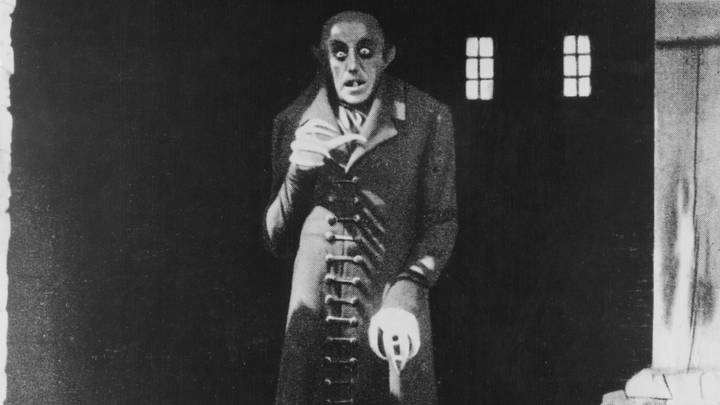
Cultures all over the world have their own ancient vampire traditions. Bali has the Leyak – a terrifying floating head with dangling entrails, said to feast on the blood of newborns. In Mesopotamia, the fearsome Ekimmu sucks out your very soul. The Asema in Suriname transforms by night into an eerie ball of blue light to drain your vitals. Arguably, however, the vampire that has formed the basis of the modern archetype relates to European beliefs across the 17th and 18th centuries and has been shaped by one particularly famous work of literature.
But why exactly, do vampires needed to be invited inside to enter a space?
To answer this fascinating question, we first have to take a deep dive into the origins of vampire folklore itself.
Vampires in European Folklore and Early Fiction

During the 17th century, vampirism was taken seriously in many European countries. Respected officials and doctors routinely carried out investigations into their supposed activity, and traditions arose whereby the graves of suspected blood-suckers were bolted shut, or the bodies exhumed and subjected to burning, decapitation, or even being boiled in wine. In the more enlightened 19th century, works of fiction began to appear that played upon these old fears and superstitions.
In 1819, English author John Polidori's book, The Vampyre, proved a great success and set down the foundations for the modern 'aristocratic' fiend. In Polidori's work, the heroine Aubrey meets with Lord Ruthven, and, during a trip around Europe, comes to understand he is more than meets the eye. In 1872, Irish writer Joseph Sheridan Le Fanu published his work, Carmilla, which centers on a young woman called Laura who lives in a castle in Austria. Laura becomes entangled in a romantic and dangerous liaison with the titular vampire.
How Bram Stoker Shaped the Modern Vampire Legend

In 1897 we have the most famous vampire novel of all – Bram Stoker's Dracula. This now-famous story has been retold and adapted for television and film countless times, becoming the bedrock of all modern vampire fiction. Stoker's novel follows the trials of Jonathan Harker, an English solicitor tasked with travelling to Transylvania to do business with Count Dracula. This book cemented many powers of vampirism that continue to be held as standard – wall climbing, animal transformation, immortality, and mind control. Stoker's vampire was also bound by the following rule: “He may not enter anywhere at the first, unless there be some one of the household who bid him to come, though afterwards he can come as he please.”
Before writing the novel, Stoker made at least a hundred pages of notes, drawing inspiration from historical events and numerous folk tales and myths. The idea of evil spirits, or the devil himself, requiring an invitation before crossing a threshold actually crops up in many ancient traditions the world over. Stoker's achievement lay in codifying a vampire's powers and limitations, choosing from numerous legends, including this last crucial weakness. So well did he do this that Dracula's sway over the imagination still holds fast to this day, and you'll seldom find a fictional vampire who can enter a house without first being granted permission.