%20%20--%3E%0A%3Csvg%20version%3D%221.1%22%20id%3D%22Layer_1%22%20xmlns%3D%22http%3A%2F%2Fwww.w3.org%2F2000%2Fsvg%22%20xmlns%3Axlink%3D%22http%3A%2F%2Fwww.w3.org%2F1999%2Fxlink%22%20x%3D%220px%22%20y%3D%220px%22%0A%09%20viewBox%3D%220%200%20684.6%2068.1%22%20style%3D%22enable-background%3Anew%200%200%20684.6%2068.1%3B%22%20xml%3Aspace%3D%22preserve%22%3E%0A%3Cg%3E%0A%09%3Cpath%20d%3D%22M444.1%2C29.3h-17.4v14.5h17.4V29.3z%20M36.4%2C68.1l29.3-50.8V0H50.4L32.9%2C36.8L15.5%2C0H0v68.1h16.7V45.8l12.4%2C22.3H36.4z%0A%09%09%20M49.1%2C68.1h16.6V23.4L49.1%2C52.1V68.1z%20M76.6%2C68.1h45V53.8H93.3V41.6h21V27.1h-21V14.8h28.3V0.1h-45V68.1z%20M175.6%2C68.1h17.3v-68%0A%09%09h-16.5v40.3L150%2C0.1h-17.6v68h16.7V27.7L175.6%2C68.1z%20M235.8%2C14.8h15.4V0.1h-47.4v14.7H219v53.2h16.8V14.8z%20M290.3%2C45.9h-17.1%0A%09%09l7.5-15.6h2L290.3%2C45.9z%20M298.7%2C68.1h18l-32.2-68h-5.7l-32%2C68h18l3.3-7.1h27.1L298.7%2C68.1z%20M325.2%2C68.1h46.2V53.8h-29.6V0.1h-16.7%0A%09%09V68.1z%20M423.7%2C14.8h27.2V0.1H407v68h16.7V14.8z%20M462%2C68.1h46.2V53.8h-29.6V0.1H462V68.1z%20M564.8%2C34.1c0%2C10.7-7.2%2C19.2-18.5%2C19.2%0A%09%09c-11.4%2C0-18.5-8.5-18.5-19.2s7.1-19.2%2C18.5-19.2C557.6%2C14.9%2C564.8%2C23.4%2C564.8%2C34.1%20M580.6%2C34.1c0-19-14.2-34-34.3-34%0A%09%09c-20.2%2C0-34.3%2C15-34.3%2C34c0%2C19%2C14.1%2C34%2C34.3%2C34C566.4%2C68.1%2C580.6%2C53.1%2C580.6%2C34.1%20M604.8%2C20.5c0-4.1%2C3.3-6.2%2C6.7-6.2%0A%09%09c4.4%2C0%2C6.6%2C3%2C6.6%2C6.6h14.7C631.8%2C9.1%2C625.1%2C0.1%2C611%2C0.1c-12%2C0-21.7%2C9.3-21.7%2C20.6c0%2C10.9%2C5.9%2C15.9%2C16.7%2C19.8%0A%09%09c5.2%2C1.8%2C11.5%2C3.2%2C11.5%2C8c0%2C3.3-2.4%2C5.5-6.4%2C5.5c-3.6%2C0-6.6-3-6.6-6.7h-15.2c0%2C11.5%2C7.9%2C20.8%2C21.8%2C20.8c12%2C0%2C21.6-9.3%2C21.6-20.6%0A%09%09c0-10-5.3-16.4-16.7-19.8C610.6%2C26.1%2C604.8%2C25.3%2C604.8%2C20.5%20M670%2C20.9h14.7C683.8%2C9.1%2C677.1%2C0.1%2C663%2C0.1c-12%2C0-21.7%2C9.3-21.7%2C20.6%0A%09%09c0%2C10.9%2C5.9%2C15.9%2C16.7%2C19.8c5.2%2C1.8%2C11.5%2C3.2%2C11.5%2C8c0%2C3.3-2.4%2C5.5-6.4%2C5.5c-3.6%2C0-6.6-3-6.6-6.7h-15.2c0%2C11.5%2C7.9%2C20.8%2C21.8%2C20.8%0A%09%09c12%2C0%2C21.6-9.3%2C21.6-20.6c0-10-5.3-16.4-16.7-19.8c-5.4-1.6-11.3-2.4-11.3-7.2c0-4.1%2C3.3-6.2%2C6.7-6.2C667.7%2C14.4%2C670%2C17.3%2C670%2C20.9%0A%09%09%22%2F%3E%0A%3C%2Fg%3E%0A%3C%2Fsvg%3E%0A)

Not every Oscar winner opens to applause—or even a sold-out show. Some of Hollywood’s most celebrated movies struggled at the box office, drawing small audiences and subpar reviews, only to later earn critical acclaim and Academy Awards. From silent films to rock ’n’ roll road trips, these Oscar-winning films prove that a slow start doesn’t mean they can’t leave a lasting mark on cinema history.
- The Wizard of Oz (1939)
- Citizen Kane (1941)
- Girl, Interrupted (1999)
- Almost Famous (2000)
- The Wolfman (2010)
- The Artist (2011)
- Birdman (2014)
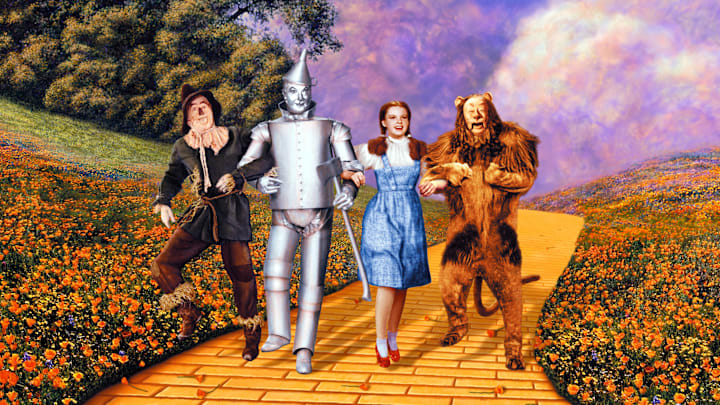
The Wizard of Oz (1939)
With countless big-screen adaptations and spinoffs to its name, you’d never guess that The Wizard of Oz wasn’t a smash hit when it premiered in 1939. At the time, it was Metro-Goldwyn-Mayer’s most expensive film ever, featuring lavish sets and cutting-edge special effects that brought its budget to $2.7 million. It earned roughly $3 million during its initial run, but once costs were factored in, MGM actually lost more than $1 million.
Still, Oz followed its own yellow brick road to success. The film scored six Academy Award nominations and won two Oscars—for Best Original Score and Best Original Song for “Over the Rainbow.” A decade later, MGM rereleased the movie in theaters, where it grossed another $1.5 million and began its transformation from box-office disappointment to enduring classic.
Citizen Kane (1941)
Citizen Kane was arguably ahead of its time. But its groundbreaking filmmaking techniques and pointed cultural commentary didn’t translate into box office success. Orson Welles drew inspiration from media tycoon William Randolph Hearst when shaping the story of Charles Foster Kane—a decision that likely contributed to the film’s chilly reception. Hearst used his influence to suppress coverage of Citizen Kane in newspapers and on radio networks nationwide, limiting its reach.
The backlash hurt: RKO Pictures reportedly lost about $150,000 on the film. Still, its artistic ambition didn’t go unnoticed. Citizen Kane earned nine Academy Award nominations and ultimately won Best Original Screenplay, laying the groundwork for its later reputation as one of the greatest films ever made.
Girl, Interrupted (1999)
Not every book-to-movie adaptation is an immediate hit. While mental health awareness has come a long way in the past two decades, when Susanna Kaysen’s Girl, Interrupted hit theaters, its subject matter wasn’t widely embraced. The story follows Kaysen’s own struggles with trauma and borderline personality disorder, which land her—portrayed by Winona Ryder in the film—in a 1960s mental institution.
Even with a star-studded cast, including Angelina Jolie, Brittany Murphy, and Elizabeth Moss, the film’s heavy themes may have kept audiences away, earning just $28.9 million domestically—barely over half of its $40 million budget. Still, Jolie won the Oscar for Best Supporting Actress at the 72nd Academy Awards, cementing the movie’s lasting impact.
Almost Famous (2000)
Despite being considered a cult classic now, Almost Famous was almost a flop. Following a fictional band and its groupies on tour, the film plunges viewers into the wild, chaotic world of 1970s rock ’n’ roll. But its fanbase wasn’t immediate: it earned just $47.4 million against a $60 million budget.
Inspired by his own time as a Rolling Stone reporter, director Cameron Crowe went $15 million over budget and a month over schedule, leaving less for DreamWorks SKG's marketing. Still, the film earned major accolades: Crowe won the Oscar for Best Original Screenplay, Kate Hudson and Frances McDormand each took home Best Supporting Actress, and Joe Hutshing and Saar Klein were recognized for Best Film Editing.
The Wolfman (2010)
Even with big names like Benicio del Toro and Anthony Hopkins, The Wolfman struggled to capture audiences. The 2010 remake of the classic Universal monster movie cost $150 million to make but only earned about $142.6 million worldwide, leaving it short of its budget. Critics were mixed, praising the visual effects but finding the story and scares lacking. Still, the film found its bite where it mattered, winning the Academy Award for Best Makeup and bringing the iconic werewolf to life for a new generation.
The Artist (2011)
With CGI-heavy blockbusters like Harry Potter and the Deathly Hallows: Part 2 and Captain America: The First Avenger dominating theaters in 2011, the black-and-white silent film The Artist wasn’t exactly a box-office sensation. Following aging silent-film star George Valentin and rising actress Peppy Miller, the movie earned just $44.7 million domestically on a $16 million budget, making it one of the lowest-grossing Best Picture winners in Oscars history. Despite this, The Artist made history at the Oscars: it won five awards, including Best Picture, Best Director for Michel Hazanavicius, and Best Actor for Jean Dujardin—the first French actor to take home that honor.
Birdman (2014)
Arthouse films and box-office hits don’t always overlap, even with acclaimed actors like Michael Keaton. In Birdman, life mirrored art: the Broadway play at the center of the story, starring Keaton’s character, struggled to fill seats—just like the film itself. Birdman’s one-shot style and dark comedy didn’t attract as many mainstream viewers as expected, earning only $37 million domestically and ranking as the 73rd highest-grossing film of 2014. The Academy, however, saw it differently, awarding Birdman four Oscars for Best Picture, Best Director, Best Cinematography, and Best Original Screenplay.