%20%20--%3E%0A%3Csvg%20version%3D%221.1%22%20id%3D%22Layer_1%22%20xmlns%3D%22http%3A%2F%2Fwww.w3.org%2F2000%2Fsvg%22%20xmlns%3Axlink%3D%22http%3A%2F%2Fwww.w3.org%2F1999%2Fxlink%22%20x%3D%220px%22%20y%3D%220px%22%0A%09%20viewBox%3D%220%200%20684.6%2068.1%22%20style%3D%22enable-background%3Anew%200%200%20684.6%2068.1%3B%22%20xml%3Aspace%3D%22preserve%22%3E%0A%3Cg%3E%0A%09%3Cpath%20d%3D%22M444.1%2C29.3h-17.4v14.5h17.4V29.3z%20M36.4%2C68.1l29.3-50.8V0H50.4L32.9%2C36.8L15.5%2C0H0v68.1h16.7V45.8l12.4%2C22.3H36.4z%0A%09%09%20M49.1%2C68.1h16.6V23.4L49.1%2C52.1V68.1z%20M76.6%2C68.1h45V53.8H93.3V41.6h21V27.1h-21V14.8h28.3V0.1h-45V68.1z%20M175.6%2C68.1h17.3v-68%0A%09%09h-16.5v40.3L150%2C0.1h-17.6v68h16.7V27.7L175.6%2C68.1z%20M235.8%2C14.8h15.4V0.1h-47.4v14.7H219v53.2h16.8V14.8z%20M290.3%2C45.9h-17.1%0A%09%09l7.5-15.6h2L290.3%2C45.9z%20M298.7%2C68.1h18l-32.2-68h-5.7l-32%2C68h18l3.3-7.1h27.1L298.7%2C68.1z%20M325.2%2C68.1h46.2V53.8h-29.6V0.1h-16.7%0A%09%09V68.1z%20M423.7%2C14.8h27.2V0.1H407v68h16.7V14.8z%20M462%2C68.1h46.2V53.8h-29.6V0.1H462V68.1z%20M564.8%2C34.1c0%2C10.7-7.2%2C19.2-18.5%2C19.2%0A%09%09c-11.4%2C0-18.5-8.5-18.5-19.2s7.1-19.2%2C18.5-19.2C557.6%2C14.9%2C564.8%2C23.4%2C564.8%2C34.1%20M580.6%2C34.1c0-19-14.2-34-34.3-34%0A%09%09c-20.2%2C0-34.3%2C15-34.3%2C34c0%2C19%2C14.1%2C34%2C34.3%2C34C566.4%2C68.1%2C580.6%2C53.1%2C580.6%2C34.1%20M604.8%2C20.5c0-4.1%2C3.3-6.2%2C6.7-6.2%0A%09%09c4.4%2C0%2C6.6%2C3%2C6.6%2C6.6h14.7C631.8%2C9.1%2C625.1%2C0.1%2C611%2C0.1c-12%2C0-21.7%2C9.3-21.7%2C20.6c0%2C10.9%2C5.9%2C15.9%2C16.7%2C19.8%0A%09%09c5.2%2C1.8%2C11.5%2C3.2%2C11.5%2C8c0%2C3.3-2.4%2C5.5-6.4%2C5.5c-3.6%2C0-6.6-3-6.6-6.7h-15.2c0%2C11.5%2C7.9%2C20.8%2C21.8%2C20.8c12%2C0%2C21.6-9.3%2C21.6-20.6%0A%09%09c0-10-5.3-16.4-16.7-19.8C610.6%2C26.1%2C604.8%2C25.3%2C604.8%2C20.5%20M670%2C20.9h14.7C683.8%2C9.1%2C677.1%2C0.1%2C663%2C0.1c-12%2C0-21.7%2C9.3-21.7%2C20.6%0A%09%09c0%2C10.9%2C5.9%2C15.9%2C16.7%2C19.8c5.2%2C1.8%2C11.5%2C3.2%2C11.5%2C8c0%2C3.3-2.4%2C5.5-6.4%2C5.5c-3.6%2C0-6.6-3-6.6-6.7h-15.2c0%2C11.5%2C7.9%2C20.8%2C21.8%2C20.8%0A%09%09c12%2C0%2C21.6-9.3%2C21.6-20.6c0-10-5.3-16.4-16.7-19.8c-5.4-1.6-11.3-2.4-11.3-7.2c0-4.1%2C3.3-6.2%2C6.7-6.2C667.7%2C14.4%2C670%2C17.3%2C670%2C20.9%0A%09%09%22%2F%3E%0A%3C%2Fg%3E%0A%3C%2Fsvg%3E%0A)

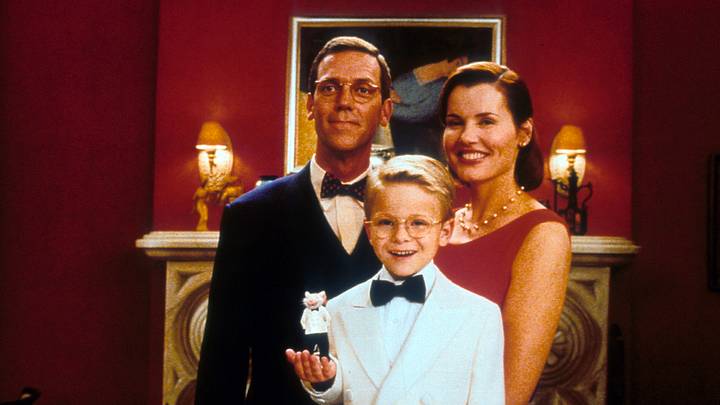
Although Stuart Little (1999) was generally well-received by critics upon its release, it was far from the biggest or best-remembered movie of the year. Adapted from E. B. White’s 1945 book of the same name—with M. Night Shyamalan co-writing the screenplay and Michael J. Fox voicing the titular anthropomorphic mouse—the family-friendly film was up against stiff competition in 1999. The movie simply had no chance at the box office against juggernauts like Star Wars: Episode I – The Phantom Menace and Toy Story 2, and it lost the Oscar for Best Visual Effects to The Matrix.
But a decade after its release, Stuart Little found itself back in the news after playing an important part in the discovery and recovery of a long-lost painting by Hungarian artist Róbert Berény.
A Lost Art
In the late 1920s, Berény, an avant-garde artist, painted an Art Deco-style portrait of his second wife, Eta, taking a nap on a couch behind a vase on a table. Titled Sleeping Lady with Black Vase, the oil painting was exhibited at the Ernst Museum in Budapest in 1928. But the history of the painting after that exhibition became a bit of a guessing game.
It’s thought that the buyer of the artwork was likely Jewish—because most of the buyers at that show were—and that they fled Hungary when World War II broke out in 1939. Then, in the chaos of the war, the painting went missing.
Art historians knew what the painting looked like thanks to photographs taken at the 1928 exhibition, but with no trail to follow, Sleeping Lady with Black Vase was thought to be lost forever.
It All Started with a Mouse

On Christmas Eve in 2009, art historian Gergely Barki was watching Stuart Little with his young daughter, Lola. Less than 20 minutes into the film, Barki was shocked to see Berény’s missing painting hung above the mantelpiece in the Little family’s living room. “I couldn’t believe my eyes when I saw Berény’s long-lost masterpiece on the wall behind Hugh Laurie. I nearly dropped Lola from my lap,” Barki said in an interview with The Guardian. “A researcher can never take his eyes off the job, even when watching Christmas movies at home.”
Barki was determined to track the painting down and began emailing the various production companies behind the film. “They answered me immediately that they remember the painting, but they didn’t find it,” he later told NPR. He then started emailing all of the cast and crew members he could find contact details for, and after two years he finally got good news from one of the movie’s set designers (who wanted to remain anonymous). She had Sleeping Lady with Black Vase hanging in her bedroom.
The set designer had come across the painting in an antique shop in Pasadena, California, and—with no idea that it was a missing treasure—paid $500 for it to use it as set decor. Before being hung in the Littles' living room, the painting had appeared on the set of the TV show Family Law. But she liked the painting of the sleeping woman so much that when production wrapped on Stuart Little, she bought it from Sony Pictures and took it home to hang on her own walls.
One previous owner of the Berény painting has also been identified: art collector Michael Hempstead. He bought the portrait in the mid-1990s at a charity auction held by St. Vincent de Paul. “I think I only paid $40,” he told The Guardian. “Somebody had just donated it, probably with a lot of other items.” Who that somebody was remains a mystery, and the painting’s whereabouts between 1928 and the mid-’90s are still completely unknown.
Barki flew from Hungary to Washington, D.C., to verify that the artwork was genuine. It was. The set designer then sold the painting to an unnamed collector, who eventually put it up for auction through the Virág Judit gallery in Hungary in 2014. By this point, media coverage of the Stuart Little find had led to Sleeping Lady with Black Vase becoming one of the most famous Hungarian artworks ever painted, and it sold for a staggering 229,500 euros (roughly $285,700).
The media frenzy around the painting also led to Hugh Laurie, who played patriarch Frederick Little in the movie, jokingly commenting, “Little hurt to discover the foreground performances couldn’t hold the attention, but still, what an honor…”