%20%20--%3E%0A%3Csvg%20version%3D%221.1%22%20id%3D%22Layer_1%22%20xmlns%3D%22http%3A%2F%2Fwww.w3.org%2F2000%2Fsvg%22%20xmlns%3Axlink%3D%22http%3A%2F%2Fwww.w3.org%2F1999%2Fxlink%22%20x%3D%220px%22%20y%3D%220px%22%0A%09%20viewBox%3D%220%200%20684.6%2068.1%22%20style%3D%22enable-background%3Anew%200%200%20684.6%2068.1%3B%22%20xml%3Aspace%3D%22preserve%22%3E%0A%3Cg%3E%0A%09%3Cpath%20d%3D%22M444.1%2C29.3h-17.4v14.5h17.4V29.3z%20M36.4%2C68.1l29.3-50.8V0H50.4L32.9%2C36.8L15.5%2C0H0v68.1h16.7V45.8l12.4%2C22.3H36.4z%0A%09%09%20M49.1%2C68.1h16.6V23.4L49.1%2C52.1V68.1z%20M76.6%2C68.1h45V53.8H93.3V41.6h21V27.1h-21V14.8h28.3V0.1h-45V68.1z%20M175.6%2C68.1h17.3v-68%0A%09%09h-16.5v40.3L150%2C0.1h-17.6v68h16.7V27.7L175.6%2C68.1z%20M235.8%2C14.8h15.4V0.1h-47.4v14.7H219v53.2h16.8V14.8z%20M290.3%2C45.9h-17.1%0A%09%09l7.5-15.6h2L290.3%2C45.9z%20M298.7%2C68.1h18l-32.2-68h-5.7l-32%2C68h18l3.3-7.1h27.1L298.7%2C68.1z%20M325.2%2C68.1h46.2V53.8h-29.6V0.1h-16.7%0A%09%09V68.1z%20M423.7%2C14.8h27.2V0.1H407v68h16.7V14.8z%20M462%2C68.1h46.2V53.8h-29.6V0.1H462V68.1z%20M564.8%2C34.1c0%2C10.7-7.2%2C19.2-18.5%2C19.2%0A%09%09c-11.4%2C0-18.5-8.5-18.5-19.2s7.1-19.2%2C18.5-19.2C557.6%2C14.9%2C564.8%2C23.4%2C564.8%2C34.1%20M580.6%2C34.1c0-19-14.2-34-34.3-34%0A%09%09c-20.2%2C0-34.3%2C15-34.3%2C34c0%2C19%2C14.1%2C34%2C34.3%2C34C566.4%2C68.1%2C580.6%2C53.1%2C580.6%2C34.1%20M604.8%2C20.5c0-4.1%2C3.3-6.2%2C6.7-6.2%0A%09%09c4.4%2C0%2C6.6%2C3%2C6.6%2C6.6h14.7C631.8%2C9.1%2C625.1%2C0.1%2C611%2C0.1c-12%2C0-21.7%2C9.3-21.7%2C20.6c0%2C10.9%2C5.9%2C15.9%2C16.7%2C19.8%0A%09%09c5.2%2C1.8%2C11.5%2C3.2%2C11.5%2C8c0%2C3.3-2.4%2C5.5-6.4%2C5.5c-3.6%2C0-6.6-3-6.6-6.7h-15.2c0%2C11.5%2C7.9%2C20.8%2C21.8%2C20.8c12%2C0%2C21.6-9.3%2C21.6-20.6%0A%09%09c0-10-5.3-16.4-16.7-19.8C610.6%2C26.1%2C604.8%2C25.3%2C604.8%2C20.5%20M670%2C20.9h14.7C683.8%2C9.1%2C677.1%2C0.1%2C663%2C0.1c-12%2C0-21.7%2C9.3-21.7%2C20.6%0A%09%09c0%2C10.9%2C5.9%2C15.9%2C16.7%2C19.8c5.2%2C1.8%2C11.5%2C3.2%2C11.5%2C8c0%2C3.3-2.4%2C5.5-6.4%2C5.5c-3.6%2C0-6.6-3-6.6-6.7h-15.2c0%2C11.5%2C7.9%2C20.8%2C21.8%2C20.8%0A%09%09c12%2C0%2C21.6-9.3%2C21.6-20.6c0-10-5.3-16.4-16.7-19.8c-5.4-1.6-11.3-2.4-11.3-7.2c0-4.1%2C3.3-6.2%2C6.7-6.2C667.7%2C14.4%2C670%2C17.3%2C670%2C20.9%0A%09%09%22%2F%3E%0A%3C%2Fg%3E%0A%3C%2Fsvg%3E%0A)

Film credits are often a source of pride for the many people who worked on a movie. Your name listed at the end of a film is a way of saying, "Look what I made!" It's the adult equivalent of your mom hanging up your drawing on the fridge and showing it to every visitor. But what happens when the project you worked on turns out so badly that you'd rather cut any connection you have to it?
At first glance, Alan Smithee seems to be a veteran director with a resumé that spans about thirty years of feature films, as well as another twenty of TV episodes, short films, and commercials. Taking a closer look, the quality of many of these films is questionable. It wasn't because Alan Smithee was a terrible director, or that he chose to only work on, shall we say, interesting projects. It's because Alan Smithee doesn't actually exist.

The History of Smithee
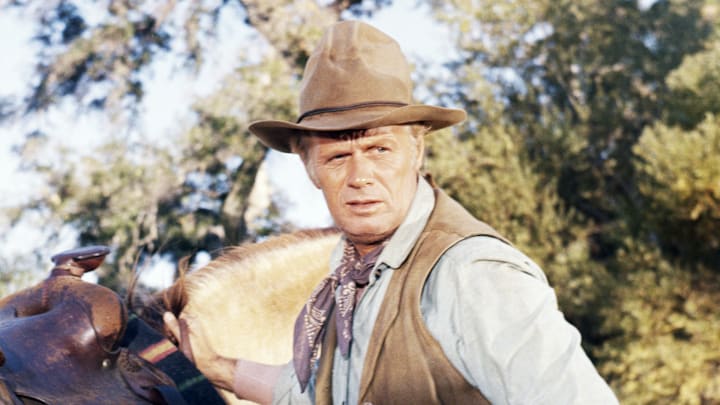
Alan Smithee, often nicknamed "the lousiest director," is the pseudonym created by the Directors Guild of America for directors who wanted to distance themselves from a film. The DGA required every film to give credit to the director, but it ran into a conundrum in 1969. The directors of Death of a Gunfighter both wanted nothing to do with the film.
Robert Totten directed the western film, Death of a Gunfighter, for about a year until the lead actor, Richard Widmark, had him dropped from the project due to creative differences. Totten was replaced by Don Siegel, who did not want to be credited for Totten's work. The DGA decided a pseudonym would be the solution, and "Allen Smithee" was born.

What's In A Name?
When the DGA was coming up with a pseudonym, one early suggestion was "Alan Smith." That was determined to be too common of a name, so they simply added two e's to the end. Early uses of the pseudonym, like Death of a Gunfighter, saw the spelling as "Allen Smithee," but over the years, it was standardized as "Alan Smithee" for men and "Alana Smithee" for women.
Not just anyone could use this pseudonym, however. The DGA had strict standards for when "Alan Smithee" could be used because they didn't want producers bullying timid directors into going uncredited. Directors had to prove to the DGA that their creative vision had been ruined, whether in filming or editing of the film. The project had to be something the director could no longer identify as theirs for the DGA to allow Alan Smithee to receive the credit.
An Alan Smithee Film: Burn Hollywood Burn
Alan Smithee was credited as director for a couple dozen feature films between 1969 and 2000. Some directors might claim the theatrical versions of their films but disown the TV edited versions. One of the most famous films to do this was 1984's Dune. David Lynch is credited with directing the theatrical version but he asked that Alan Smithee be listed for the TV version of the film.
In 1997, the film that would end Alan Smithee's theatrical film career was released. An Alan Smithee Film: Burn Hollywood Burn was a mockumentary that brought the pseudonym into public awareness. The film was itself allowed to credit Alan Smithee as the director, but after bombing at the box office and the jokes it made about directors in conflict with their films, the DGA decided to retire "Alan Smithee" and try other pseudonyms in its place.

Smithee Branches Out
Though the Directors' Guild of America chose not to use Alan Smithee anymore, that doesn't mean that Smithee stopped working. Alan Smithee has his own profile on IMDb, with over 150 directing credits. These include made-for-TV movies and certain episodes of TV series, music videos, short films, and commercials. He also has credits as a writer, producer, cinematographer, and actor.
Even without the DGA's approval, Alan Smithee has been able to keep taking credit for the projects others are ashamed to be a part of. He's become the film industry's most prolific scapegoat.
Love trivia? OrderMental Floss’snew game, Brain Brawl, to test your knowledge in a head-to-head tournament style.