%20%20--%3E%0A%3Csvg%20version%3D%221.1%22%20id%3D%22Layer_1%22%20xmlns%3D%22http%3A%2F%2Fwww.w3.org%2F2000%2Fsvg%22%20xmlns%3Axlink%3D%22http%3A%2F%2Fwww.w3.org%2F1999%2Fxlink%22%20x%3D%220px%22%20y%3D%220px%22%0A%09%20viewBox%3D%220%200%20684.6%2068.1%22%20style%3D%22enable-background%3Anew%200%200%20684.6%2068.1%3B%22%20xml%3Aspace%3D%22preserve%22%3E%0A%3Cg%3E%0A%09%3Cpath%20d%3D%22M444.1%2C29.3h-17.4v14.5h17.4V29.3z%20M36.4%2C68.1l29.3-50.8V0H50.4L32.9%2C36.8L15.5%2C0H0v68.1h16.7V45.8l12.4%2C22.3H36.4z%0A%09%09%20M49.1%2C68.1h16.6V23.4L49.1%2C52.1V68.1z%20M76.6%2C68.1h45V53.8H93.3V41.6h21V27.1h-21V14.8h28.3V0.1h-45V68.1z%20M175.6%2C68.1h17.3v-68%0A%09%09h-16.5v40.3L150%2C0.1h-17.6v68h16.7V27.7L175.6%2C68.1z%20M235.8%2C14.8h15.4V0.1h-47.4v14.7H219v53.2h16.8V14.8z%20M290.3%2C45.9h-17.1%0A%09%09l7.5-15.6h2L290.3%2C45.9z%20M298.7%2C68.1h18l-32.2-68h-5.7l-32%2C68h18l3.3-7.1h27.1L298.7%2C68.1z%20M325.2%2C68.1h46.2V53.8h-29.6V0.1h-16.7%0A%09%09V68.1z%20M423.7%2C14.8h27.2V0.1H407v68h16.7V14.8z%20M462%2C68.1h46.2V53.8h-29.6V0.1H462V68.1z%20M564.8%2C34.1c0%2C10.7-7.2%2C19.2-18.5%2C19.2%0A%09%09c-11.4%2C0-18.5-8.5-18.5-19.2s7.1-19.2%2C18.5-19.2C557.6%2C14.9%2C564.8%2C23.4%2C564.8%2C34.1%20M580.6%2C34.1c0-19-14.2-34-34.3-34%0A%09%09c-20.2%2C0-34.3%2C15-34.3%2C34c0%2C19%2C14.1%2C34%2C34.3%2C34C566.4%2C68.1%2C580.6%2C53.1%2C580.6%2C34.1%20M604.8%2C20.5c0-4.1%2C3.3-6.2%2C6.7-6.2%0A%09%09c4.4%2C0%2C6.6%2C3%2C6.6%2C6.6h14.7C631.8%2C9.1%2C625.1%2C0.1%2C611%2C0.1c-12%2C0-21.7%2C9.3-21.7%2C20.6c0%2C10.9%2C5.9%2C15.9%2C16.7%2C19.8%0A%09%09c5.2%2C1.8%2C11.5%2C3.2%2C11.5%2C8c0%2C3.3-2.4%2C5.5-6.4%2C5.5c-3.6%2C0-6.6-3-6.6-6.7h-15.2c0%2C11.5%2C7.9%2C20.8%2C21.8%2C20.8c12%2C0%2C21.6-9.3%2C21.6-20.6%0A%09%09c0-10-5.3-16.4-16.7-19.8C610.6%2C26.1%2C604.8%2C25.3%2C604.8%2C20.5%20M670%2C20.9h14.7C683.8%2C9.1%2C677.1%2C0.1%2C663%2C0.1c-12%2C0-21.7%2C9.3-21.7%2C20.6%0A%09%09c0%2C10.9%2C5.9%2C15.9%2C16.7%2C19.8c5.2%2C1.8%2C11.5%2C3.2%2C11.5%2C8c0%2C3.3-2.4%2C5.5-6.4%2C5.5c-3.6%2C0-6.6-3-6.6-6.7h-15.2c0%2C11.5%2C7.9%2C20.8%2C21.8%2C20.8%0A%09%09c12%2C0%2C21.6-9.3%2C21.6-20.6c0-10-5.3-16.4-16.7-19.8c-5.4-1.6-11.3-2.4-11.3-7.2c0-4.1%2C3.3-6.2%2C6.7-6.2C667.7%2C14.4%2C670%2C17.3%2C670%2C20.9%0A%09%09%22%2F%3E%0A%3C%2Fg%3E%0A%3C%2Fsvg%3E%0A)

Going green is no longer just a buzzword, but the blueprint for modern city living. Sure, you can grab a cold-pressed green juice on nearly every block in major metropolitan hubs, but without zero-waste policies and strict emissions caps, true sustainability stays out of reach. While many Americans in certain climate-conscious corners of the map can enjoy miles of public parks and easily accessible alternative-fuel stations, green options are looking a bit wilted elsewhere.
To find out where eco-friendly living flourishes and where sustainability efforts are stalling out, WalletHub analyzed the 100 largest U.S. cities across four core categories: environmental quality, transit infrastructure, clean energy adoption, and local eco-policies. The study examined everything from air purity and greenhouse gas emissions to the per-capita density of community gardens, bike paths, and green buildings.
The clean, green capitals of the United States prove that maintaining a sustainable city is a symbiotic process that doesn't have to involve sacrificing comfort or convenience. Did your city make the list?

The Golden State Takes the Gold
When it comes to fostering an eco-conscious city, the Bay Area is setting the national gold standard. California lives up to its green reputation with six cities in the overall top 10, but the Bay proves to be the Golden State's sustainability capital, taking gold, silver, and bronze.
In America's greenest city, "green" isn't merely a metaphor—it's the literal color of the landscape when you take in all of Oakland's lush parks. Over 12% of the city is designated as parkland, stretching from urban Lake Merritt to the towering redwoods of Joaquin Miller Park. All that greenery pays off: the Town leads the country in top-notch air quality while boasting the second-lowest per-capita greenhouse gas emissions in the nation. That makes taking advantage of its many bike paths and bike-sharing program a no-brainer, with clean air to breathe in and plenty of community gardens and farmers' markets along the way.

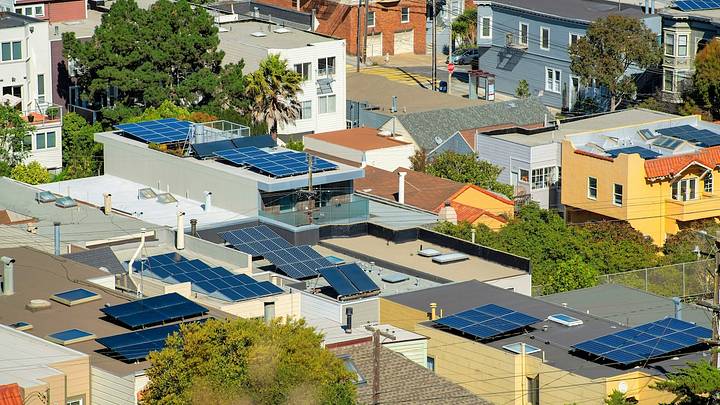
Securing the silver spot, Silicon Valley's capital shows that tech innovation and green living can go hand in hand. San Jose shines bright in renewable energy, ranking fifth nationally for per-capita solar installations and drawing more than half of its electricity from clean sources. The city's grip on green infrastructure pays off: it has the fourth-lowest Urban Heat Island Effect Index in the country, stopping San Jose from turning into a sweltering concrete jungle. As for actual greens, San Jose ranks third in the country for farmers' markets per capita—which you'll have to bring your own bag for, as single-use plastic bags have been banned since 2012.
Meanwhile, the City rounds out the top three as the third-greenest city in America. Citizens of San Francisco take matters into their own hands, growing produce in private and public spaces, which puts SF ahead of the rest of the country in community gardens per capita. From its green thumbs to its low daily water usage and active carpooling culture, Fog City makes sustainable living seem like second nature.
Here's the complete list of America's top 10 most eco-friendly cities:
Rank | City | Total Score | Environmental Rank |
|---|---|---|---|
1 | Oakland, CA | 70.83 | 9 |
2 | San Jose, CA | 70.20 | 7 |
3 | San Francisco, CA | 69.94 | 10 |
4 | Washington, DC | 69.12 | 17 |
5 | Honolulu, HI | 68.14 | 2 |
6 | San Diego, CA | 67.38 | 16 |
7 | Fremont, CA | 67.10 | 1 |
8 | Irvine, CA | 66.42 | 8 |
9 | Portland, OR | 65.54 | 50 |
10 | Minneapolis, MN | 64.46 | 25 |
Healthy Planet, Healthy People

Building a green city is a two-way street: as city planners invest in environmental health and parkland, residents are rewarded with a big boost to their physical and mental well-being. Sprawling solar panel projects and clean-energy mandates aside, even swapping a single parking lot for a neighborhood park or bike path opens up room for outdoor activity and fresh air.
In fact, studies show spending just 20 minutes in an urban park significantly drops stress hormones. It's the little things, from buying local produce to building green hotels, that end up making a big difference in both our planet's health and our own.