%20%20--%3E%0A%3Csvg%20version%3D%221.1%22%20id%3D%22Layer_1%22%20xmlns%3D%22http%3A%2F%2Fwww.w3.org%2F2000%2Fsvg%22%20xmlns%3Axlink%3D%22http%3A%2F%2Fwww.w3.org%2F1999%2Fxlink%22%20x%3D%220px%22%20y%3D%220px%22%0A%09%20viewBox%3D%220%200%20684.6%2068.1%22%20style%3D%22enable-background%3Anew%200%200%20684.6%2068.1%3B%22%20xml%3Aspace%3D%22preserve%22%3E%0A%3Cg%3E%0A%09%3Cpath%20d%3D%22M444.1%2C29.3h-17.4v14.5h17.4V29.3z%20M36.4%2C68.1l29.3-50.8V0H50.4L32.9%2C36.8L15.5%2C0H0v68.1h16.7V45.8l12.4%2C22.3H36.4z%0A%09%09%20M49.1%2C68.1h16.6V23.4L49.1%2C52.1V68.1z%20M76.6%2C68.1h45V53.8H93.3V41.6h21V27.1h-21V14.8h28.3V0.1h-45V68.1z%20M175.6%2C68.1h17.3v-68%0A%09%09h-16.5v40.3L150%2C0.1h-17.6v68h16.7V27.7L175.6%2C68.1z%20M235.8%2C14.8h15.4V0.1h-47.4v14.7H219v53.2h16.8V14.8z%20M290.3%2C45.9h-17.1%0A%09%09l7.5-15.6h2L290.3%2C45.9z%20M298.7%2C68.1h18l-32.2-68h-5.7l-32%2C68h18l3.3-7.1h27.1L298.7%2C68.1z%20M325.2%2C68.1h46.2V53.8h-29.6V0.1h-16.7%0A%09%09V68.1z%20M423.7%2C14.8h27.2V0.1H407v68h16.7V14.8z%20M462%2C68.1h46.2V53.8h-29.6V0.1H462V68.1z%20M564.8%2C34.1c0%2C10.7-7.2%2C19.2-18.5%2C19.2%0A%09%09c-11.4%2C0-18.5-8.5-18.5-19.2s7.1-19.2%2C18.5-19.2C557.6%2C14.9%2C564.8%2C23.4%2C564.8%2C34.1%20M580.6%2C34.1c0-19-14.2-34-34.3-34%0A%09%09c-20.2%2C0-34.3%2C15-34.3%2C34c0%2C19%2C14.1%2C34%2C34.3%2C34C566.4%2C68.1%2C580.6%2C53.1%2C580.6%2C34.1%20M604.8%2C20.5c0-4.1%2C3.3-6.2%2C6.7-6.2%0A%09%09c4.4%2C0%2C6.6%2C3%2C6.6%2C6.6h14.7C631.8%2C9.1%2C625.1%2C0.1%2C611%2C0.1c-12%2C0-21.7%2C9.3-21.7%2C20.6c0%2C10.9%2C5.9%2C15.9%2C16.7%2C19.8%0A%09%09c5.2%2C1.8%2C11.5%2C3.2%2C11.5%2C8c0%2C3.3-2.4%2C5.5-6.4%2C5.5c-3.6%2C0-6.6-3-6.6-6.7h-15.2c0%2C11.5%2C7.9%2C20.8%2C21.8%2C20.8c12%2C0%2C21.6-9.3%2C21.6-20.6%0A%09%09c0-10-5.3-16.4-16.7-19.8C610.6%2C26.1%2C604.8%2C25.3%2C604.8%2C20.5%20M670%2C20.9h14.7C683.8%2C9.1%2C677.1%2C0.1%2C663%2C0.1c-12%2C0-21.7%2C9.3-21.7%2C20.6%0A%09%09c0%2C10.9%2C5.9%2C15.9%2C16.7%2C19.8c5.2%2C1.8%2C11.5%2C3.2%2C11.5%2C8c0%2C3.3-2.4%2C5.5-6.4%2C5.5c-3.6%2C0-6.6-3-6.6-6.7h-15.2c0%2C11.5%2C7.9%2C20.8%2C21.8%2C20.8%0A%09%09c12%2C0%2C21.6-9.3%2C21.6-20.6c0-10-5.3-16.4-16.7-19.8c-5.4-1.6-11.3-2.4-11.3-7.2c0-4.1%2C3.3-6.2%2C6.7-6.2C667.7%2C14.4%2C670%2C17.3%2C670%2C20.9%0A%09%09%22%2F%3E%0A%3C%2Fg%3E%0A%3C%2Fsvg%3E%0A)

Anyone who’s worked in the back line of a busy kitchen or binge-watched Hell’s Kitchen while low-key enjoying every verbal chef roast knows how fast things can turn chaotic as a chef. One wrong move, one undercooked scallop, and someone’s career is over.
But imagine the stakes were higher than a bad Yelp review. Imagine you’re cooking for a president who happens to be a dictator. And imagine that a single dish could mean the difference between keeping your job or becoming crocodile food.
The palates of the five 20th-century dictators on this list were ordinary. There were no special ingredients that made them cruel, no secret recipes that turned them into monsters. Their meals were repetitive, plain, and often boring.
But what wasn’t ordinary were the rules their chefs had to follow. For the people feeding these men, every meal came with paranoia, pressure, and very real consequences.
Idi Amin

In the eight years Idi Amin ruled Uganda in the 1970s, he collected the longest and most unhinged titles in modern history. Ugandans listening to the radio under his regime would routinely hear their president introduced as “His Excellency, Field Marshal, Lord of All the Beasts of the Earth and Fishes of the Seas, Last King of Scots and conqueror of the British Empire.”
Amin was also infamous for having his enemies thrown into the Nile to be eaten by crocodiles and was widely rumored—though never proven—to be a cannibal. Despite this, Amin’s favorite food wasn’t human flesh. It was sweet pilaf, a rice dish so rich that it reportedly sent his son into a month-long episode of explosive farts.
As a devout Muslim, male kitchen staff who wanted to remain employed and alive were expected to be circumcized. There was no option to hesitate, as Amin reportedly scheduled procedures at his private hospital to make sure everyone complied.
Amin didn’t stop at policing his staff’s bodies. He also took a keen interest in their private lives. He himself had many wives at the same time. One was later murdered and chopped into pieces. If he caught staff members speaking privately with someone of the opposite sex, he would sometimes hand them an envelope of cash and instruct them to indulge in a night of excess. Some employees ended up with multiple wives, often to please the man who called himself Lord of All the Beasts.
Fidel Castro

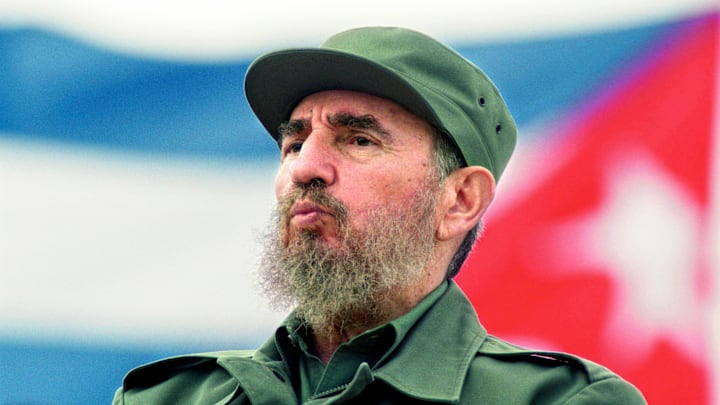
Fidel Castro wasn’t just a revolutionary man; he was a kitchen micromanager. He could give hour-long lectures to chefs on everything from cooking seafood and seasoning pasta to filleting a fish. Some of these chefs were considered the best Cuba had to offer. He loved everything dairy, from ice cream to milk to cheese: a passion so legendary that the CIA reportedly tried to exploit it. His obsession even led to the breeding of Ubre Blanca, a cow so productive she earned a spot in the Guinness World Records.
At the height of revolution, when ration cards controlled food, and hunger soared in a country that had invented the first vegan steak, Castro still demanded the extraordinary: a suckling pig, fed only its mother’s milk, roasted to perfection. On trips deep into the jungles and across the country, he was accompanied by two bodyguards who carried his blood type, just in case.
Castro’s quirks weren’t like some violent dictators; some chefs flourished under his quirks, others lived in poverty and drowned in their mental illness.
Saddam Hussein

When American soldiers swept the suburbs of Iraq in 2003, they discovered a narrow pit and found a thin, bearded man hiding underground. Saddam Hussein’s temporary hideout was filthy, worlds different from the palaces he once lived in. Nearby, soldiers found dried figs and salami hung from palm trees: a comfort food that he clung to till the end.
Hussein’s inner circle largely came from his hometown of Tikrit, a place with a reputation for loyalty and opportunism. In his youth, Hussein himself had been a small-time thief, but when it came to food, his standards were oddly inconsistent.
Unlike Idi Amin, Hussein didn’t force religious rituals or personal relationships on his kitchen staff. But guards routinely inspected the cooks’ hands before meals, checking for traces of poison, and leftovers were often sealed, refrigerated, and sent for laboratory testing overnight. Whenever he received edible gifts, cooks were sometimes expected to taste them first, their taste buds acting as his guinea pigs.
When a dish failed to please him, staff were sometimes kicked in the butt, and on particularly foul-tempered days, cooks were expected to pay 50 dinars ($150) for the “wasted” food.
Pol Pot

Saloth Sâr left Cambodia to study in France and returned as Pol Pot, the man who would lead the Khmer Rouge and turn hunger into policy. An estimated 1.7 to 2 million people died under his rule. Food, or the lack of it, was meant to teach obedience.
Under the Khmer Rouge, people ate worms, insects, birds, rats, hunted bats, and drank their blood, and even that could land them in trouble if it broke revolutionary rules. Pol Pot, however, ate differently.
His base was constantly on the move, hopping from one jungle camp to another, with cooks scrambling to keep him fed using whatever could be sourced or smuggled. His favorite dish was a simple sweet-and-sour soup, but like many dictators, his tastes came with a contradiction. While banning foreign influence nationwide, Pol Pot preferred his food prepared the Thai way, drank Chinese tea, and snacked on smuggled Vietnamese goods.
In his kitchen, Pol Pot loved keeping staff on edge, often saying the opposite of what he meant so no one could tell if praise was a trap or criticism a warning. Around the same time, he married his cook while confining his first wife during her bouts of paranoia.
Enver Hoxha

In his four decades of reign, Enver Hoxha turned Albania into the first officially atheist state in the modern world, banning travel abroad, private property ownership, and religion. Families were annihilated, and the guards themselves were under constant watch: guards watching guards, who were yet watched by other guards, so no one could tell who the spy was and who was the watched. Paranoia extended to everyone who served him, including his cooks.
Hoxha suffered from diabetes, and his private doctors kept a close watch on him around the clock. His chefs had to measure his food to keep his daily calories under control. But Hoxha still craved sweets, so his cooks were forced to invent desserts he wasn’t allowed to eat, using sugar substitutes, culinary tricks, and endless creativity.
Some chefs survived by becoming extra creative. One figured out that Hoxha loved his late mother’s cooking, so he learned her recipes from Hoxha’s sister and became a stand-in for the mother he had never known. Grapes had to be seedless, peeled by hand for hours at a time, simply because Hoxha believed grapes should always be seedless.