%20%20--%3E%0A%3Csvg%20version%3D%221.1%22%20id%3D%22Layer_1%22%20xmlns%3D%22http%3A%2F%2Fwww.w3.org%2F2000%2Fsvg%22%20xmlns%3Axlink%3D%22http%3A%2F%2Fwww.w3.org%2F1999%2Fxlink%22%20x%3D%220px%22%20y%3D%220px%22%0A%09%20viewBox%3D%220%200%20684.6%2068.1%22%20style%3D%22enable-background%3Anew%200%200%20684.6%2068.1%3B%22%20xml%3Aspace%3D%22preserve%22%3E%0A%3Cg%3E%0A%09%3Cpath%20d%3D%22M444.1%2C29.3h-17.4v14.5h17.4V29.3z%20M36.4%2C68.1l29.3-50.8V0H50.4L32.9%2C36.8L15.5%2C0H0v68.1h16.7V45.8l12.4%2C22.3H36.4z%0A%09%09%20M49.1%2C68.1h16.6V23.4L49.1%2C52.1V68.1z%20M76.6%2C68.1h45V53.8H93.3V41.6h21V27.1h-21V14.8h28.3V0.1h-45V68.1z%20M175.6%2C68.1h17.3v-68%0A%09%09h-16.5v40.3L150%2C0.1h-17.6v68h16.7V27.7L175.6%2C68.1z%20M235.8%2C14.8h15.4V0.1h-47.4v14.7H219v53.2h16.8V14.8z%20M290.3%2C45.9h-17.1%0A%09%09l7.5-15.6h2L290.3%2C45.9z%20M298.7%2C68.1h18l-32.2-68h-5.7l-32%2C68h18l3.3-7.1h27.1L298.7%2C68.1z%20M325.2%2C68.1h46.2V53.8h-29.6V0.1h-16.7%0A%09%09V68.1z%20M423.7%2C14.8h27.2V0.1H407v68h16.7V14.8z%20M462%2C68.1h46.2V53.8h-29.6V0.1H462V68.1z%20M564.8%2C34.1c0%2C10.7-7.2%2C19.2-18.5%2C19.2%0A%09%09c-11.4%2C0-18.5-8.5-18.5-19.2s7.1-19.2%2C18.5-19.2C557.6%2C14.9%2C564.8%2C23.4%2C564.8%2C34.1%20M580.6%2C34.1c0-19-14.2-34-34.3-34%0A%09%09c-20.2%2C0-34.3%2C15-34.3%2C34c0%2C19%2C14.1%2C34%2C34.3%2C34C566.4%2C68.1%2C580.6%2C53.1%2C580.6%2C34.1%20M604.8%2C20.5c0-4.1%2C3.3-6.2%2C6.7-6.2%0A%09%09c4.4%2C0%2C6.6%2C3%2C6.6%2C6.6h14.7C631.8%2C9.1%2C625.1%2C0.1%2C611%2C0.1c-12%2C0-21.7%2C9.3-21.7%2C20.6c0%2C10.9%2C5.9%2C15.9%2C16.7%2C19.8%0A%09%09c5.2%2C1.8%2C11.5%2C3.2%2C11.5%2C8c0%2C3.3-2.4%2C5.5-6.4%2C5.5c-3.6%2C0-6.6-3-6.6-6.7h-15.2c0%2C11.5%2C7.9%2C20.8%2C21.8%2C20.8c12%2C0%2C21.6-9.3%2C21.6-20.6%0A%09%09c0-10-5.3-16.4-16.7-19.8C610.6%2C26.1%2C604.8%2C25.3%2C604.8%2C20.5%20M670%2C20.9h14.7C683.8%2C9.1%2C677.1%2C0.1%2C663%2C0.1c-12%2C0-21.7%2C9.3-21.7%2C20.6%0A%09%09c0%2C10.9%2C5.9%2C15.9%2C16.7%2C19.8c5.2%2C1.8%2C11.5%2C3.2%2C11.5%2C8c0%2C3.3-2.4%2C5.5-6.4%2C5.5c-3.6%2C0-6.6-3-6.6-6.7h-15.2c0%2C11.5%2C7.9%2C20.8%2C21.8%2C20.8%0A%09%09c12%2C0%2C21.6-9.3%2C21.6-20.6c0-10-5.3-16.4-16.7-19.8c-5.4-1.6-11.3-2.4-11.3-7.2c0-4.1%2C3.3-6.2%2C6.7-6.2C667.7%2C14.4%2C670%2C17.3%2C670%2C20.9%0A%09%09%22%2F%3E%0A%3C%2Fg%3E%0A%3C%2Fsvg%3E%0A)

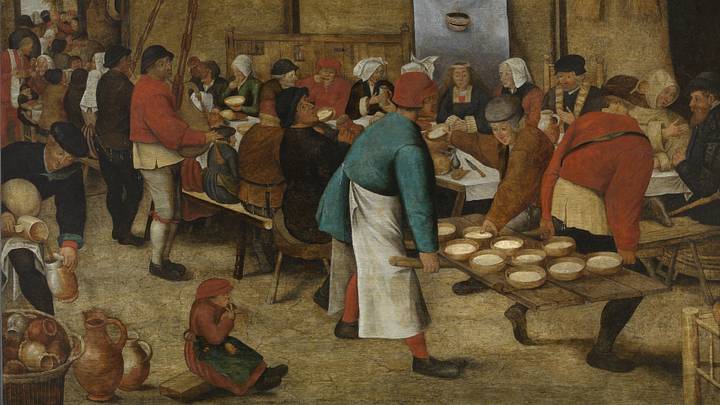
The Black Death nearly halved the population of Europe between 1347 and 1353 and resulted in the deaths of up to 200 million people worldwide.
Victims were struck with symptoms ranging from fever to blackening of the skin to eventual demise. Medical professionals at the time had no idea how to cure or contain the disease, though stricter sanitation and quarantine measures were eventually established.
As the disease spread and the population decreased, the class system changed. Before the plague, upper-class nobility treated peasants as if they were a dime a dozen, yet as laborers died in droves, those responsible for harvesting food became increasingly valuable.
The land itself did not shrink, and the workers who maintained it began to recognize just how important they were. After all, how would the rich eat if they didn’t expand their efforts to cover more land with fewer people?
Thanks to the law we call supply and demand, agricultural workers started asking landlords for higher wages, making it possible for them to afford better goods, including higher-quality foods for their tables. Suddenly, peasants were enjoying meals similar to those prepared in aristocrats’ kitchens.
Let's take a seat at a Medieval table to discover exactly what Europeans ate during the Black Death.
GRAINS

European peasants relied on wholemeal, rye, and barley during the Middle Ages, consuming these grains throughout the Black Death. Wealthier classes enjoyed white bread, which was less nutritious than the aforementioned grains. Regardless, it was a delicacy reserved for families with greater means, at least until the plague hit.
After the plague, families consumed fewer grains overall, but the grains they did eat were of higher quality. Peasants ate white bread once reserved for the upper class, thanks to its now lower and more manageable price.
Because barley was still being harvested but eaten less, it was used to make premium ales.
POTTAGE

If you're thinking "pottage" sounds a lot like "porridge," you're not wrong. Pottage was essentially porridge, a grain-based dish, with a few extra ingredients. Typically found on a peasant's table, pottage received an upgrade, if you will, after the Black Death.
Seasonal fruits and vegetables were added to the pot, and sometimes even meat, which, once again, became more accessible to peasants after the population decline. Better ingredients meant better pottage.
MEAT

Both peasants and nobility enjoyed a variety of meats during the Black Death and, in general, throughout the 14th century. Before the plague, nobility dined on fresh meat and received it with the snap of a finger and the ring of a bell, while peasants preserved their cuts (by pickling, salting, or drying) and enjoyed them rarely, usually on special occasions.
When the plague ended, peasants, now in demand, could suddenly afford fresher meats including pigs, cows, sheep, hedgehog, and birds. Cows were also used for cheese and butter, which became preserved staples across all classes in the aftermath of the plague.
Speaking of birds: live chickens were plucked, and their bare skin used as a topical "cure" for plague victims, a process that continued until either the chicken or the patient passed away. The victim never actually ate the chicken; it was used only externally in a process called the "Vicary Method."
FISH

Fish, like meat, was enjoyed fresh by aristocrats and nobility before the plague, and preserved by peasants. After the plague, it became far more likely to find fresh fish on a peasant family's table than before.
Fish was eaten year-round during the Middle Ages, with the type of fish you devoured depending on your proximity to the coast. People who lived by the sea ate herring and mackerel, while inland families dined on river fish like perch, sturgeon, and trout.
Fish consumption increased during Lent, when Catholics avoided meat for 40 days and 40 nights, per religious tradition.
VINEGAR

Ok, technically, vinegar isn't a food, but it was an extremely popular ingredient in the Middle Ages and took on a new significance during the Black Death. Many believed it to be one of the potential cures for the disease, and probably one of the least unusual (it was likely easier to down a concoction of vinegar and spices than to rub a featherless, live chicken on your skin, in reference to the oddities of the Vicary Method mentioned above).
They concocted a potion of vinegar, cider, wine, and spices, including (but not limited to) sage, clove, rosemary, and wormwood, and referred to it as "Four Thieves Vinegar," according to World History.