%20%20--%3E%0A%3Csvg%20version%3D%221.1%22%20id%3D%22Layer_1%22%20xmlns%3D%22http%3A%2F%2Fwww.w3.org%2F2000%2Fsvg%22%20xmlns%3Axlink%3D%22http%3A%2F%2Fwww.w3.org%2F1999%2Fxlink%22%20x%3D%220px%22%20y%3D%220px%22%0A%09%20viewBox%3D%220%200%20684.6%2068.1%22%20style%3D%22enable-background%3Anew%200%200%20684.6%2068.1%3B%22%20xml%3Aspace%3D%22preserve%22%3E%0A%3Cg%3E%0A%09%3Cpath%20d%3D%22M444.1%2C29.3h-17.4v14.5h17.4V29.3z%20M36.4%2C68.1l29.3-50.8V0H50.4L32.9%2C36.8L15.5%2C0H0v68.1h16.7V45.8l12.4%2C22.3H36.4z%0A%09%09%20M49.1%2C68.1h16.6V23.4L49.1%2C52.1V68.1z%20M76.6%2C68.1h45V53.8H93.3V41.6h21V27.1h-21V14.8h28.3V0.1h-45V68.1z%20M175.6%2C68.1h17.3v-68%0A%09%09h-16.5v40.3L150%2C0.1h-17.6v68h16.7V27.7L175.6%2C68.1z%20M235.8%2C14.8h15.4V0.1h-47.4v14.7H219v53.2h16.8V14.8z%20M290.3%2C45.9h-17.1%0A%09%09l7.5-15.6h2L290.3%2C45.9z%20M298.7%2C68.1h18l-32.2-68h-5.7l-32%2C68h18l3.3-7.1h27.1L298.7%2C68.1z%20M325.2%2C68.1h46.2V53.8h-29.6V0.1h-16.7%0A%09%09V68.1z%20M423.7%2C14.8h27.2V0.1H407v68h16.7V14.8z%20M462%2C68.1h46.2V53.8h-29.6V0.1H462V68.1z%20M564.8%2C34.1c0%2C10.7-7.2%2C19.2-18.5%2C19.2%0A%09%09c-11.4%2C0-18.5-8.5-18.5-19.2s7.1-19.2%2C18.5-19.2C557.6%2C14.9%2C564.8%2C23.4%2C564.8%2C34.1%20M580.6%2C34.1c0-19-14.2-34-34.3-34%0A%09%09c-20.2%2C0-34.3%2C15-34.3%2C34c0%2C19%2C14.1%2C34%2C34.3%2C34C566.4%2C68.1%2C580.6%2C53.1%2C580.6%2C34.1%20M604.8%2C20.5c0-4.1%2C3.3-6.2%2C6.7-6.2%0A%09%09c4.4%2C0%2C6.6%2C3%2C6.6%2C6.6h14.7C631.8%2C9.1%2C625.1%2C0.1%2C611%2C0.1c-12%2C0-21.7%2C9.3-21.7%2C20.6c0%2C10.9%2C5.9%2C15.9%2C16.7%2C19.8%0A%09%09c5.2%2C1.8%2C11.5%2C3.2%2C11.5%2C8c0%2C3.3-2.4%2C5.5-6.4%2C5.5c-3.6%2C0-6.6-3-6.6-6.7h-15.2c0%2C11.5%2C7.9%2C20.8%2C21.8%2C20.8c12%2C0%2C21.6-9.3%2C21.6-20.6%0A%09%09c0-10-5.3-16.4-16.7-19.8C610.6%2C26.1%2C604.8%2C25.3%2C604.8%2C20.5%20M670%2C20.9h14.7C683.8%2C9.1%2C677.1%2C0.1%2C663%2C0.1c-12%2C0-21.7%2C9.3-21.7%2C20.6%0A%09%09c0%2C10.9%2C5.9%2C15.9%2C16.7%2C19.8c5.2%2C1.8%2C11.5%2C3.2%2C11.5%2C8c0%2C3.3-2.4%2C5.5-6.4%2C5.5c-3.6%2C0-6.6-3-6.6-6.7h-15.2c0%2C11.5%2C7.9%2C20.8%2C21.8%2C20.8%0A%09%09c12%2C0%2C21.6-9.3%2C21.6-20.6c0-10-5.3-16.4-16.7-19.8c-5.4-1.6-11.3-2.4-11.3-7.2c0-4.1%2C3.3-6.2%2C6.7-6.2C667.7%2C14.4%2C670%2C17.3%2C670%2C20.9%0A%09%09%22%2F%3E%0A%3C%2Fg%3E%0A%3C%2Fsvg%3E%0A)

With history packed with icons from pop culture to politics, it’s hard to imagine some of them ever sharing the spotlight—yet surprisingly, many did. Some of the most famous figures we assume lived in entirely different eras actually overlapped in ways that are downright dumbfounding.
From silent film stars sharing a timeline with rap legends to emperors reigning during the childhoods of future presidents, these surprising connections reveal just how tangled—and mind-blowing—history really is. Let’s turn back the clock and discover seven historical duos who lived side by side when you least expected it.
- Abraham Lincoln and Napoleon Bonaparte
- Orville Wright and Neil Armstrong
- Anne Frank and Martin Luther King Jr.
- Alexander Graham Bell and Betty White
- Picasso and Eminem
- Charlie Chaplin and 50 Cent
- Helen Keller and Barack Obama
Abraham Lincoln and Napoleon Bonaparte

The 16th President of the United States and the Emperor of France are often thought to belong to entirely different eras. Abraham Lincoln led the United States through the Civil War and fought to end slavery in the mid-19th century, while Napoleon Bonaparte, a “man of the 18th century,” had already reshaped Europe with his military campaigns and reforms. Yet their lives briefly overlapped, bridging the gap from the age of revolutionary empires to the dawn of modern America.
Orville Wright and Neil Armstrong

When Neil Armstrong stepped onto the Moon in 1969, it highlighted how far aviation had come from its earliest days. Orville Wright, who pioneered powered flight in 1903, witnessed advances from horse-drawn travel to the breaking of the sound barrier in 1947—capturing one of history’s most dramatic leaps, even though he didn’t live to see humans reach the Moon.
Anne Frank and Martin Luther King Jr.

MLK Jr. and Anne Frank were both born in 1929, yet their lives unfolded in vastly different worlds. Frank’s diary captured the urgent realities of life under Nazi occupation and immortalized her at just 15 in the early 1940s. Years later, in his mid-20s during the 1950s, King led the fight for civil rights—showing how the same generation faced very different struggles for justice across the globe. Had they both lived to 2026, they would have been 97, a striking reminder of how closely the Holocaust and the American Civil Rights Movement intersect in modern history.
Alexander Graham Bell and Betty White

The invention of the telephone feels like a relic of the distant past, while Betty White remained a fixture of modern television well into the 21st century. Yet Alexander Graham Bell and White were technically alive at the same time—if only for a single year. Bell lived from the birth of modern communication into the roaring early 1920s, while White was just born, showing that the Victorian-era inventor and the “First Lady of Television” briefly shared the same timeline.
Picasso and Eminem

Believe it or not, Pablo Picasso was alive at the same time as both Charles Darwin and Eminem, spanning the theory of evolution to the evolution of hip-hop culture. In his final year, Picasso, the legendary 20th-century Spanish painter, could have witnessed Eminem’s birth in 1972—linking the world of avant-garde art with the rise of rap music into the global mainstream in a single lifetime.
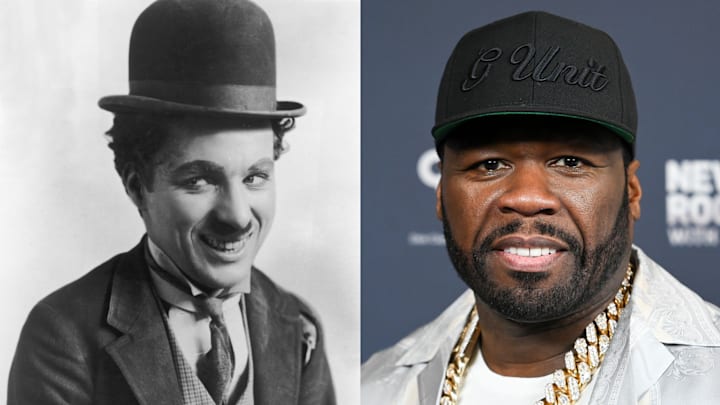
Charlie Chaplin and 50 Cent

Silent film star Charlie Chaplin is often associated with the earliest days of Hollywood, long before modern music culture emerged. Yet Chaplin lived until 1977—by which time future 2000s chart-toppers like 50 Cent were already alive—revealing just how close black-and-white cinema and gangster rap actually are in the history of entertainment. In fact, both could have technically watched the first Star Wars movie in theaters that same year.
Helen Keller and Barack Obama

You probably wouldn’t guess that Helen Keller, the activist who overcame blindness and deafness, and Barack Obama, the first African American President, shared a timeline. Their lives overlapped for seven years, from Obama’s birth in 1961 until Keller’s death in 1968. Keller witnessed the early civil rights movement that would shape his childhood—and decades later, Obama would greet a group of deaf-blind individuals from the Helen Keller National Center in the Oval Office, celebrating their achievements and honoring Keller’s lasting legacy.