%20%20--%3E%0A%3Csvg%20version%3D%221.1%22%20id%3D%22Layer_1%22%20xmlns%3D%22http%3A%2F%2Fwww.w3.org%2F2000%2Fsvg%22%20xmlns%3Axlink%3D%22http%3A%2F%2Fwww.w3.org%2F1999%2Fxlink%22%20x%3D%220px%22%20y%3D%220px%22%0A%09%20viewBox%3D%220%200%20684.6%2068.1%22%20style%3D%22enable-background%3Anew%200%200%20684.6%2068.1%3B%22%20xml%3Aspace%3D%22preserve%22%3E%0A%3Cg%3E%0A%09%3Cpath%20d%3D%22M444.1%2C29.3h-17.4v14.5h17.4V29.3z%20M36.4%2C68.1l29.3-50.8V0H50.4L32.9%2C36.8L15.5%2C0H0v68.1h16.7V45.8l12.4%2C22.3H36.4z%0A%09%09%20M49.1%2C68.1h16.6V23.4L49.1%2C52.1V68.1z%20M76.6%2C68.1h45V53.8H93.3V41.6h21V27.1h-21V14.8h28.3V0.1h-45V68.1z%20M175.6%2C68.1h17.3v-68%0A%09%09h-16.5v40.3L150%2C0.1h-17.6v68h16.7V27.7L175.6%2C68.1z%20M235.8%2C14.8h15.4V0.1h-47.4v14.7H219v53.2h16.8V14.8z%20M290.3%2C45.9h-17.1%0A%09%09l7.5-15.6h2L290.3%2C45.9z%20M298.7%2C68.1h18l-32.2-68h-5.7l-32%2C68h18l3.3-7.1h27.1L298.7%2C68.1z%20M325.2%2C68.1h46.2V53.8h-29.6V0.1h-16.7%0A%09%09V68.1z%20M423.7%2C14.8h27.2V0.1H407v68h16.7V14.8z%20M462%2C68.1h46.2V53.8h-29.6V0.1H462V68.1z%20M564.8%2C34.1c0%2C10.7-7.2%2C19.2-18.5%2C19.2%0A%09%09c-11.4%2C0-18.5-8.5-18.5-19.2s7.1-19.2%2C18.5-19.2C557.6%2C14.9%2C564.8%2C23.4%2C564.8%2C34.1%20M580.6%2C34.1c0-19-14.2-34-34.3-34%0A%09%09c-20.2%2C0-34.3%2C15-34.3%2C34c0%2C19%2C14.1%2C34%2C34.3%2C34C566.4%2C68.1%2C580.6%2C53.1%2C580.6%2C34.1%20M604.8%2C20.5c0-4.1%2C3.3-6.2%2C6.7-6.2%0A%09%09c4.4%2C0%2C6.6%2C3%2C6.6%2C6.6h14.7C631.8%2C9.1%2C625.1%2C0.1%2C611%2C0.1c-12%2C0-21.7%2C9.3-21.7%2C20.6c0%2C10.9%2C5.9%2C15.9%2C16.7%2C19.8%0A%09%09c5.2%2C1.8%2C11.5%2C3.2%2C11.5%2C8c0%2C3.3-2.4%2C5.5-6.4%2C5.5c-3.6%2C0-6.6-3-6.6-6.7h-15.2c0%2C11.5%2C7.9%2C20.8%2C21.8%2C20.8c12%2C0%2C21.6-9.3%2C21.6-20.6%0A%09%09c0-10-5.3-16.4-16.7-19.8C610.6%2C26.1%2C604.8%2C25.3%2C604.8%2C20.5%20M670%2C20.9h14.7C683.8%2C9.1%2C677.1%2C0.1%2C663%2C0.1c-12%2C0-21.7%2C9.3-21.7%2C20.6%0A%09%09c0%2C10.9%2C5.9%2C15.9%2C16.7%2C19.8c5.2%2C1.8%2C11.5%2C3.2%2C11.5%2C8c0%2C3.3-2.4%2C5.5-6.4%2C5.5c-3.6%2C0-6.6-3-6.6-6.7h-15.2c0%2C11.5%2C7.9%2C20.8%2C21.8%2C20.8%0A%09%09c12%2C0%2C21.6-9.3%2C21.6-20.6c0-10-5.3-16.4-16.7-19.8c-5.4-1.6-11.3-2.4-11.3-7.2c0-4.1%2C3.3-6.2%2C6.7-6.2C667.7%2C14.4%2C670%2C17.3%2C670%2C20.9%0A%09%09%22%2F%3E%0A%3C%2Fg%3E%0A%3C%2Fsvg%3E%0A)

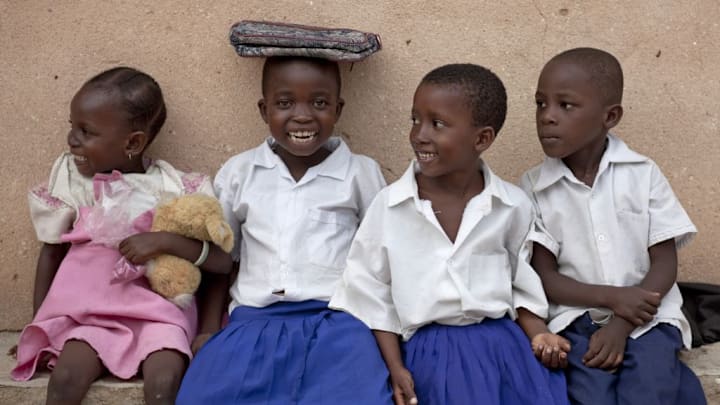
In early 1962, an uncontrollable wave of laughter swept through a small community in Tanganyika (modern-day Tanzania) in East Africa. This strange occurrence had nothing to do with disease, politics, or disaster (at least not in the way anyone expected).
It started with laughter. Not the kind that comes from jokes or collective amusement, but sudden, unstoppable bursts that seemed to consume people without warning. And once it began, it spread.
What followed would become known as the Tanganyika Laughter Epidemic, an event that turned schools and communities into chaotic environments and left doctors struggling to find explanations that simply weren't available at the time.
Let’s rewind to the 1960s and uncover the story (and the science) of the Tanganyika Laughing Epidemic.
WHAT HAPPENED

The first recorded case appeared in January 1962 at a girls' boarding school in Kashasha, near Lake Victoria. A few students suddenly began laughing during class, in a way that felt completely out of place. It wasn't brief or easily dismissed. The episodes dragged on, sometimes returning, as if the girls had lost all ability to stop. Soon, the pattern spread. More students experienced the same uncontrollable reactions until the entire school was enveloped in one big laughing fit.
Within a short time, the outbreak took over a large portion of the student body. Lessons became impossible, not because of disruptions in the usual sense, but because the students physically could not maintain control over their reactions. Eventually, the school was forced to shut down. But instead of ending there, the problem followed the students home.
Once they returned to their villages, similar incidents began appearing in surrounding communities and other schools. The symptoms didn't stay limited to laughter either. Some people experienced crying, sudden panic, irritability, and even fainting spells. This led to the closure of multiple schools and caused entire communities to become disoriented.
After several months, the laughing eventually ceased, and things returned to "normal."
WHY IT HAPPENED

Understandably, health officials searched for a physical cause. Early theories focused on possible infections, environmental factors, or perhaps a food-related toxin. Repeated examinations and analyses failed to reveal any biological explanation. There was no single illness or contaminant tying any of the cases together.
Over time, researchers began describing the outbreak as an example of mass psychogenic illness, a phenomenon where emotional stress spreads through groups in a way that produces very real physical symptoms, even though there is no infectious agent behind it. The experience is not imagined; people genuinely feel what is happening, but the trigger is psychological rather than biological.
Considering the circumstances, it’s easier to see how this odd phenomenon spread across the region. The country had recently undergone a major political shift after independence, and daily life was changing rapidly. In schools, students were under strict routines and academic pressure, often in highly disciplined environments. Researchers later suggested that the laughter may have been an involuntary release of accumulated tension that moved through tightly connected social groups.
These kinds of episodes tend to appear in settings where people are closely linked and under stress, especially among young students. Once symptoms begin in a few individuals, they can spread rapidly through observation and anxiety, influencing the behavior of a larger group.
CONTAGIOUS LAUGHTER, COLLECTIVE STRESS

What makes the Tanganyika outbreak so unsettling is how ordinary laughter became something disruptive and uncontrollable. It stripped away its usual meaning and turned into a sign of strain rather than joy.
People weren't laughing because something was funny; they were caught in a chain reaction that they literally could not break.
The 1962 Tanganyika Laughing Epidemic exists as one of the most unusual documented cases of collective behavior under stress, and a true testament to the power of human emotions.