%20%20--%3E%0A%3Csvg%20version%3D%221.1%22%20id%3D%22Layer_1%22%20xmlns%3D%22http%3A%2F%2Fwww.w3.org%2F2000%2Fsvg%22%20xmlns%3Axlink%3D%22http%3A%2F%2Fwww.w3.org%2F1999%2Fxlink%22%20x%3D%220px%22%20y%3D%220px%22%0A%09%20viewBox%3D%220%200%20684.6%2068.1%22%20style%3D%22enable-background%3Anew%200%200%20684.6%2068.1%3B%22%20xml%3Aspace%3D%22preserve%22%3E%0A%3Cg%3E%0A%09%3Cpath%20d%3D%22M444.1%2C29.3h-17.4v14.5h17.4V29.3z%20M36.4%2C68.1l29.3-50.8V0H50.4L32.9%2C36.8L15.5%2C0H0v68.1h16.7V45.8l12.4%2C22.3H36.4z%0A%09%09%20M49.1%2C68.1h16.6V23.4L49.1%2C52.1V68.1z%20M76.6%2C68.1h45V53.8H93.3V41.6h21V27.1h-21V14.8h28.3V0.1h-45V68.1z%20M175.6%2C68.1h17.3v-68%0A%09%09h-16.5v40.3L150%2C0.1h-17.6v68h16.7V27.7L175.6%2C68.1z%20M235.8%2C14.8h15.4V0.1h-47.4v14.7H219v53.2h16.8V14.8z%20M290.3%2C45.9h-17.1%0A%09%09l7.5-15.6h2L290.3%2C45.9z%20M298.7%2C68.1h18l-32.2-68h-5.7l-32%2C68h18l3.3-7.1h27.1L298.7%2C68.1z%20M325.2%2C68.1h46.2V53.8h-29.6V0.1h-16.7%0A%09%09V68.1z%20M423.7%2C14.8h27.2V0.1H407v68h16.7V14.8z%20M462%2C68.1h46.2V53.8h-29.6V0.1H462V68.1z%20M564.8%2C34.1c0%2C10.7-7.2%2C19.2-18.5%2C19.2%0A%09%09c-11.4%2C0-18.5-8.5-18.5-19.2s7.1-19.2%2C18.5-19.2C557.6%2C14.9%2C564.8%2C23.4%2C564.8%2C34.1%20M580.6%2C34.1c0-19-14.2-34-34.3-34%0A%09%09c-20.2%2C0-34.3%2C15-34.3%2C34c0%2C19%2C14.1%2C34%2C34.3%2C34C566.4%2C68.1%2C580.6%2C53.1%2C580.6%2C34.1%20M604.8%2C20.5c0-4.1%2C3.3-6.2%2C6.7-6.2%0A%09%09c4.4%2C0%2C6.6%2C3%2C6.6%2C6.6h14.7C631.8%2C9.1%2C625.1%2C0.1%2C611%2C0.1c-12%2C0-21.7%2C9.3-21.7%2C20.6c0%2C10.9%2C5.9%2C15.9%2C16.7%2C19.8%0A%09%09c5.2%2C1.8%2C11.5%2C3.2%2C11.5%2C8c0%2C3.3-2.4%2C5.5-6.4%2C5.5c-3.6%2C0-6.6-3-6.6-6.7h-15.2c0%2C11.5%2C7.9%2C20.8%2C21.8%2C20.8c12%2C0%2C21.6-9.3%2C21.6-20.6%0A%09%09c0-10-5.3-16.4-16.7-19.8C610.6%2C26.1%2C604.8%2C25.3%2C604.8%2C20.5%20M670%2C20.9h14.7C683.8%2C9.1%2C677.1%2C0.1%2C663%2C0.1c-12%2C0-21.7%2C9.3-21.7%2C20.6%0A%09%09c0%2C10.9%2C5.9%2C15.9%2C16.7%2C19.8c5.2%2C1.8%2C11.5%2C3.2%2C11.5%2C8c0%2C3.3-2.4%2C5.5-6.4%2C5.5c-3.6%2C0-6.6-3-6.6-6.7h-15.2c0%2C11.5%2C7.9%2C20.8%2C21.8%2C20.8%0A%09%09c12%2C0%2C21.6-9.3%2C21.6-20.6c0-10-5.3-16.4-16.7-19.8c-5.4-1.6-11.3-2.4-11.3-7.2c0-4.1%2C3.3-6.2%2C6.7-6.2C667.7%2C14.4%2C670%2C17.3%2C670%2C20.9%0A%09%09%22%2F%3E%0A%3C%2Fg%3E%0A%3C%2Fsvg%3E%0A)

Things that are normal or polite in one culture can be considered strange or rude in another. In Iraq, giving a thumbs up is seen as an insult. You also shouldn’t shake hands with your left hand while in India, or show the bottom of your shoes to someone in South Korea.
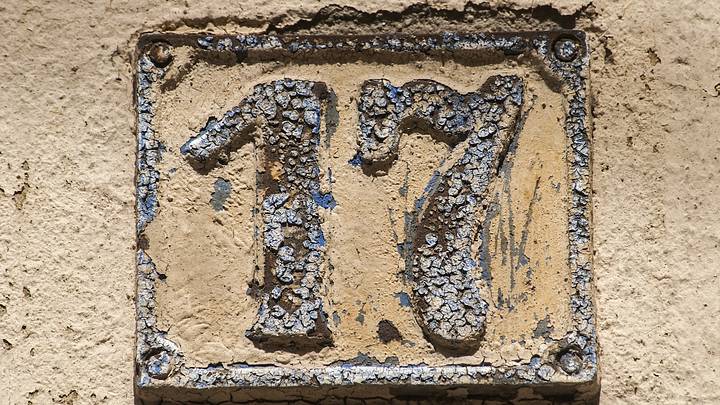
Many European countries consider 13 an unlucky number. But in Italy, 13 has no negative connotations whatsoever. There, it’s 17 that makes people uneasy. Friday the 17th is known as un giorno nero or "black day," football clubs avoid playing on the 17th, and many hotels have room numbers that jump from 16 to 18. Why?
Don’t Blame the Vatican
You might think it’s a Catholic thing, but this is not the case. While some biblical associations are foreboding—the Great Flood is said to have taken place on the 17th day of the second month—others are neutral or positive, like how Jesus’ disciples catch the total of the first 17 numbers when he appears to them after his resurrection.
Moreover, if Catholicism is the reason for 17’s bad reputation, then this reputation should extend to other Catholic countries like Mexico or the Philippines, which is not the case.
The Fatal Anagram

Instead, it appears the origins of this superstition go back to ancient Rome. In Latin numerals, 17 would have been written as XVII, which when transcribed into Latin letters would have read as VIXI, an expression that means "I have lived" or "my life is over."
While this could explain present-day superstition, we do not know if the Romans themselves considered 17 unlucky. Unlike modern airlines and hotels, many ancient texts include 17th chapters. The armies of Julius Caesar, Pompey the Great, and Caesar Augustus also included a 17th legion. Augustus’ was among the three legions wiped out by Germanic tribes during the Battle of the Teutoburg Forest. This defeat, one of the worst defeats in Roman history, may also be a factor in this story.
It’s not unthinkable that ancient Romans would have felt similarly about 17 as Italians do today. Roman society was deeply superstitious when it came to numbers, and many of those superstitions—like 7 being linked with luck—are still with the West today.
Not Unlucky Everywhere
We do know that 17 had a different, positive connotation to the ancient Greeks. Or, at least, some ancient Greeks. The Pythagoreans—philosophers who coalesced around the legacy of Pythagoras—believed that the end of the world would see the resurrection of 17 souls. The number also featured prominently in their theory of musica universalis, on the movement of celestial bodies.
The same goes for certain enclaves of Islam. Early Shiites worshipped the number 17, possibly for the same reasons as the Pythagoreans. There are 17 rak’a or liturgical gestures in the five daily prayers, and 17 words in the call to prayer.