%20%20--%3E%0A%3Csvg%20version%3D%221.1%22%20id%3D%22Layer_1%22%20xmlns%3D%22http%3A%2F%2Fwww.w3.org%2F2000%2Fsvg%22%20xmlns%3Axlink%3D%22http%3A%2F%2Fwww.w3.org%2F1999%2Fxlink%22%20x%3D%220px%22%20y%3D%220px%22%0A%09%20viewBox%3D%220%200%20684.6%2068.1%22%20style%3D%22enable-background%3Anew%200%200%20684.6%2068.1%3B%22%20xml%3Aspace%3D%22preserve%22%3E%0A%3Cg%3E%0A%09%3Cpath%20d%3D%22M444.1%2C29.3h-17.4v14.5h17.4V29.3z%20M36.4%2C68.1l29.3-50.8V0H50.4L32.9%2C36.8L15.5%2C0H0v68.1h16.7V45.8l12.4%2C22.3H36.4z%0A%09%09%20M49.1%2C68.1h16.6V23.4L49.1%2C52.1V68.1z%20M76.6%2C68.1h45V53.8H93.3V41.6h21V27.1h-21V14.8h28.3V0.1h-45V68.1z%20M175.6%2C68.1h17.3v-68%0A%09%09h-16.5v40.3L150%2C0.1h-17.6v68h16.7V27.7L175.6%2C68.1z%20M235.8%2C14.8h15.4V0.1h-47.4v14.7H219v53.2h16.8V14.8z%20M290.3%2C45.9h-17.1%0A%09%09l7.5-15.6h2L290.3%2C45.9z%20M298.7%2C68.1h18l-32.2-68h-5.7l-32%2C68h18l3.3-7.1h27.1L298.7%2C68.1z%20M325.2%2C68.1h46.2V53.8h-29.6V0.1h-16.7%0A%09%09V68.1z%20M423.7%2C14.8h27.2V0.1H407v68h16.7V14.8z%20M462%2C68.1h46.2V53.8h-29.6V0.1H462V68.1z%20M564.8%2C34.1c0%2C10.7-7.2%2C19.2-18.5%2C19.2%0A%09%09c-11.4%2C0-18.5-8.5-18.5-19.2s7.1-19.2%2C18.5-19.2C557.6%2C14.9%2C564.8%2C23.4%2C564.8%2C34.1%20M580.6%2C34.1c0-19-14.2-34-34.3-34%0A%09%09c-20.2%2C0-34.3%2C15-34.3%2C34c0%2C19%2C14.1%2C34%2C34.3%2C34C566.4%2C68.1%2C580.6%2C53.1%2C580.6%2C34.1%20M604.8%2C20.5c0-4.1%2C3.3-6.2%2C6.7-6.2%0A%09%09c4.4%2C0%2C6.6%2C3%2C6.6%2C6.6h14.7C631.8%2C9.1%2C625.1%2C0.1%2C611%2C0.1c-12%2C0-21.7%2C9.3-21.7%2C20.6c0%2C10.9%2C5.9%2C15.9%2C16.7%2C19.8%0A%09%09c5.2%2C1.8%2C11.5%2C3.2%2C11.5%2C8c0%2C3.3-2.4%2C5.5-6.4%2C5.5c-3.6%2C0-6.6-3-6.6-6.7h-15.2c0%2C11.5%2C7.9%2C20.8%2C21.8%2C20.8c12%2C0%2C21.6-9.3%2C21.6-20.6%0A%09%09c0-10-5.3-16.4-16.7-19.8C610.6%2C26.1%2C604.8%2C25.3%2C604.8%2C20.5%20M670%2C20.9h14.7C683.8%2C9.1%2C677.1%2C0.1%2C663%2C0.1c-12%2C0-21.7%2C9.3-21.7%2C20.6%0A%09%09c0%2C10.9%2C5.9%2C15.9%2C16.7%2C19.8c5.2%2C1.8%2C11.5%2C3.2%2C11.5%2C8c0%2C3.3-2.4%2C5.5-6.4%2C5.5c-3.6%2C0-6.6-3-6.6-6.7h-15.2c0%2C11.5%2C7.9%2C20.8%2C21.8%2C20.8%0A%09%09c12%2C0%2C21.6-9.3%2C21.6-20.6c0-10-5.3-16.4-16.7-19.8c-5.4-1.6-11.3-2.4-11.3-7.2c0-4.1%2C3.3-6.2%2C6.7-6.2C667.7%2C14.4%2C670%2C17.3%2C670%2C20.9%0A%09%09%22%2F%3E%0A%3C%2Fg%3E%0A%3C%2Fsvg%3E%0A)

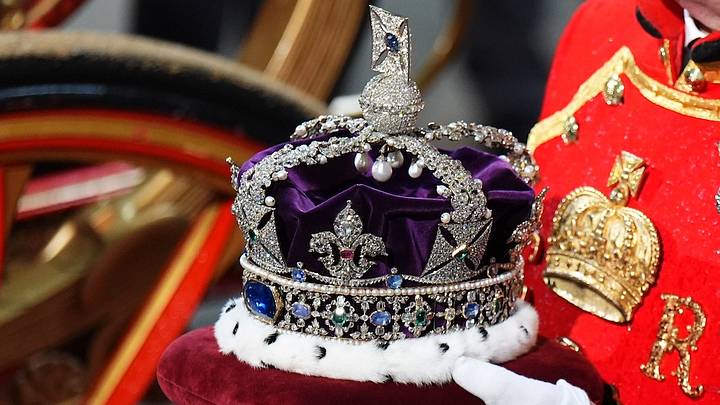
Henry VIII was well known for his hot temper, but in 1547 the English nobleman and poet Henry Howard, the Earl of Surrey, fell afoul of perhaps one of his most curious fits of pique. Howard was charged with high treason, the result of longstanding hostilities with the rival Seymour family. Part of the evidence brought against him, however, was that he had been spotted wearing purple—a color that King Henry believed only he should be allowed to wear.
A Color Reserved for Royalty

Throughout history, purple has long been associated with royalty and power, and not just by the kings of England. In ancient China, purple was associated with many high-ranking positions and was therefore rarely worn by ordinary people. The Maya too used purple in their ceremonial robes.
In Rome, a sumptuary law was passed that prohibited all but the most elite citizens from wearing purple clothing; when the King of Mauretania turned up in Rome in AD 40 wearing a bright purple cloak, the emperor Caligula was reportedly so incensed that he had been sartorially upstaged that he had the king assassinated. And Elizabeth I gamely followed in her father’s footsteps by ensuring only she and her royal household could wear purple.
But why has purple had such an obviously longstanding association with power and prestige? Oddly, the answer here has less to do with how bright, how pleasing to the eye, or how impressive a purple fabric might look, and more to do with how that color is actually achieved.
A Secret Ingredient from the Sea

Historically, the principal way of making purple dye in the ancient world was by harvesting a particular kind of predatory murex sea snail. Depending on the size and precise species involved, once the snails had been collected—either picked by hand from seas and tide pools, or else caught in traps, often using cockles as bait—the snails’ slimy mucus, entrails, or sometimes their entire bodies and shells would be painstakingly harvested, prepared, and ground up one by one.
Although Pliny the Elder wrote at great length about the production of purple from harvested snails, the precise method of how this rather colorless slime was then made into a striking purple dye was a closely guarded secret, and as such remains something of a mystery even today. But no matter how the dye itself was actually made, its production appears to have been particularly centered around the ancient city of Tyre, in Phoenicia, where production began around 3,500 years ago. As a result, the finest purple dye in the ancient world became known as Tyrian purple.
Why the Process Made It Pricey

We might not know precisely how the Phoenicians were making their purple dye, but we can assume that it was a long, technical, intensive, and time-consuming process—and as a result, the dye that could be yielded by harvesting and preparing the snails became an understandably very expensive product. Items colored with the dye could therefore only be afforded by the very wealthiest or most powerful of people in the ancient world, and therefore the color naturally became a symbol of status and prestige.
Even after new, relatively less expensive methods of preparing purple dyes were developed, this association endured and purple retained its royal and regal connections down through the centuries.