%20%20--%3E%0A%3Csvg%20version%3D%221.1%22%20id%3D%22Layer_1%22%20xmlns%3D%22http%3A%2F%2Fwww.w3.org%2F2000%2Fsvg%22%20xmlns%3Axlink%3D%22http%3A%2F%2Fwww.w3.org%2F1999%2Fxlink%22%20x%3D%220px%22%20y%3D%220px%22%0A%09%20viewBox%3D%220%200%20684.6%2068.1%22%20style%3D%22enable-background%3Anew%200%200%20684.6%2068.1%3B%22%20xml%3Aspace%3D%22preserve%22%3E%0A%3Cg%3E%0A%09%3Cpath%20d%3D%22M444.1%2C29.3h-17.4v14.5h17.4V29.3z%20M36.4%2C68.1l29.3-50.8V0H50.4L32.9%2C36.8L15.5%2C0H0v68.1h16.7V45.8l12.4%2C22.3H36.4z%0A%09%09%20M49.1%2C68.1h16.6V23.4L49.1%2C52.1V68.1z%20M76.6%2C68.1h45V53.8H93.3V41.6h21V27.1h-21V14.8h28.3V0.1h-45V68.1z%20M175.6%2C68.1h17.3v-68%0A%09%09h-16.5v40.3L150%2C0.1h-17.6v68h16.7V27.7L175.6%2C68.1z%20M235.8%2C14.8h15.4V0.1h-47.4v14.7H219v53.2h16.8V14.8z%20M290.3%2C45.9h-17.1%0A%09%09l7.5-15.6h2L290.3%2C45.9z%20M298.7%2C68.1h18l-32.2-68h-5.7l-32%2C68h18l3.3-7.1h27.1L298.7%2C68.1z%20M325.2%2C68.1h46.2V53.8h-29.6V0.1h-16.7%0A%09%09V68.1z%20M423.7%2C14.8h27.2V0.1H407v68h16.7V14.8z%20M462%2C68.1h46.2V53.8h-29.6V0.1H462V68.1z%20M564.8%2C34.1c0%2C10.7-7.2%2C19.2-18.5%2C19.2%0A%09%09c-11.4%2C0-18.5-8.5-18.5-19.2s7.1-19.2%2C18.5-19.2C557.6%2C14.9%2C564.8%2C23.4%2C564.8%2C34.1%20M580.6%2C34.1c0-19-14.2-34-34.3-34%0A%09%09c-20.2%2C0-34.3%2C15-34.3%2C34c0%2C19%2C14.1%2C34%2C34.3%2C34C566.4%2C68.1%2C580.6%2C53.1%2C580.6%2C34.1%20M604.8%2C20.5c0-4.1%2C3.3-6.2%2C6.7-6.2%0A%09%09c4.4%2C0%2C6.6%2C3%2C6.6%2C6.6h14.7C631.8%2C9.1%2C625.1%2C0.1%2C611%2C0.1c-12%2C0-21.7%2C9.3-21.7%2C20.6c0%2C10.9%2C5.9%2C15.9%2C16.7%2C19.8%0A%09%09c5.2%2C1.8%2C11.5%2C3.2%2C11.5%2C8c0%2C3.3-2.4%2C5.5-6.4%2C5.5c-3.6%2C0-6.6-3-6.6-6.7h-15.2c0%2C11.5%2C7.9%2C20.8%2C21.8%2C20.8c12%2C0%2C21.6-9.3%2C21.6-20.6%0A%09%09c0-10-5.3-16.4-16.7-19.8C610.6%2C26.1%2C604.8%2C25.3%2C604.8%2C20.5%20M670%2C20.9h14.7C683.8%2C9.1%2C677.1%2C0.1%2C663%2C0.1c-12%2C0-21.7%2C9.3-21.7%2C20.6%0A%09%09c0%2C10.9%2C5.9%2C15.9%2C16.7%2C19.8c5.2%2C1.8%2C11.5%2C3.2%2C11.5%2C8c0%2C3.3-2.4%2C5.5-6.4%2C5.5c-3.6%2C0-6.6-3-6.6-6.7h-15.2c0%2C11.5%2C7.9%2C20.8%2C21.8%2C20.8%0A%09%09c12%2C0%2C21.6-9.3%2C21.6-20.6c0-10-5.3-16.4-16.7-19.8c-5.4-1.6-11.3-2.4-11.3-7.2c0-4.1%2C3.3-6.2%2C6.7-6.2C667.7%2C14.4%2C670%2C17.3%2C670%2C20.9%0A%09%09%22%2F%3E%0A%3C%2Fg%3E%0A%3C%2Fsvg%3E%0A)

In 2026, you can turn almost anything into cash—even your own name. Celebrities and entrepreneurs have long trademarked their names or brands, and now college athletes are joining the trend. Thanks to a new policy in college sports, students can profit from their own identities in ways that weren’t possible before. It all starts with an acronym that’s been popping up everywhere: NIL.
What "NIL" Stands For
“NIL” stands for three key components of a college athlete’s identity: name, image, and likeness. For years, student-athletes had little control over their image or the deals they could make from it. That all changed when the NCAA rolled out its NIL policy in 2021. The term refers to an athlete’s ability to control how their name and image are used—and to earn money from it, including sponsorships tied to photos, videos, or their public persona.
How NIL Works

Understanding NIL is simple; knowing how it works is where things gets interesting. From endorsements to online fame, it’s changing the way student-athletes earn. Before NIL was implemented, when an athlete signed with a college sports team, they were prohibited from profiting from their newfound fame. Now, student-athletes can capitalize on brand deals and social media campaigns thanks to a legal principle called the right of publicity, which lets athletes determine how their identities are used for commercial purposes.
But it's not a free-for-all: school rules and state laws still apply. Most colleges require athletes to report deals, and some even need school approval before signing, while state laws generally focus on keeping these deals from influencing recruiting. NIL also protects student-athletes from some of the side effects of stardom. If a business promotes a product using an athlete’s image or name without consent, the athlete can claim a NIL rights violation.
A New Playbook
Clout isn’t the only thing college athletes earn from their performance on the field—thanks to NIL, they can also make millions, far more than the typical college student. NIL deals come in many forms: some athletes work with collectives that negotiate opportunities on their behalf, while others are paid for appearances, signings, or social media promotion. Collectives can also connect athletes directly with brands or arrange group licensing deals, splitting profits among teammates. The type of deal depends on the athlete and the collective they team up with, covering everything from energy drinks to activewear brands.
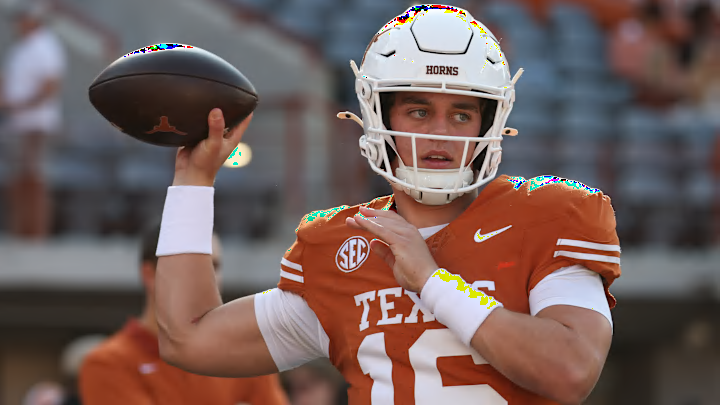
The highest-valued college athlete in the country, Texas quarterback Arch Manning, is estimated to be worth $5.3 million through deals with companies like Uber, Waymo, and Vuori. The deals don’t discriminate by position or performance. Across the country, Ohio State wide receiver Jeremiah Smith ranks third, valued at $4.2 million. The big-name brands adding to his paycheck include Nintendo, Adidas, and Lululemon.
Here’s a look at the top 10 college athletes making the most from NIL deals in 2026:
Ranking | Player | Sport/Position | School | NIL Valuation |
|---|---|---|---|---|
1 | Arch Manning | Football: Quarterback | Texas | $5.4 million |
2 | AJ Dybantsa | Basketball: Forward | BYU | $4.2 million |
3 | Jeremiah Smith | Football: Wide Receiver | Ohio State | $4.2 million |
4 | Sam Leavitt | Football: Quarterback | Arizona State | $4 million |
5 | Brendan Sorsby | Football: Quarterback | Texas Tech | $3.1 million |
6 | Bryce Underwood | Football: Quarterback | Michigan | $3.1 million |
7 | Dante Moore | Football: Quarterback | Oregon | $3 million |
8 | JT Toppin | Basketball: Forward | Texas Tech | $2.9 million |
9 | Cam Coleman | Football: Wide Receiver | Texas | $2.9 million |
10 | LaNorris Sellers | Football: Quarterback | South Carolina | $2.7 million |