%20%20--%3E%0A%3Csvg%20version%3D%221.1%22%20id%3D%22Layer_1%22%20xmlns%3D%22http%3A%2F%2Fwww.w3.org%2F2000%2Fsvg%22%20xmlns%3Axlink%3D%22http%3A%2F%2Fwww.w3.org%2F1999%2Fxlink%22%20x%3D%220px%22%20y%3D%220px%22%0A%09%20viewBox%3D%220%200%20684.6%2068.1%22%20style%3D%22enable-background%3Anew%200%200%20684.6%2068.1%3B%22%20xml%3Aspace%3D%22preserve%22%3E%0A%3Cg%3E%0A%09%3Cpath%20d%3D%22M444.1%2C29.3h-17.4v14.5h17.4V29.3z%20M36.4%2C68.1l29.3-50.8V0H50.4L32.9%2C36.8L15.5%2C0H0v68.1h16.7V45.8l12.4%2C22.3H36.4z%0A%09%09%20M49.1%2C68.1h16.6V23.4L49.1%2C52.1V68.1z%20M76.6%2C68.1h45V53.8H93.3V41.6h21V27.1h-21V14.8h28.3V0.1h-45V68.1z%20M175.6%2C68.1h17.3v-68%0A%09%09h-16.5v40.3L150%2C0.1h-17.6v68h16.7V27.7L175.6%2C68.1z%20M235.8%2C14.8h15.4V0.1h-47.4v14.7H219v53.2h16.8V14.8z%20M290.3%2C45.9h-17.1%0A%09%09l7.5-15.6h2L290.3%2C45.9z%20M298.7%2C68.1h18l-32.2-68h-5.7l-32%2C68h18l3.3-7.1h27.1L298.7%2C68.1z%20M325.2%2C68.1h46.2V53.8h-29.6V0.1h-16.7%0A%09%09V68.1z%20M423.7%2C14.8h27.2V0.1H407v68h16.7V14.8z%20M462%2C68.1h46.2V53.8h-29.6V0.1H462V68.1z%20M564.8%2C34.1c0%2C10.7-7.2%2C19.2-18.5%2C19.2%0A%09%09c-11.4%2C0-18.5-8.5-18.5-19.2s7.1-19.2%2C18.5-19.2C557.6%2C14.9%2C564.8%2C23.4%2C564.8%2C34.1%20M580.6%2C34.1c0-19-14.2-34-34.3-34%0A%09%09c-20.2%2C0-34.3%2C15-34.3%2C34c0%2C19%2C14.1%2C34%2C34.3%2C34C566.4%2C68.1%2C580.6%2C53.1%2C580.6%2C34.1%20M604.8%2C20.5c0-4.1%2C3.3-6.2%2C6.7-6.2%0A%09%09c4.4%2C0%2C6.6%2C3%2C6.6%2C6.6h14.7C631.8%2C9.1%2C625.1%2C0.1%2C611%2C0.1c-12%2C0-21.7%2C9.3-21.7%2C20.6c0%2C10.9%2C5.9%2C15.9%2C16.7%2C19.8%0A%09%09c5.2%2C1.8%2C11.5%2C3.2%2C11.5%2C8c0%2C3.3-2.4%2C5.5-6.4%2C5.5c-3.6%2C0-6.6-3-6.6-6.7h-15.2c0%2C11.5%2C7.9%2C20.8%2C21.8%2C20.8c12%2C0%2C21.6-9.3%2C21.6-20.6%0A%09%09c0-10-5.3-16.4-16.7-19.8C610.6%2C26.1%2C604.8%2C25.3%2C604.8%2C20.5%20M670%2C20.9h14.7C683.8%2C9.1%2C677.1%2C0.1%2C663%2C0.1c-12%2C0-21.7%2C9.3-21.7%2C20.6%0A%09%09c0%2C10.9%2C5.9%2C15.9%2C16.7%2C19.8c5.2%2C1.8%2C11.5%2C3.2%2C11.5%2C8c0%2C3.3-2.4%2C5.5-6.4%2C5.5c-3.6%2C0-6.6-3-6.6-6.7h-15.2c0%2C11.5%2C7.9%2C20.8%2C21.8%2C20.8%0A%09%09c12%2C0%2C21.6-9.3%2C21.6-20.6c0-10-5.3-16.4-16.7-19.8c-5.4-1.6-11.3-2.4-11.3-7.2c0-4.1%2C3.3-6.2%2C6.7-6.2C667.7%2C14.4%2C670%2C17.3%2C670%2C20.9%0A%09%09%22%2F%3E%0A%3C%2Fg%3E%0A%3C%2Fsvg%3E%0A)

You may have heard the term “gaslighting” being thrown around online in recent years. The word was actually Merriam-Webster’s Word of the Year in 2022, but its origins date back many years prior.
This word “gaslighting” has its source in a popular 1938 play called Gas Light, but over the years, the term has slowly become one of the most commonly used terms for a specific and insidious form of emotional abuse.
What Is Gaslighting in Relationships?

According to Merriam-Webster, gaslighting is a form of “psychological manipulation of a person usually over an extended period of time that causes the victim to question the validity of their own thoughts, perception of reality, or memories.” Put more simply, it is also “the act or practice of grossly misleading someone especially for one's own advantage,” according to the dictionary.
In essence, gaslighting is a way of convincing someone to discount their own experiences. This is a common tactic in abusive and coercive relationships, wherein the gaslighter might deny a partner’s feelings or even their recollections of events in an effort to convince the victim that there really aren’t any problems, or that the abuse is not happening.
According to the Western Center for Research & Education on Violence Against Women & Children, “gaslighting is a coercive control tactic that shifts the focus of concern from the partner’s abusive behavior to the supposed emotional and psychological instability of the survivor.”
When Does Gaslighting Happen?

Gaslighting doesn’t only take place in romantic relationships. It can occur between anyone—friends, a parent and a child, or a teacher and a student. Common phrases used to gaslight people might include “you’re overreacting” or “you need to lighten up” in a situation where abuse is happening.
These phrases aren’t necessarily examples of gaslighting in and of themselves—but when they’re deployed as ways to make people doubt and question their own realities and experiences, that’s when they start to fall into this category.
Gaslighting can lead people to become isolated, confused, and full of doubt. It can also cause people to stay in unhealthy relationships for longer periods of time.
If you are being gaslit in a relationship, resources are available. The Western Center for Research & Education on Violence Against Women & Children advises sharing your concerns with others, connecting with friends and family, recording and documenting your partner’s words and behavior, and, if necessary, reaching out to a local domestic violence center.
What Gaslighting Is Not

As the term “gaslighting” has become more common over the years, it has frequently been used to describe situations that may not fall under this category. Incorrectly using “gaslighting” can dilute the term’s real meaning.
According to Psychology Today, many psychologists describe gaslighting as a pattern of “intentional” behavior meant to achieve some kind of motive. While the gaslighter may not know that they are manipulating someone, they do often stand to gain something by gaslighting—whether it’s keeping a partner in a relationship or achieving some kind of financial or strategic goal. However, a simple disagreement is not an example of gaslighting, and nor is someone having a different viewpoint.
“When identifying gaslighting, look for a pattern (i.e., one time is not enough), and for behavior that seems intentional or malicious (think ‘No, you are overreacting because you are too sensitive, it didn’t happen that way’),” psychologist Ahona Guha told Upworthy.
The Origins of the Word “Gaslighting”
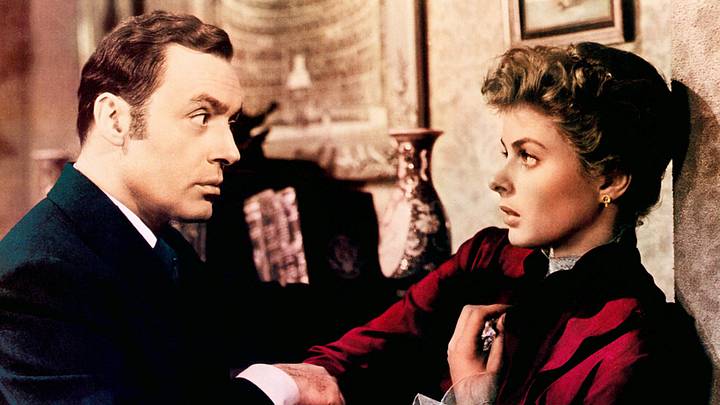
The word “gaslighting” comes from a 1938 play called Gas Light by British playwright Patrick Hamilton. The story is set in the 1880s, and it follows a husband named Jack who successfully convinces his wife Bella that she is going insane by subtly and covertly altering their reality.
One of the tactics he uses is dimming the gaslights saround their house, then denying that he did so. He also flirts with women and then tells Bella she is “reading into everything,” hides her possessions and lies about it, and switches between kindness and coldness. Ultimately, it is revealed that Jack is actually a jewel thief, and his goal was always to drive Bella insane so he could have her institutionalized and then successfully find a cache of jewels lost in her murdered aunt’s house.
The play was a major success, receiving glowing reviews. It has been adapted for the screen several times, though the most famous may be its 1944 adaptation, which stars Ingrid Bergman.