%20%20--%3E%0A%3Csvg%20version%3D%221.1%22%20id%3D%22Layer_1%22%20xmlns%3D%22http%3A%2F%2Fwww.w3.org%2F2000%2Fsvg%22%20xmlns%3Axlink%3D%22http%3A%2F%2Fwww.w3.org%2F1999%2Fxlink%22%20x%3D%220px%22%20y%3D%220px%22%0A%09%20viewBox%3D%220%200%20684.6%2068.1%22%20style%3D%22enable-background%3Anew%200%200%20684.6%2068.1%3B%22%20xml%3Aspace%3D%22preserve%22%3E%0A%3Cg%3E%0A%09%3Cpath%20d%3D%22M444.1%2C29.3h-17.4v14.5h17.4V29.3z%20M36.4%2C68.1l29.3-50.8V0H50.4L32.9%2C36.8L15.5%2C0H0v68.1h16.7V45.8l12.4%2C22.3H36.4z%0A%09%09%20M49.1%2C68.1h16.6V23.4L49.1%2C52.1V68.1z%20M76.6%2C68.1h45V53.8H93.3V41.6h21V27.1h-21V14.8h28.3V0.1h-45V68.1z%20M175.6%2C68.1h17.3v-68%0A%09%09h-16.5v40.3L150%2C0.1h-17.6v68h16.7V27.7L175.6%2C68.1z%20M235.8%2C14.8h15.4V0.1h-47.4v14.7H219v53.2h16.8V14.8z%20M290.3%2C45.9h-17.1%0A%09%09l7.5-15.6h2L290.3%2C45.9z%20M298.7%2C68.1h18l-32.2-68h-5.7l-32%2C68h18l3.3-7.1h27.1L298.7%2C68.1z%20M325.2%2C68.1h46.2V53.8h-29.6V0.1h-16.7%0A%09%09V68.1z%20M423.7%2C14.8h27.2V0.1H407v68h16.7V14.8z%20M462%2C68.1h46.2V53.8h-29.6V0.1H462V68.1z%20M564.8%2C34.1c0%2C10.7-7.2%2C19.2-18.5%2C19.2%0A%09%09c-11.4%2C0-18.5-8.5-18.5-19.2s7.1-19.2%2C18.5-19.2C557.6%2C14.9%2C564.8%2C23.4%2C564.8%2C34.1%20M580.6%2C34.1c0-19-14.2-34-34.3-34%0A%09%09c-20.2%2C0-34.3%2C15-34.3%2C34c0%2C19%2C14.1%2C34%2C34.3%2C34C566.4%2C68.1%2C580.6%2C53.1%2C580.6%2C34.1%20M604.8%2C20.5c0-4.1%2C3.3-6.2%2C6.7-6.2%0A%09%09c4.4%2C0%2C6.6%2C3%2C6.6%2C6.6h14.7C631.8%2C9.1%2C625.1%2C0.1%2C611%2C0.1c-12%2C0-21.7%2C9.3-21.7%2C20.6c0%2C10.9%2C5.9%2C15.9%2C16.7%2C19.8%0A%09%09c5.2%2C1.8%2C11.5%2C3.2%2C11.5%2C8c0%2C3.3-2.4%2C5.5-6.4%2C5.5c-3.6%2C0-6.6-3-6.6-6.7h-15.2c0%2C11.5%2C7.9%2C20.8%2C21.8%2C20.8c12%2C0%2C21.6-9.3%2C21.6-20.6%0A%09%09c0-10-5.3-16.4-16.7-19.8C610.6%2C26.1%2C604.8%2C25.3%2C604.8%2C20.5%20M670%2C20.9h14.7C683.8%2C9.1%2C677.1%2C0.1%2C663%2C0.1c-12%2C0-21.7%2C9.3-21.7%2C20.6%0A%09%09c0%2C10.9%2C5.9%2C15.9%2C16.7%2C19.8c5.2%2C1.8%2C11.5%2C3.2%2C11.5%2C8c0%2C3.3-2.4%2C5.5-6.4%2C5.5c-3.6%2C0-6.6-3-6.6-6.7h-15.2c0%2C11.5%2C7.9%2C20.8%2C21.8%2C20.8%0A%09%09c12%2C0%2C21.6-9.3%2C21.6-20.6c0-10-5.3-16.4-16.7-19.8c-5.4-1.6-11.3-2.4-11.3-7.2c0-4.1%2C3.3-6.2%2C6.7-6.2C667.7%2C14.4%2C670%2C17.3%2C670%2C20.9%0A%09%09%22%2F%3E%0A%3C%2Fg%3E%0A%3C%2Fsvg%3E%0A)

Customs, traditions, laws, and expectations can differ greatly from one country to another.
In some destinations, certain behaviors are frowned upon, while in others, the same conduct is completely acceptable. For instance, while collecting sand or shells from a beach is allowed in many countries, doing so in France is prohibited by the Environment Code and can result in fines of up to $1,730. Similarly, chewing gum and blowing bubbles might be a common sight on public transit across the globe, but in Singapore, these actions can result in a hefty fine or jail time.
The inconsistency of these laws worldwide means many travelers aren’t even aware they exist. Taking a few minutes to research local regulations before traveling can save you time, money and help you show respect to the people and customs of your destination.
For now, let's unpack seven obscure international laws you probably didn't know existed.
TRANSPORTING OVER-THE-COUNTER MEDICINE TO AND FROM JAPAN

It's actually illegal to bring many common prescription and over-the-counter (OTC) medicines into Japan. Products like Nyquil, Tylenol, Sudafed, and other decongestants or allergy medications are not permitted. Japan’s Pharmaceutical Affairs Law also bans certain prescriptions for ADHD and depression.
Even if you have a doctor’s note or prescription, many of these medications remain illegal. In fact, if you find them for sale in Japan, there’s a good chance they’re being sold on the black market. Packing these drugs in your suitcase, even unknowingly, could result in arrest by Japanese authorities.
SITTING ON FAMOUS STEPS IN ITALY

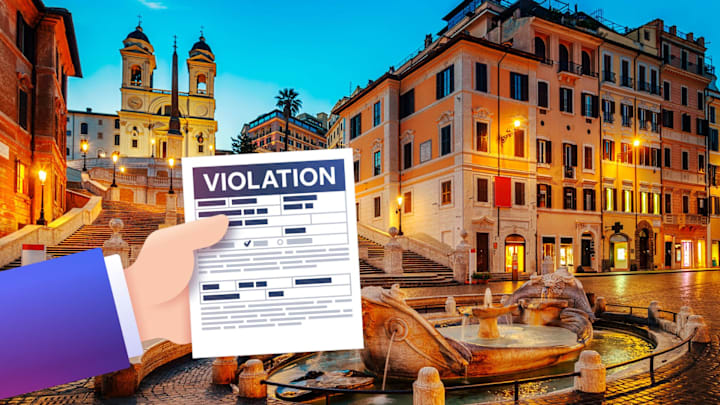
In Italy, specifically Rome, it's illegal to sit on the Spanish Steps. This iconic stretch of steps only became off-limits to sitters in 2019, after crowds of tourists resting or taking photos created congestion that made it difficult for people to walk on them. Roman authorities usually won’t fine or apprehend you right away if you’re caught sitting there.
First, they’ll blow a whistle and ask you to move. Refusing could result in a fine ranging from $185 to $460. Moral of the story: find a different place to take a break!
PUBLIC DISPLAYS OF AFFECTION IN THE UNITED ARAB EMIRATES

The United Arab Emirates has strict rules against public displays of affection. While many countries are famous for their romantic sites and couples posing for affectionate photos, the UAE is not one of them.
Article 411 of the country’s penal code considers PDA an "indecent act." According to the government, holding hands is acceptable, but hugging and kissing are illegal. Violators can be fined up to $270 and even face jail time. In one well-known case, two British friends greeted each other with a kiss on the cheek in 2010 and were jailed for a month.
WEARING CAMOUFLAGE CLOTHES IN THE CARIBBEAN

In the American South, camouflage clothing is everywhere, but in Jamaica and several other Caribbean nations, it’s actually illegal to wear this distinct pattern. Why?
Because many military and police uniforms in these countries are camouflage-patterned, it creates confusion if travelers wear similar attire. Violators can be fined up to $2,000 and may be asked to remove and surrender their clothing to authorities.
FEEDING PIGEONS IN AUSTRIA

In 2014, Vienna struggled with a pigeon problem, so Austria made it illegal to feed them. Public feeding led to overpopulation, with pigeons "breeding at higher rates." Not only can you be fined around $42 for feeding pigeons in Vienna, but you may also be harming the birds because human food isn’t good for them.
The law was enacted to address the overbreeding of pigeons and to reduce litter in the city, which also attracted rats.
WEARING SWIMWEAR OFF THE BEACH IN SPAIN

In Spain, it’s illegal to wear swimwear away from the beach. In Barcelona, it was once common for beachgoers to explore the city in their swimsuits. Since 2011, the city council has prohibited swimwear anywhere but the sand.
As with the Spanish Steps in Rome, violators are first warned by local law enforcement. If they refuse to cover up, it’s considered a public offense, and fines range from $140 to $580.
PACKING SOUVENIERS IN THAILAND

Picking out a souvenir to remember your trip is one of the most common things tourists do while traveling. In most countries, this is permitted and even encouraged. Thailand, however, is the exception.
Thai law requires written government permission to take certain souvenirs home, especially religious antiques and images of Buddha, such as wood carvings, posters, or even jewelry. Authorities will likely confiscate these items first, then issue a large fine, and there is potential for imprisonment.