%20%20--%3E%0A%3Csvg%20version%3D%221.1%22%20id%3D%22Layer_1%22%20xmlns%3D%22http%3A%2F%2Fwww.w3.org%2F2000%2Fsvg%22%20xmlns%3Axlink%3D%22http%3A%2F%2Fwww.w3.org%2F1999%2Fxlink%22%20x%3D%220px%22%20y%3D%220px%22%0A%09%20viewBox%3D%220%200%20684.6%2068.1%22%20style%3D%22enable-background%3Anew%200%200%20684.6%2068.1%3B%22%20xml%3Aspace%3D%22preserve%22%3E%0A%3Cg%3E%0A%09%3Cpath%20d%3D%22M444.1%2C29.3h-17.4v14.5h17.4V29.3z%20M36.4%2C68.1l29.3-50.8V0H50.4L32.9%2C36.8L15.5%2C0H0v68.1h16.7V45.8l12.4%2C22.3H36.4z%0A%09%09%20M49.1%2C68.1h16.6V23.4L49.1%2C52.1V68.1z%20M76.6%2C68.1h45V53.8H93.3V41.6h21V27.1h-21V14.8h28.3V0.1h-45V68.1z%20M175.6%2C68.1h17.3v-68%0A%09%09h-16.5v40.3L150%2C0.1h-17.6v68h16.7V27.7L175.6%2C68.1z%20M235.8%2C14.8h15.4V0.1h-47.4v14.7H219v53.2h16.8V14.8z%20M290.3%2C45.9h-17.1%0A%09%09l7.5-15.6h2L290.3%2C45.9z%20M298.7%2C68.1h18l-32.2-68h-5.7l-32%2C68h18l3.3-7.1h27.1L298.7%2C68.1z%20M325.2%2C68.1h46.2V53.8h-29.6V0.1h-16.7%0A%09%09V68.1z%20M423.7%2C14.8h27.2V0.1H407v68h16.7V14.8z%20M462%2C68.1h46.2V53.8h-29.6V0.1H462V68.1z%20M564.8%2C34.1c0%2C10.7-7.2%2C19.2-18.5%2C19.2%0A%09%09c-11.4%2C0-18.5-8.5-18.5-19.2s7.1-19.2%2C18.5-19.2C557.6%2C14.9%2C564.8%2C23.4%2C564.8%2C34.1%20M580.6%2C34.1c0-19-14.2-34-34.3-34%0A%09%09c-20.2%2C0-34.3%2C15-34.3%2C34c0%2C19%2C14.1%2C34%2C34.3%2C34C566.4%2C68.1%2C580.6%2C53.1%2C580.6%2C34.1%20M604.8%2C20.5c0-4.1%2C3.3-6.2%2C6.7-6.2%0A%09%09c4.4%2C0%2C6.6%2C3%2C6.6%2C6.6h14.7C631.8%2C9.1%2C625.1%2C0.1%2C611%2C0.1c-12%2C0-21.7%2C9.3-21.7%2C20.6c0%2C10.9%2C5.9%2C15.9%2C16.7%2C19.8%0A%09%09c5.2%2C1.8%2C11.5%2C3.2%2C11.5%2C8c0%2C3.3-2.4%2C5.5-6.4%2C5.5c-3.6%2C0-6.6-3-6.6-6.7h-15.2c0%2C11.5%2C7.9%2C20.8%2C21.8%2C20.8c12%2C0%2C21.6-9.3%2C21.6-20.6%0A%09%09c0-10-5.3-16.4-16.7-19.8C610.6%2C26.1%2C604.8%2C25.3%2C604.8%2C20.5%20M670%2C20.9h14.7C683.8%2C9.1%2C677.1%2C0.1%2C663%2C0.1c-12%2C0-21.7%2C9.3-21.7%2C20.6%0A%09%09c0%2C10.9%2C5.9%2C15.9%2C16.7%2C19.8c5.2%2C1.8%2C11.5%2C3.2%2C11.5%2C8c0%2C3.3-2.4%2C5.5-6.4%2C5.5c-3.6%2C0-6.6-3-6.6-6.7h-15.2c0%2C11.5%2C7.9%2C20.8%2C21.8%2C20.8%0A%09%09c12%2C0%2C21.6-9.3%2C21.6-20.6c0-10-5.3-16.4-16.7-19.8c-5.4-1.6-11.3-2.4-11.3-7.2c0-4.1%2C3.3-6.2%2C6.7-6.2C667.7%2C14.4%2C670%2C17.3%2C670%2C20.9%0A%09%09%22%2F%3E%0A%3C%2Fg%3E%0A%3C%2Fsvg%3E%0A)

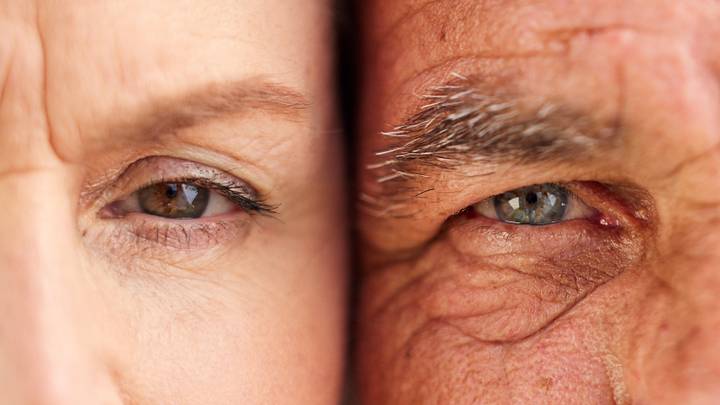
In today's world, growing older is commonly cast as something to resist rather than embrace. Aging is seen as the villain; every wrinkle fuels a crisis, and looking older has become a defining anxiety of the times.
An entire economy has been built around postponing the visible signs of aging. Serums and supplements line the shelves, and syringes are poised at the ready to inject us into a culture obsessed with looking youthful.
Yet beyond societies fixated on preventing wrinkles, erasing the marks of scowls, smiles, and every emotion in between, there are cultures that prioritize simple luxuries: slow mornings, meaningful connections, and diets full of foods that make them feel good, without relying on supplements or creams that promise to bottle the effect of these lifestyle choices.
You might think these two mindsets are worlds apart in their habits and priorities, but there is a middle ground, a bridge that connects them, if you will.
It's a combination of the quest for the fountain of youth and the consistent practice of simple daily habits that naturally slow our biological clocks, habits such as using UV protection, taking daily walks, getting adequate rest, prioritizing self-care, and managing stress. Maybe it's less about what you can buy to improve your skin or fill nutritional gaps, and more about building a life that feels good from the inside out. There's nothing wrong with wanting to look your best, but what if aging gracefully was as simple as shifting your diet and routine?
Here are 7 daily habits that could be aging you faster than you realize, and tips to naturally improve.
- NOT DRINKING ENOUGH WATER
- CHRONIC STRESS
- LACK OF QUALITY SLEEP
- LACK OF MOVEMENT
- OVERCONSUMING ALCOHOL AND CAFFEINE
- GOING OUT TO EAT ALL THE TIME
- SMOKING AND VAPING
NOT DRINKING ENOUGH WATER

If you struggle to drink cup after cup of water per day, you’re not alone. For some reason, it can feel like the easiest thing to remember and, simultaneously, the most difficult.
It's no surprise that dehydration is detrimental to your kidney and liver health, but did you know that not drinking enough water also impacts your skin? Dehydration can cause kidney problems, impair brain function, mood, and skin health. When skin cells are deprived of water, they lose elasticity and volume, changing your skin’s texture and making creases appear deeper.
TIP: Keep a reusable water bottle with you (preferably not plastic) and refill it throughout the day.
CHRONIC STRESS

Stress, and the spike in cortisol it causes, can impact your brain, gut, heart, and your largest organ: your skin. According to Elite Medical & Aesthetics, chronic stress can lead to acne, loss of facial volume, under-eye bags, and wrinkles. In a culture that encourages constant commitment, it's important to know when to stop, slow down, and take time for yourself. These simple habits can improve your skin’s appearance and slow aging over time.
TIP: Reading, spending time outdoors, meditating, and deep breathing are great ways to reduce stress daily.
LACK OF QUALITY SLEEP

Many of us scroll on our phones for hours before bedtime, but did you know that bright light elevates your stress hormones, making it harder to wind down? Sleep regulates hormones, repairs DNA, and allows your body to recover and recharge. The Mayo Clinic recommends at least seven hours of sleep per night; anything less means your body (and skin) doesn’t have enough time to repair. Lack of sleep shows up as dark circles, redness, puffiness, dullness, and deeper fine lines.
TIP: Try to wake up and go to sleep at the same time every day and put your phone down an hour before you go to bed.
LACK OF MOVEMENT

One of the secrets of the Blue Zones, the five regions where people live the longest, is daily movement. Not through scheduled fitness classes, but by naturally walking after meals, to the store, and just in general throughout the day. According to Harvard Health Publishing, a sedentary lifestyle decreases muscle mass, limiting your body’s ability to deliver oxygen and nutrients, leading to premature aging. Poor circulation can cause dryness and deepen wrinkles, and losing muscle mass lowers insulin sensitivity, which damages collagen and alters skin pigmentation.
TIP: Prioritize daily walks in between and after meals, and add strength training to your routine to maintain muscle mass.
OVERCONSUMING ALCOHOL AND CAFFEINE

Overconsumption of alcohol and caffeine can trigger a range of issues, including dehydration, poor liver health, and hormonal imbalances, all of which become visible on your skin. These effects can show up as pigmentation, broken capillaries, dryness, redness, and acne. While you don't necessarily have to give up your morning coffee or an occasional drink with friends, it’s important to understand how these habits affect your health and skin as you age.
TIP: If you're going to drink coffee and alcohol, opt for organic, mold-free coffee, and alcoholic beverages with less sugar. Also, make sure you're drinking enough water!
GOING OUT TO EAT ALL THE TIME

When you cook at home, you know exactly what ingredients and oils you’re using. Constantly dining out or ordering fast food gives you less control. Restaurant meals are often more inflammatory and processed and may lack vital proteins. Many are made with gluten, seed oils, excess sugar, or ingredients sprayed with pesticides; factors that can contribute to premature aging, acne, redness, and melasma.
TIP: Cut out seed oils and add more whole foods to your diet when possible.
SMOKING AND VAPING

Smoking (and vaping) damages your DNA and delays wound healing, among other complications. According to PubMed, nicotine is directly linked to skin cancer, psoriasis, chronic dermatoses, and more. Smoking also disrupts collagen production, leading to a loss of facial volume and skin dullness.
TIP: Attempt to quit smoking. Research methods that work best for you and learn what happens to your body when you quit smoking, so you're prepared for the process.