%20%20--%3E%0A%3Csvg%20version%3D%221.1%22%20id%3D%22Layer_1%22%20xmlns%3D%22http%3A%2F%2Fwww.w3.org%2F2000%2Fsvg%22%20xmlns%3Axlink%3D%22http%3A%2F%2Fwww.w3.org%2F1999%2Fxlink%22%20x%3D%220px%22%20y%3D%220px%22%0A%09%20viewBox%3D%220%200%20684.6%2068.1%22%20style%3D%22enable-background%3Anew%200%200%20684.6%2068.1%3B%22%20xml%3Aspace%3D%22preserve%22%3E%0A%3Cg%3E%0A%09%3Cpath%20d%3D%22M444.1%2C29.3h-17.4v14.5h17.4V29.3z%20M36.4%2C68.1l29.3-50.8V0H50.4L32.9%2C36.8L15.5%2C0H0v68.1h16.7V45.8l12.4%2C22.3H36.4z%0A%09%09%20M49.1%2C68.1h16.6V23.4L49.1%2C52.1V68.1z%20M76.6%2C68.1h45V53.8H93.3V41.6h21V27.1h-21V14.8h28.3V0.1h-45V68.1z%20M175.6%2C68.1h17.3v-68%0A%09%09h-16.5v40.3L150%2C0.1h-17.6v68h16.7V27.7L175.6%2C68.1z%20M235.8%2C14.8h15.4V0.1h-47.4v14.7H219v53.2h16.8V14.8z%20M290.3%2C45.9h-17.1%0A%09%09l7.5-15.6h2L290.3%2C45.9z%20M298.7%2C68.1h18l-32.2-68h-5.7l-32%2C68h18l3.3-7.1h27.1L298.7%2C68.1z%20M325.2%2C68.1h46.2V53.8h-29.6V0.1h-16.7%0A%09%09V68.1z%20M423.7%2C14.8h27.2V0.1H407v68h16.7V14.8z%20M462%2C68.1h46.2V53.8h-29.6V0.1H462V68.1z%20M564.8%2C34.1c0%2C10.7-7.2%2C19.2-18.5%2C19.2%0A%09%09c-11.4%2C0-18.5-8.5-18.5-19.2s7.1-19.2%2C18.5-19.2C557.6%2C14.9%2C564.8%2C23.4%2C564.8%2C34.1%20M580.6%2C34.1c0-19-14.2-34-34.3-34%0A%09%09c-20.2%2C0-34.3%2C15-34.3%2C34c0%2C19%2C14.1%2C34%2C34.3%2C34C566.4%2C68.1%2C580.6%2C53.1%2C580.6%2C34.1%20M604.8%2C20.5c0-4.1%2C3.3-6.2%2C6.7-6.2%0A%09%09c4.4%2C0%2C6.6%2C3%2C6.6%2C6.6h14.7C631.8%2C9.1%2C625.1%2C0.1%2C611%2C0.1c-12%2C0-21.7%2C9.3-21.7%2C20.6c0%2C10.9%2C5.9%2C15.9%2C16.7%2C19.8%0A%09%09c5.2%2C1.8%2C11.5%2C3.2%2C11.5%2C8c0%2C3.3-2.4%2C5.5-6.4%2C5.5c-3.6%2C0-6.6-3-6.6-6.7h-15.2c0%2C11.5%2C7.9%2C20.8%2C21.8%2C20.8c12%2C0%2C21.6-9.3%2C21.6-20.6%0A%09%09c0-10-5.3-16.4-16.7-19.8C610.6%2C26.1%2C604.8%2C25.3%2C604.8%2C20.5%20M670%2C20.9h14.7C683.8%2C9.1%2C677.1%2C0.1%2C663%2C0.1c-12%2C0-21.7%2C9.3-21.7%2C20.6%0A%09%09c0%2C10.9%2C5.9%2C15.9%2C16.7%2C19.8c5.2%2C1.8%2C11.5%2C3.2%2C11.5%2C8c0%2C3.3-2.4%2C5.5-6.4%2C5.5c-3.6%2C0-6.6-3-6.6-6.7h-15.2c0%2C11.5%2C7.9%2C20.8%2C21.8%2C20.8%0A%09%09c12%2C0%2C21.6-9.3%2C21.6-20.6c0-10-5.3-16.4-16.7-19.8c-5.4-1.6-11.3-2.4-11.3-7.2c0-4.1%2C3.3-6.2%2C6.7-6.2C667.7%2C14.4%2C670%2C17.3%2C670%2C20.9%0A%09%09%22%2F%3E%0A%3C%2Fg%3E%0A%3C%2Fsvg%3E%0A)

You’ve probably been told to "trust your gut" at some point. Maybe it was a split-second decision about what ice cream flavor or apartment to choose, or a sneaking suspicion that saved you from an awkward situation.
But is there really something going on in your stomach, or is it all in your head?
Why We Call It a "Gut Feeling"
Metaphors have long helped us describe the human experience, and “gut feeling” is one of the most popular. What started as a simple way to describe intuition has become part of everyday language and pop culture.
These days, we hear people talk about gut reactions, gut instincts, and gut feelings as if they’ve always existed—but they’re actually fairly modern expressions. According to Merriam-Webster, the figurative use of “gut” to mean the emotional or instinctive part of a person really took off in the 20th century. Among these phrases, “gut reaction” seems to have appeared first, paving the way for the others.
Even though it’s a metaphor, the idea stuck because it resonates. Our bodies do sometimes produce real sensations—tightness, butterflies, or tension—when we make decisions, so the language feels surprisingly accurate. But the science shows that it’s not just the gut making the call; it’s the brain quietly working behind the scenes.
How Intuition Really Works

Whether you call it your gut instinct or sixth sense, the psychology behind intuition works the same way. What feels like an instant decision is usually your brain quietly connecting the dots behind the scenes.
Intuition is a form of unconscious pattern recognition. Over time, your brain stores experiences, observations, and learned cues, then uses them to make fast judgments, often before your conscious mind catches up. That’s why seasoned firefighters, chess masters, and health professionals can sometimes make split-second decisions that seem almost magical.
It isn’t just a hunch—research proves intuition is real. A 2016 study published in Psychological Science found that people can use unconscious information to make more confident, accurate decisions. In the experiment, participants were exposed to emotional images without realizing it, yet their brains still processed the cues to guide subsequent choices.
The results suggest our brains—and even our bodies—can process information outside awareness, helping us act faster and more deliberately. Moreover, the study demonstrated that intuition can be measured scientifically and improves over time, providing real evidence that these gut instincts are more than just feelings. But intuition isn’t perfect; its accuracy depends on context, experience, and familiarity.
When To Trust Your Gut
Confidence—and a little expertise—is key when it comes to intuition. Experience in a given area makes your gut more reliable, whether it’s handling work decisions you’ve seen before, navigating familiar routines, or reading social cues in a group you know well. The more exposure you’ve had, the more you can "trust your gut."
Experts say your instincts are most trustworthy when the environment is predictable and stable, and you’ve had enough practice to learn its regular patterns. In these situations, experience turns intuition from a vague feeling into a dependable guide. For instance, a barista who knows their coffee machine inside out can spot when it’s about to jam, or a seasoned driver can sense when a route will get congested.
That said, gut feelings aren’t foolproof. If you’re prone to anxiety or tend to overthink, your gut can sometimes override the facts. In these cases, pause and lay out the logic first: your instincts might just be echoing stress or worry instead of reliable cues.
The Gut-Brain Connection

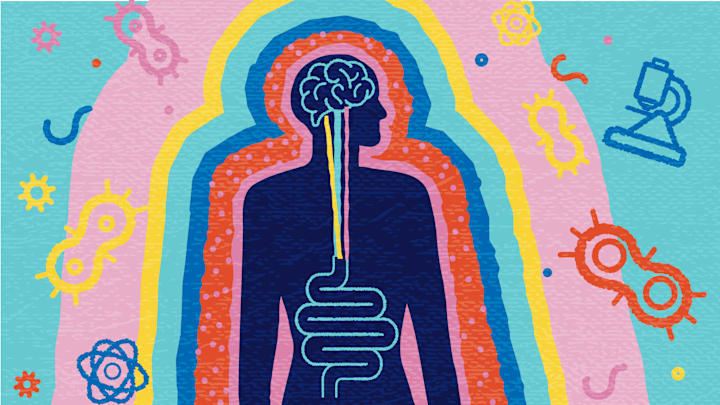
The head and the heart may want different things, but the gut and the brain don’t. What we call a “gut feeling” often reflects real communication between your digestive system and your brain, connected through a network known as the gut-brain axis. Signals from your gut travel along pathways like the vagus nerve, helping connect bodily sensations with mood, stress, and decision-making. The gut also has its own network of neurons—sometimes called a “second brain”—that constantly communicates with the brain. In other words, intuition can feel physical because, in many cases, it is.
So, next time you feel that familiar flutter in your stomach, don't just chalk it up to nerves: it might be your gut and brain working together to help you decide.