%20%20--%3E%0A%3Csvg%20version%3D%221.1%22%20id%3D%22Layer_1%22%20xmlns%3D%22http%3A%2F%2Fwww.w3.org%2F2000%2Fsvg%22%20xmlns%3Axlink%3D%22http%3A%2F%2Fwww.w3.org%2F1999%2Fxlink%22%20x%3D%220px%22%20y%3D%220px%22%0A%09%20viewBox%3D%220%200%20684.6%2068.1%22%20style%3D%22enable-background%3Anew%200%200%20684.6%2068.1%3B%22%20xml%3Aspace%3D%22preserve%22%3E%0A%3Cg%3E%0A%09%3Cpath%20d%3D%22M444.1%2C29.3h-17.4v14.5h17.4V29.3z%20M36.4%2C68.1l29.3-50.8V0H50.4L32.9%2C36.8L15.5%2C0H0v68.1h16.7V45.8l12.4%2C22.3H36.4z%0A%09%09%20M49.1%2C68.1h16.6V23.4L49.1%2C52.1V68.1z%20M76.6%2C68.1h45V53.8H93.3V41.6h21V27.1h-21V14.8h28.3V0.1h-45V68.1z%20M175.6%2C68.1h17.3v-68%0A%09%09h-16.5v40.3L150%2C0.1h-17.6v68h16.7V27.7L175.6%2C68.1z%20M235.8%2C14.8h15.4V0.1h-47.4v14.7H219v53.2h16.8V14.8z%20M290.3%2C45.9h-17.1%0A%09%09l7.5-15.6h2L290.3%2C45.9z%20M298.7%2C68.1h18l-32.2-68h-5.7l-32%2C68h18l3.3-7.1h27.1L298.7%2C68.1z%20M325.2%2C68.1h46.2V53.8h-29.6V0.1h-16.7%0A%09%09V68.1z%20M423.7%2C14.8h27.2V0.1H407v68h16.7V14.8z%20M462%2C68.1h46.2V53.8h-29.6V0.1H462V68.1z%20M564.8%2C34.1c0%2C10.7-7.2%2C19.2-18.5%2C19.2%0A%09%09c-11.4%2C0-18.5-8.5-18.5-19.2s7.1-19.2%2C18.5-19.2C557.6%2C14.9%2C564.8%2C23.4%2C564.8%2C34.1%20M580.6%2C34.1c0-19-14.2-34-34.3-34%0A%09%09c-20.2%2C0-34.3%2C15-34.3%2C34c0%2C19%2C14.1%2C34%2C34.3%2C34C566.4%2C68.1%2C580.6%2C53.1%2C580.6%2C34.1%20M604.8%2C20.5c0-4.1%2C3.3-6.2%2C6.7-6.2%0A%09%09c4.4%2C0%2C6.6%2C3%2C6.6%2C6.6h14.7C631.8%2C9.1%2C625.1%2C0.1%2C611%2C0.1c-12%2C0-21.7%2C9.3-21.7%2C20.6c0%2C10.9%2C5.9%2C15.9%2C16.7%2C19.8%0A%09%09c5.2%2C1.8%2C11.5%2C3.2%2C11.5%2C8c0%2C3.3-2.4%2C5.5-6.4%2C5.5c-3.6%2C0-6.6-3-6.6-6.7h-15.2c0%2C11.5%2C7.9%2C20.8%2C21.8%2C20.8c12%2C0%2C21.6-9.3%2C21.6-20.6%0A%09%09c0-10-5.3-16.4-16.7-19.8C610.6%2C26.1%2C604.8%2C25.3%2C604.8%2C20.5%20M670%2C20.9h14.7C683.8%2C9.1%2C677.1%2C0.1%2C663%2C0.1c-12%2C0-21.7%2C9.3-21.7%2C20.6%0A%09%09c0%2C10.9%2C5.9%2C15.9%2C16.7%2C19.8c5.2%2C1.8%2C11.5%2C3.2%2C11.5%2C8c0%2C3.3-2.4%2C5.5-6.4%2C5.5c-3.6%2C0-6.6-3-6.6-6.7h-15.2c0%2C11.5%2C7.9%2C20.8%2C21.8%2C20.8%0A%09%09c12%2C0%2C21.6-9.3%2C21.6-20.6c0-10-5.3-16.4-16.7-19.8c-5.4-1.6-11.3-2.4-11.3-7.2c0-4.1%2C3.3-6.2%2C6.7-6.2C667.7%2C14.4%2C670%2C17.3%2C670%2C20.9%0A%09%09%22%2F%3E%0A%3C%2Fg%3E%0A%3C%2Fsvg%3E%0A)

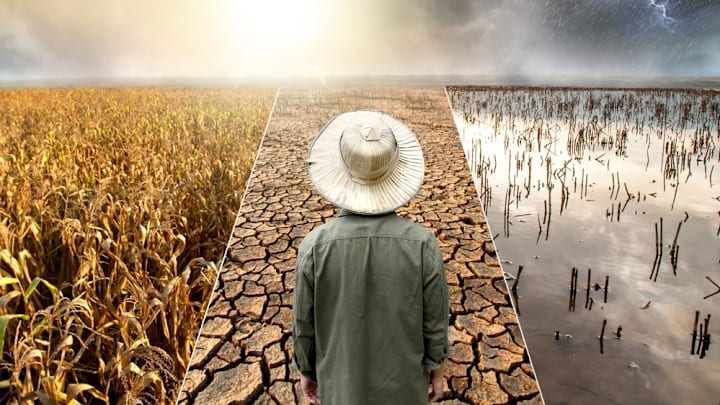
Climate change is here in a very real way. It is here in the form of natural disasters made more frequent and severe by rising temperatures that lead to spiking sea levels, wildfires, floods, droughts, and other dangers that will only worsen if our world stays on the trajectory it is currently on. Climate change is also connected to other global issues, from public health and food security to economic crises around the world. But what can everyday people do to help combat an issue that can seem insurmountable and at times, disconnected from everyday life?
- Get educated
- Get involved in your local community
- Contact government representatives
- Spread the word
- Lower your own carbon footprint
- Invest in renewable energy sources and sustainable businesses
- Stay hopeful
Get educated

First off, one of the most helpful things you can do to address climate change—or any issue you want to work to change—is to learn more about it. Reading books that explore the history, present concerns, and potential solutions to climate change will give you a much more powerful overview of what needs to be done.
For example, the book Regeneration: Ending the Climate Crisis in Our Generation offers a practical look at changes that need to be made now to avert the worst effects of climate change and the issues that connect to it. Chris Turner’s How to Be a Climate Optimist provides a hopeful perspective on how to stay hopeful amid the threats posed by environmental devastation. Meanwhile, Robin Wall Kimmerer’s Braiding Sweetgrass presents a beautiful way of looking at and relating to the Earth that’s rooted in Indigenous spirituality and that poses a blueprint for a different, more sustainable way of living on the whole.
Get involved in your local community

One of the best and easiest ways to enact changes related to the climate and other connected issues? Don’t go at it alone. Volunteering, participating in local initiatives, or joining a local chapter of an organization invested in fighting climate change can be the most effective way to stay motivated, inspired, and clear about what you can do. Many organizations have plenty of training and offer resources that will help you find your place and better understand what’s going on and what to do—and the first step can simply be reaching out and getting involved. Plus, this can be a great way to connect with your local community.
Contact government representatives
Many experts have concluded that significant policy changes, including a total shift away from fossil fuels, are required to address climate change. Stopping climate change will require federal and international cooperation that transitions the world away from fossil fuels. To achieve this, ordinary people will need to put massive pressure on government organizations. It’s important to educate yourself on the policies of the people you’re voting for, and act accordingly.
Spread the word
The topic of climate change is still surrounded by misinformation and disinformation and often hindered by poor messaging. Spreading the word about it—by sharing the ways it affects everyday people’s lives, and explaining how solutions such as a pivot to renewable energy could actually make people’s lives better—is an invaluable way to begin to generate conversations about this issue. It’s a good idea to avoid preaching and using extensive data, as these can be overwhelming. Instead, it’s important to make messages accessible and clear.
Lower your own carbon footprint

Unfortunately, individual actions aren’t enough to actually avert the worst consequences of the climate crisis—this will require international cooperation and a complete shift away from fossil fuels. However, individual actions are still deeply important and impactful, and can create ripple effects that lead to larger changes.
In your day-to-day life, there are many ways to live more sustainably. Eating less meat and dairy is one of them, as livestock production is a major driver of climate change. Switching your home to renewable energy sources can be very impactful, as is relying on sustainable methods of transportation like bikes or trains rather than cars. Buying locally, reusing items, and reducing the amount of waste you produce—all these things matter and can help inspire others to make changes, too.
Invest in renewable energy sources and sustainable businesses
Where you put your money makes a difference. Pulling your investments out of fossil fuels and putting them into renewable energy sources can help support clean energy movements while putting pressure on fossil fuel companies. Also, buying from local and sustainable businesses can be beneficial for your own community, as well as for the planet and its people.
Stay hopeful

It can be easy to feel mired in doom and gloom about climate change and other issues that connect to it, but it’s important to remember that change is possible—and our world has made large-scale changes before.
Many researchers say that shifts in public awareness are critical for reaching broader climate solutions, and this starts with helping individuals understand that a better future is actually possible, one where all people can build a healthier relationship to each other and the Earth. This can start with paying attention to good things happening to the planet, connecting with nature—which can have a range of health benefits—and cultivating community, among other things.