%20%20--%3E%0A%3Csvg%20version%3D%221.1%22%20id%3D%22Layer_1%22%20xmlns%3D%22http%3A%2F%2Fwww.w3.org%2F2000%2Fsvg%22%20xmlns%3Axlink%3D%22http%3A%2F%2Fwww.w3.org%2F1999%2Fxlink%22%20x%3D%220px%22%20y%3D%220px%22%0A%09%20viewBox%3D%220%200%20684.6%2068.1%22%20style%3D%22enable-background%3Anew%200%200%20684.6%2068.1%3B%22%20xml%3Aspace%3D%22preserve%22%3E%0A%3Cg%3E%0A%09%3Cpath%20d%3D%22M444.1%2C29.3h-17.4v14.5h17.4V29.3z%20M36.4%2C68.1l29.3-50.8V0H50.4L32.9%2C36.8L15.5%2C0H0v68.1h16.7V45.8l12.4%2C22.3H36.4z%0A%09%09%20M49.1%2C68.1h16.6V23.4L49.1%2C52.1V68.1z%20M76.6%2C68.1h45V53.8H93.3V41.6h21V27.1h-21V14.8h28.3V0.1h-45V68.1z%20M175.6%2C68.1h17.3v-68%0A%09%09h-16.5v40.3L150%2C0.1h-17.6v68h16.7V27.7L175.6%2C68.1z%20M235.8%2C14.8h15.4V0.1h-47.4v14.7H219v53.2h16.8V14.8z%20M290.3%2C45.9h-17.1%0A%09%09l7.5-15.6h2L290.3%2C45.9z%20M298.7%2C68.1h18l-32.2-68h-5.7l-32%2C68h18l3.3-7.1h27.1L298.7%2C68.1z%20M325.2%2C68.1h46.2V53.8h-29.6V0.1h-16.7%0A%09%09V68.1z%20M423.7%2C14.8h27.2V0.1H407v68h16.7V14.8z%20M462%2C68.1h46.2V53.8h-29.6V0.1H462V68.1z%20M564.8%2C34.1c0%2C10.7-7.2%2C19.2-18.5%2C19.2%0A%09%09c-11.4%2C0-18.5-8.5-18.5-19.2s7.1-19.2%2C18.5-19.2C557.6%2C14.9%2C564.8%2C23.4%2C564.8%2C34.1%20M580.6%2C34.1c0-19-14.2-34-34.3-34%0A%09%09c-20.2%2C0-34.3%2C15-34.3%2C34c0%2C19%2C14.1%2C34%2C34.3%2C34C566.4%2C68.1%2C580.6%2C53.1%2C580.6%2C34.1%20M604.8%2C20.5c0-4.1%2C3.3-6.2%2C6.7-6.2%0A%09%09c4.4%2C0%2C6.6%2C3%2C6.6%2C6.6h14.7C631.8%2C9.1%2C625.1%2C0.1%2C611%2C0.1c-12%2C0-21.7%2C9.3-21.7%2C20.6c0%2C10.9%2C5.9%2C15.9%2C16.7%2C19.8%0A%09%09c5.2%2C1.8%2C11.5%2C3.2%2C11.5%2C8c0%2C3.3-2.4%2C5.5-6.4%2C5.5c-3.6%2C0-6.6-3-6.6-6.7h-15.2c0%2C11.5%2C7.9%2C20.8%2C21.8%2C20.8c12%2C0%2C21.6-9.3%2C21.6-20.6%0A%09%09c0-10-5.3-16.4-16.7-19.8C610.6%2C26.1%2C604.8%2C25.3%2C604.8%2C20.5%20M670%2C20.9h14.7C683.8%2C9.1%2C677.1%2C0.1%2C663%2C0.1c-12%2C0-21.7%2C9.3-21.7%2C20.6%0A%09%09c0%2C10.9%2C5.9%2C15.9%2C16.7%2C19.8c5.2%2C1.8%2C11.5%2C3.2%2C11.5%2C8c0%2C3.3-2.4%2C5.5-6.4%2C5.5c-3.6%2C0-6.6-3-6.6-6.7h-15.2c0%2C11.5%2C7.9%2C20.8%2C21.8%2C20.8%0A%09%09c12%2C0%2C21.6-9.3%2C21.6-20.6c0-10-5.3-16.4-16.7-19.8c-5.4-1.6-11.3-2.4-11.3-7.2c0-4.1%2C3.3-6.2%2C6.7-6.2C667.7%2C14.4%2C670%2C17.3%2C670%2C20.9%0A%09%09%22%2F%3E%0A%3C%2Fg%3E%0A%3C%2Fsvg%3E%0A)

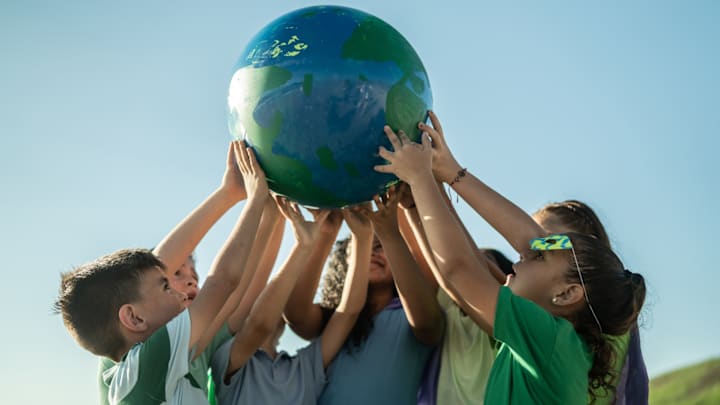
Earth Day arrives each year on April 22, prompting us to think about the state of our planet while reimagining future possibilities.
While climate headlines tend to focus on crisis, Earth Day serves as a great, yearly reminder that change is happening. Progress doesn't always make front page news, but around the world, scientists, communities, and governments are working toward a hopeful future, one green policy and initiative at a time.
As 2026 unfolds, these pushes for progress matter more than ever. A cleaner, safer environment is still within reach, so long as we collectively unite to protect our home. After all, individual actions spark waves of larger change.
The future of our planet is still being written. These initial victories in 2026 prove that renewal and restoration are within reach. With so much troubling news, it’s encouraging to highlight the positive developments taking place in real time.
In celebration of Earth Day, here are nine wins for the planet in 2026.
- CLEAN ENERGY IN THE EU
- THE HIGH SEAS TREATY
- MYCORRHIZAL FUNGI AND THE REDUCTION OF FOSSIL FUELS
- BANNING FOREVER CHEMICALS IN FRANCE
- CLEANER TRANSPORTATION
- RESTORING WETLANDS IN U.S. COASTAL CITIES
- FOOD WASTE AND RESOURCE MANAGEMENT
- POST-DISASTER ENERGY AT A LOCAL LEVEL
- A GLOBAL COMMUNITY
CLEAN ENERGY IN THE EU

The first major milestone of the year comes from Europe, where clean energy (especially wind and solar) has, for the first time, eclipsed fossil fuels in EU electricity generation. In 2025, 30% of all electricity came from renewables, edging out fossil fuels at 29%. This development establishes renewables as the foundation of a new era. In transportation, Norway is ahead of the curve, with 97% of new car sales being electric vehicles, now exceeding diesel cars.
THE HIGH SEAS TREATY

The implementation of the “High Seas Treaty” in 2026 stands out as a major global accomplishment. This groundbreaking pact unites countries in the effort to defend ocean habitats beyond national jurisdiction. The treaty establishes new legal protections for the "high seas," which cover more than two-thirds of Earth's oceans. It paves the way for designating marine reserves and overseeing human use of international waters, marking a vital step toward sustaining ocean biodiversity.
MYCORRHIZAL FUNGI AND THE REDUCTION OF FOSSIL FUELS

Not all climate solutions are visible above ground. In fact, one of the most important breakthroughs of 2026 lies beneath our feet. Dr. Toby Kiers was recognized with the Tyler Prize for her work on mycorrhizal fungi, underground networks that connect plants and soil ecosystems. These microscopic systems play a crucial role in storing carbon (13 billion tons per year), supporting plant growth, and maintaining ecosystem resilience. This is proof that nature, too, can help advance climate efforts.
BANNING FOREVER CHEMICALS IN FRANCE

France has emerged as a leader on another critical front, taking bold steps to address PFAS, also known as "forever chemicals." While these chemicals appear in everyday products, they are infamous for lingering in the environment and posing serious health threats, including cancer and immune suppression. In 2026, France banned the production and import of products containing PFAs, including cosmetics and clothes. The new law increases oversight of drinking water testing and holds polluters responsible for their actions. This policy advancement highlights France's commitment to environmental and public health.
CLEANER TRANSPORTATION

Efforts to create a greener transit system marked a huge climate win in 2026, targeting transportation as a leading source of pollution. Initiatives like congestion pricing in major cities (launched in New York City) are reducing traffic and improving air quality while encouraging the use of public transportation. At the same time, states are investing in electric vehicles and modernizing transit systems. Cleaner transportation policies will cut emissions and build a more sustainable urban environment.
RESTORING WETLANDS IN U.S. COASTAL CITIES

Adaptation is a vital aspect of addressing climate change, and coastal Virginia exemplifies this trait. In Hampton, local leaders have adopted a "Living With Water" philosophy influenced by the Netherlands. Instead of trying to keep water out, the community is working to restore wetlands, create plant-lined basins, and rebuild oyster reefs, measures that help absorb floodwaters and protect shorelines.
FOOD WASTE AND RESOURCE MANAGEMENT

Efforts to minimize food waste represent a notable advance in climate strategy, aiming to reduce methane from landfills (a key source of heat-trapping gases). As highlighted by the Natural Resources Defense Council, states are launching more composting programs, improving recycling systems, and making it standard for large institutions to divert food scraps. These policies not only reduce pollution but also promote better habits in the consumption and management of resources.
POST-DISASTER ENERGY AT A LOCAL LEVEL

Small communities also have boots on the ground. After Hurricane Helene struck rural North Carolina, local initiatives started rethinking energy. A volunteer fire department implemented a solar-powered micro-grid with battery storage, creating an unfaltering energy hub that functions during blackouts, cuts costs, and improves emergency response.
A GLOBAL COMMUNITY

Perhaps the real takeaway isn’t about any single initiative or policy, but shared progress. These achievements span continents and oceans, from international treaties and infrastructure to scientific discoveries and local efforts. All these positive efforts point to what collaboration, compassion, innovation, and persistence can accomplish.