%20%20--%3E%0A%3Csvg%20version%3D%221.1%22%20id%3D%22Layer_1%22%20xmlns%3D%22http%3A%2F%2Fwww.w3.org%2F2000%2Fsvg%22%20xmlns%3Axlink%3D%22http%3A%2F%2Fwww.w3.org%2F1999%2Fxlink%22%20x%3D%220px%22%20y%3D%220px%22%0A%09%20viewBox%3D%220%200%20684.6%2068.1%22%20style%3D%22enable-background%3Anew%200%200%20684.6%2068.1%3B%22%20xml%3Aspace%3D%22preserve%22%3E%0A%3Cg%3E%0A%09%3Cpath%20d%3D%22M444.1%2C29.3h-17.4v14.5h17.4V29.3z%20M36.4%2C68.1l29.3-50.8V0H50.4L32.9%2C36.8L15.5%2C0H0v68.1h16.7V45.8l12.4%2C22.3H36.4z%0A%09%09%20M49.1%2C68.1h16.6V23.4L49.1%2C52.1V68.1z%20M76.6%2C68.1h45V53.8H93.3V41.6h21V27.1h-21V14.8h28.3V0.1h-45V68.1z%20M175.6%2C68.1h17.3v-68%0A%09%09h-16.5v40.3L150%2C0.1h-17.6v68h16.7V27.7L175.6%2C68.1z%20M235.8%2C14.8h15.4V0.1h-47.4v14.7H219v53.2h16.8V14.8z%20M290.3%2C45.9h-17.1%0A%09%09l7.5-15.6h2L290.3%2C45.9z%20M298.7%2C68.1h18l-32.2-68h-5.7l-32%2C68h18l3.3-7.1h27.1L298.7%2C68.1z%20M325.2%2C68.1h46.2V53.8h-29.6V0.1h-16.7%0A%09%09V68.1z%20M423.7%2C14.8h27.2V0.1H407v68h16.7V14.8z%20M462%2C68.1h46.2V53.8h-29.6V0.1H462V68.1z%20M564.8%2C34.1c0%2C10.7-7.2%2C19.2-18.5%2C19.2%0A%09%09c-11.4%2C0-18.5-8.5-18.5-19.2s7.1-19.2%2C18.5-19.2C557.6%2C14.9%2C564.8%2C23.4%2C564.8%2C34.1%20M580.6%2C34.1c0-19-14.2-34-34.3-34%0A%09%09c-20.2%2C0-34.3%2C15-34.3%2C34c0%2C19%2C14.1%2C34%2C34.3%2C34C566.4%2C68.1%2C580.6%2C53.1%2C580.6%2C34.1%20M604.8%2C20.5c0-4.1%2C3.3-6.2%2C6.7-6.2%0A%09%09c4.4%2C0%2C6.6%2C3%2C6.6%2C6.6h14.7C631.8%2C9.1%2C625.1%2C0.1%2C611%2C0.1c-12%2C0-21.7%2C9.3-21.7%2C20.6c0%2C10.9%2C5.9%2C15.9%2C16.7%2C19.8%0A%09%09c5.2%2C1.8%2C11.5%2C3.2%2C11.5%2C8c0%2C3.3-2.4%2C5.5-6.4%2C5.5c-3.6%2C0-6.6-3-6.6-6.7h-15.2c0%2C11.5%2C7.9%2C20.8%2C21.8%2C20.8c12%2C0%2C21.6-9.3%2C21.6-20.6%0A%09%09c0-10-5.3-16.4-16.7-19.8C610.6%2C26.1%2C604.8%2C25.3%2C604.8%2C20.5%20M670%2C20.9h14.7C683.8%2C9.1%2C677.1%2C0.1%2C663%2C0.1c-12%2C0-21.7%2C9.3-21.7%2C20.6%0A%09%09c0%2C10.9%2C5.9%2C15.9%2C16.7%2C19.8c5.2%2C1.8%2C11.5%2C3.2%2C11.5%2C8c0%2C3.3-2.4%2C5.5-6.4%2C5.5c-3.6%2C0-6.6-3-6.6-6.7h-15.2c0%2C11.5%2C7.9%2C20.8%2C21.8%2C20.8%0A%09%09c12%2C0%2C21.6-9.3%2C21.6-20.6c0-10-5.3-16.4-16.7-19.8c-5.4-1.6-11.3-2.4-11.3-7.2c0-4.1%2C3.3-6.2%2C6.7-6.2C667.7%2C14.4%2C670%2C17.3%2C670%2C20.9%0A%09%09%22%2F%3E%0A%3C%2Fg%3E%0A%3C%2Fsvg%3E%0A)

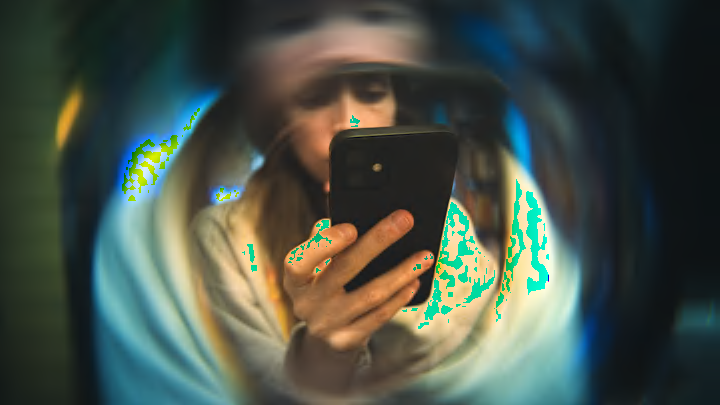
For many people, smartphones feel like a second limb, and scrolling has become second nature. Flipping through funny tweets or skimming headlines may seem harmless, but the impact depends on what you’re actually consuming. A steady diet of negative news can quietly take a toll—and yet, many of us can’t look away. That habit has a name: doomscrolling, or spending excessive time scrolling through content that fuels sadness, anxiety, or anger.
Bad news isn’t new, but having nonstop access to it is. With headlines, alerts, and social feeds available around the clock, it’s no surprise that the term doomscrolling didn’t enter the cultural lexicon until 2020, during the height of the pandemic. The lockdowns may have ended, but the habit stuck. So why is doomscrolling so hard to quit? The answer starts in your brain.
YOUR BRAIN ON DOOMSCROLLING

Nobody enjoys dwelling on the negative, yet our brains seem wired to do just that. This isn’t a flaw—it’s a survival mechanism called negativity bias, which makes humans especially sensitive to potential threats. What once helped our ancestors stay alive still triggers the body’s stress response today, even when the “danger” comes from a scary headline rather than a real predator. During periods of widespread uncertainty—like pandemics or economic turmoil—this instinct kicks into overdrive, keeping us on high alert.
Experts say the phenomenon has become especially common because of how the brain’s stress and threat systems work. When we scan for danger, the limbic system, including the amygdala, keeps us vigilant. In a world dominated by negative news feeds, that response rarely switches off. Algorithms make it worse: every click on upsetting content signals the system to serve up more, locking you into a loop.
Doomscrolling doesn’t just shape what you read; it shapes how you feel. You might start scrolling with no strong emotion, or just to stay informed, but soon anxiety, frustration, or helplessness can creep in. Repeated exposure to negative content acts like a filter, making the world seem darker than it really is.
The effects aren’t only mental: constant doomscrolling can disrupt sleep, increase stress, and crowd out healthy activities like exercise, time outdoors, or socializing. Physically, it may trigger headaches, muscle tension, or higher blood pressure. Emotionally, it can lower life satisfaction and intensify feelings of dread. What begins as a quick scroll can leave you more overwhelmed than when you started, proof that your brain reacts to doomscrolling more like a threat than neutral information.
TIPS FOR TAKING BACK YOUR FEED

But putting the phone down isn’t always simple. With technology and the mind so intertwined, you might feel something like a phantom limb—or in this case, a phantom phone. Even when scrolling stops, the pull of bad news, alerts, and missed notifications can linger a little longer.
The good news? You don’t have to give up your feed entirely. Small, intentional changes can help you reclaim control over what you see and how it affects you. Try these strategies to scroll with purpose rather than habit:
Schedule your scrolls. Pick specific times to check news or social media, and start small—habits take time. Try skipping scrolling first thing in the morning or right before bed to break the automatic reach-for-your-phone cycle.
Shape your feed. Keep your screentime positive by following accounts you actually enjoy and muting sensationalist ones. Mix in a few uplifting or interesting stories to balance the constant stream of bad news.
Skip the clickbait. Headlines are designed to grab attention, not give context. Dig into full articles to process information without reacting on autopilot.
Trim digital temptations. Turn off notifications, switch to grayscale, or remove apps that keep you endlessly scrolling.
Shape your space for sanity. Keep your phone out of reach at night, during meals, and while working to prevent compulsive checking.
Even small tweaks like these can make scrolling feel intentional instead of stressful, giving your mind a chance to catch a break.