%20%20--%3E%0A%3Csvg%20version%3D%221.1%22%20id%3D%22Layer_1%22%20xmlns%3D%22http%3A%2F%2Fwww.w3.org%2F2000%2Fsvg%22%20xmlns%3Axlink%3D%22http%3A%2F%2Fwww.w3.org%2F1999%2Fxlink%22%20x%3D%220px%22%20y%3D%220px%22%0A%09%20viewBox%3D%220%200%20684.6%2068.1%22%20style%3D%22enable-background%3Anew%200%200%20684.6%2068.1%3B%22%20xml%3Aspace%3D%22preserve%22%3E%0A%3Cg%3E%0A%09%3Cpath%20d%3D%22M444.1%2C29.3h-17.4v14.5h17.4V29.3z%20M36.4%2C68.1l29.3-50.8V0H50.4L32.9%2C36.8L15.5%2C0H0v68.1h16.7V45.8l12.4%2C22.3H36.4z%0A%09%09%20M49.1%2C68.1h16.6V23.4L49.1%2C52.1V68.1z%20M76.6%2C68.1h45V53.8H93.3V41.6h21V27.1h-21V14.8h28.3V0.1h-45V68.1z%20M175.6%2C68.1h17.3v-68%0A%09%09h-16.5v40.3L150%2C0.1h-17.6v68h16.7V27.7L175.6%2C68.1z%20M235.8%2C14.8h15.4V0.1h-47.4v14.7H219v53.2h16.8V14.8z%20M290.3%2C45.9h-17.1%0A%09%09l7.5-15.6h2L290.3%2C45.9z%20M298.7%2C68.1h18l-32.2-68h-5.7l-32%2C68h18l3.3-7.1h27.1L298.7%2C68.1z%20M325.2%2C68.1h46.2V53.8h-29.6V0.1h-16.7%0A%09%09V68.1z%20M423.7%2C14.8h27.2V0.1H407v68h16.7V14.8z%20M462%2C68.1h46.2V53.8h-29.6V0.1H462V68.1z%20M564.8%2C34.1c0%2C10.7-7.2%2C19.2-18.5%2C19.2%0A%09%09c-11.4%2C0-18.5-8.5-18.5-19.2s7.1-19.2%2C18.5-19.2C557.6%2C14.9%2C564.8%2C23.4%2C564.8%2C34.1%20M580.6%2C34.1c0-19-14.2-34-34.3-34%0A%09%09c-20.2%2C0-34.3%2C15-34.3%2C34c0%2C19%2C14.1%2C34%2C34.3%2C34C566.4%2C68.1%2C580.6%2C53.1%2C580.6%2C34.1%20M604.8%2C20.5c0-4.1%2C3.3-6.2%2C6.7-6.2%0A%09%09c4.4%2C0%2C6.6%2C3%2C6.6%2C6.6h14.7C631.8%2C9.1%2C625.1%2C0.1%2C611%2C0.1c-12%2C0-21.7%2C9.3-21.7%2C20.6c0%2C10.9%2C5.9%2C15.9%2C16.7%2C19.8%0A%09%09c5.2%2C1.8%2C11.5%2C3.2%2C11.5%2C8c0%2C3.3-2.4%2C5.5-6.4%2C5.5c-3.6%2C0-6.6-3-6.6-6.7h-15.2c0%2C11.5%2C7.9%2C20.8%2C21.8%2C20.8c12%2C0%2C21.6-9.3%2C21.6-20.6%0A%09%09c0-10-5.3-16.4-16.7-19.8C610.6%2C26.1%2C604.8%2C25.3%2C604.8%2C20.5%20M670%2C20.9h14.7C683.8%2C9.1%2C677.1%2C0.1%2C663%2C0.1c-12%2C0-21.7%2C9.3-21.7%2C20.6%0A%09%09c0%2C10.9%2C5.9%2C15.9%2C16.7%2C19.8c5.2%2C1.8%2C11.5%2C3.2%2C11.5%2C8c0%2C3.3-2.4%2C5.5-6.4%2C5.5c-3.6%2C0-6.6-3-6.6-6.7h-15.2c0%2C11.5%2C7.9%2C20.8%2C21.8%2C20.8%0A%09%09c12%2C0%2C21.6-9.3%2C21.6-20.6c0-10-5.3-16.4-16.7-19.8c-5.4-1.6-11.3-2.4-11.3-7.2c0-4.1%2C3.3-6.2%2C6.7-6.2C667.7%2C14.4%2C670%2C17.3%2C670%2C20.9%0A%09%09%22%2F%3E%0A%3C%2Fg%3E%0A%3C%2Fsvg%3E%0A)

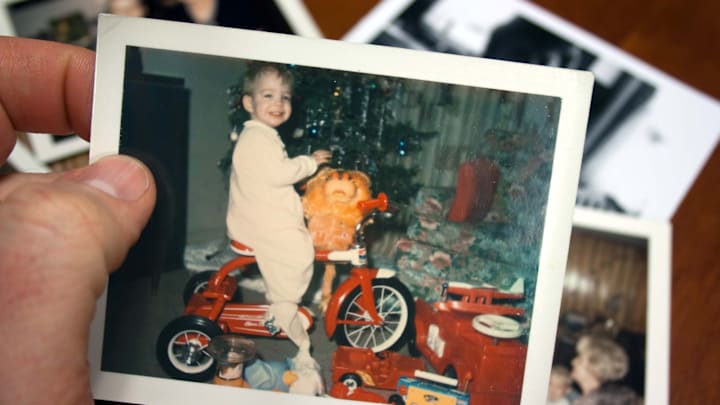
Nostalgia sneaks up on you. One moment, you’re mindlessly scrolling; the next, a blurry photo, a TV theme song, or a forgotten memory blindsides you. All of a sudden, you’re smiling, maybe tearing up, and wondering, "Where did these emotions come from?"
As it turns out, nostalgia isn't just a side-effect of getting older. It's a deeply human, scientifically fascinating experience that helps us make sense of who we are and why specific moments refuse to fade.
WHAT IS NOSTALGIA?

Nostalgia is a complex emotional state rooted in memories tied to your life, scientifically deemed your “autobiographical memory.” It’s usually bittersweet (though mostly positive) and tends to surface during times of stress, change, or uncertainty.
Brain-imaging studies show that nostalgia simultaneously activates several regions of your brain: areas responsible for memory, emotion, self-reflection, and even reward. In other words, nostalgia is like your brain throwing a reunion. Dopamine is first to arrive. Emotional regulation follows. And you feel instantly reassured that your life has meaning.
Researchers have also found that nostalgia can boost self-esteem, increase the desire for social connection, and even make people more optimistic about the future. So no, you're not "stuck in the past." You’re actually practicing some much-needed emotional self-care.
THE GOOD OLD DAYS
Although nostalgia connects to our personal memories, it’s also possible to long for times and events we didn’t experience firsthand. What makes us yearn for the 1920s, the '90s, or just “simpler times” we never actually lived through?
According to BBC Science Focus, this phenomenon is known as “anemoia.” It happens because humans don't just remember the past; we imagine it. And we tend to imagine it selectively.
Through films, photos, books, fashion, and culture, past decades are filtered into emotional highlight reels. The flaws and hardships fade into the background, and what’s left is an aesthetic sense of belonging that feels strangely comforting, especially when the present day seems overwhelming.
Anemoia isn't about wanting to go back in time. It's about craving stability and an identity we attach to glorified versions of the past.
MUSIC AND MEMORY LANE

The quickest way to memory lane is through a song you know by heart.
Music is one of the most powerful nostalgia triggers because it weaves memory and emotion together more closely than almost anything else. When you hear a familiar song, your brain recognizes and relives it.
That's partly due to something psychologists call the "reminiscence bump," a period in adolescence and early adulthood when we form especially vivid and emotionally striking memories. The movies, music, and shows you loved during those years become permanent bookmarks in your brain.
Immersed in familiar narratives and recurring themes, media transforms into a time machine that transports you back to a version of the past your mind has kept alive.
NOSTALGIA IN A NUTSHELL

Nostalgia isn't about escaping your current situation; it's about maintaining connection over time. It reminds us that we've lived, loved, changed, and survived. Whether you’re missing a single moment, an era, or a feeling you can't quite put your finger on, nostalgia helps piece together who you are.
Some memories remain not just to revisit old times, but as foundations of your identity, reminding you where you’ve been, shaping who you are, and guiding who you’re becoming.