%20%20--%3E%0A%3Csvg%20version%3D%221.1%22%20id%3D%22Layer_1%22%20xmlns%3D%22http%3A%2F%2Fwww.w3.org%2F2000%2Fsvg%22%20xmlns%3Axlink%3D%22http%3A%2F%2Fwww.w3.org%2F1999%2Fxlink%22%20x%3D%220px%22%20y%3D%220px%22%0A%09%20viewBox%3D%220%200%20684.6%2068.1%22%20style%3D%22enable-background%3Anew%200%200%20684.6%2068.1%3B%22%20xml%3Aspace%3D%22preserve%22%3E%0A%3Cg%3E%0A%09%3Cpath%20d%3D%22M444.1%2C29.3h-17.4v14.5h17.4V29.3z%20M36.4%2C68.1l29.3-50.8V0H50.4L32.9%2C36.8L15.5%2C0H0v68.1h16.7V45.8l12.4%2C22.3H36.4z%0A%09%09%20M49.1%2C68.1h16.6V23.4L49.1%2C52.1V68.1z%20M76.6%2C68.1h45V53.8H93.3V41.6h21V27.1h-21V14.8h28.3V0.1h-45V68.1z%20M175.6%2C68.1h17.3v-68%0A%09%09h-16.5v40.3L150%2C0.1h-17.6v68h16.7V27.7L175.6%2C68.1z%20M235.8%2C14.8h15.4V0.1h-47.4v14.7H219v53.2h16.8V14.8z%20M290.3%2C45.9h-17.1%0A%09%09l7.5-15.6h2L290.3%2C45.9z%20M298.7%2C68.1h18l-32.2-68h-5.7l-32%2C68h18l3.3-7.1h27.1L298.7%2C68.1z%20M325.2%2C68.1h46.2V53.8h-29.6V0.1h-16.7%0A%09%09V68.1z%20M423.7%2C14.8h27.2V0.1H407v68h16.7V14.8z%20M462%2C68.1h46.2V53.8h-29.6V0.1H462V68.1z%20M564.8%2C34.1c0%2C10.7-7.2%2C19.2-18.5%2C19.2%0A%09%09c-11.4%2C0-18.5-8.5-18.5-19.2s7.1-19.2%2C18.5-19.2C557.6%2C14.9%2C564.8%2C23.4%2C564.8%2C34.1%20M580.6%2C34.1c0-19-14.2-34-34.3-34%0A%09%09c-20.2%2C0-34.3%2C15-34.3%2C34c0%2C19%2C14.1%2C34%2C34.3%2C34C566.4%2C68.1%2C580.6%2C53.1%2C580.6%2C34.1%20M604.8%2C20.5c0-4.1%2C3.3-6.2%2C6.7-6.2%0A%09%09c4.4%2C0%2C6.6%2C3%2C6.6%2C6.6h14.7C631.8%2C9.1%2C625.1%2C0.1%2C611%2C0.1c-12%2C0-21.7%2C9.3-21.7%2C20.6c0%2C10.9%2C5.9%2C15.9%2C16.7%2C19.8%0A%09%09c5.2%2C1.8%2C11.5%2C3.2%2C11.5%2C8c0%2C3.3-2.4%2C5.5-6.4%2C5.5c-3.6%2C0-6.6-3-6.6-6.7h-15.2c0%2C11.5%2C7.9%2C20.8%2C21.8%2C20.8c12%2C0%2C21.6-9.3%2C21.6-20.6%0A%09%09c0-10-5.3-16.4-16.7-19.8C610.6%2C26.1%2C604.8%2C25.3%2C604.8%2C20.5%20M670%2C20.9h14.7C683.8%2C9.1%2C677.1%2C0.1%2C663%2C0.1c-12%2C0-21.7%2C9.3-21.7%2C20.6%0A%09%09c0%2C10.9%2C5.9%2C15.9%2C16.7%2C19.8c5.2%2C1.8%2C11.5%2C3.2%2C11.5%2C8c0%2C3.3-2.4%2C5.5-6.4%2C5.5c-3.6%2C0-6.6-3-6.6-6.7h-15.2c0%2C11.5%2C7.9%2C20.8%2C21.8%2C20.8%0A%09%09c12%2C0%2C21.6-9.3%2C21.6-20.6c0-10-5.3-16.4-16.7-19.8c-5.4-1.6-11.3-2.4-11.3-7.2c0-4.1%2C3.3-6.2%2C6.7-6.2C667.7%2C14.4%2C670%2C17.3%2C670%2C20.9%0A%09%09%22%2F%3E%0A%3C%2Fg%3E%0A%3C%2Fsvg%3E%0A)

It’s well past the holiday hubbub, and a sudden boom on a silent winter night startles you awake. But without Santa to blame, you might be left wondering—what on earth just happened? The answer is a frost quake, a cold-weather quirk that can make the ground sound like it’s exploding. It’s one of the many surprising side effects of recent winter storms sweeping across the country.
But what exactly is a frost quake? And are frost quakes dangerous? Let’s break down this startling winter phenomenon.
What Is a Frost Quake?

Formally known as a cryoseism, a frost quake is a natural, cold-weather seismic event that can make the ground crack with a loud boom. It all starts when water trapped in the soil freezes fast—rain, snowmelt, or floodwater soaks the ground, and a sudden temperature drop forces that water to expand. Frost quakes are more likely when there’s little to no snow cover, since snow acts like an insulating blanket and slows freezing. That’s also why you’re most likely to hear a frost quake right after a winter storm, when soaked soil freezes quickly.
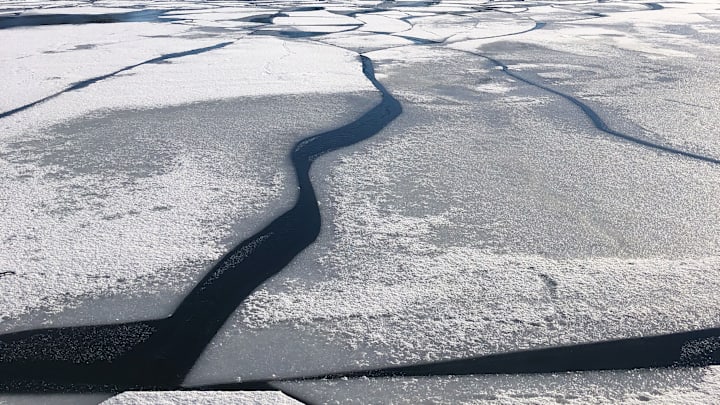
As the ice pushes against the surrounding soil and rock, pressure builds until the ground suddenly splits with a snap. The energy release produces a booming sound and tiny vibrations that can startle anyone nearby. People often hear the signature snap, crackle, pop long before they notice any visible rifts in the soil, making frost quakes one of winter’s most startling surprises.
Are Frost Quakes Dangerous?
Frost quakes can cause quite the fright. That unexpected boom might rattle windows or make your floors shiver, sending a thrill (or a scare) through anyone inside. Some people even describe it as feeling like a car crashing into a building.
Despite the drama, frost quakes are generally harmless. According to meteorologists with the National Weather Service, these cold‑weather events are usually not a cause for concern and rarely lead to serious damage. While the noises and small tremors can be startling, they’re driven by rapidly freezing soil rather than deep tectonic forces, and there are no aftershocks to follow.
The real “danger” is just the surprise factor. A sudden boom can startle you, spill your coffee, or make you dash outside expecting an explosion. Beyond that? Frost quakes are just a quirky, cold-weather spectacle, leaving cracked soil and rattled nerves in their wake.
Where Do Frost Quakes Occur?

Frost quakes aren’t something you’ll hear just anywhere: they require the right winter conditions to form. They’re most common in northern regions where temperatures drop quickly, and the ground contains moisture that can freeze. Areas across the Northeast and Midwest of the United States, as well as parts of Canada, see them fairly often, especially after a sudden cold snap following a thaw.
They’re not limited to remote areas, either. Frost quakes can rattle suburban yards, city streets, and even backyards, as long as the ground freezes fast enough. The phenomenon is driven more by rapid temperature changes and soil moisture than by latitude alone, which is why southern states with unusually cold nights, like Tennessee and Kentucky, can experience them on occasion.
In short, if the ground is wet and the temperature plummets, you might just hear a frost quake rumble nearby.