%20%20--%3E%0A%3Csvg%20version%3D%221.1%22%20id%3D%22Layer_1%22%20xmlns%3D%22http%3A%2F%2Fwww.w3.org%2F2000%2Fsvg%22%20xmlns%3Axlink%3D%22http%3A%2F%2Fwww.w3.org%2F1999%2Fxlink%22%20x%3D%220px%22%20y%3D%220px%22%0A%09%20viewBox%3D%220%200%20684.6%2068.1%22%20style%3D%22enable-background%3Anew%200%200%20684.6%2068.1%3B%22%20xml%3Aspace%3D%22preserve%22%3E%0A%3Cg%3E%0A%09%3Cpath%20d%3D%22M444.1%2C29.3h-17.4v14.5h17.4V29.3z%20M36.4%2C68.1l29.3-50.8V0H50.4L32.9%2C36.8L15.5%2C0H0v68.1h16.7V45.8l12.4%2C22.3H36.4z%0A%09%09%20M49.1%2C68.1h16.6V23.4L49.1%2C52.1V68.1z%20M76.6%2C68.1h45V53.8H93.3V41.6h21V27.1h-21V14.8h28.3V0.1h-45V68.1z%20M175.6%2C68.1h17.3v-68%0A%09%09h-16.5v40.3L150%2C0.1h-17.6v68h16.7V27.7L175.6%2C68.1z%20M235.8%2C14.8h15.4V0.1h-47.4v14.7H219v53.2h16.8V14.8z%20M290.3%2C45.9h-17.1%0A%09%09l7.5-15.6h2L290.3%2C45.9z%20M298.7%2C68.1h18l-32.2-68h-5.7l-32%2C68h18l3.3-7.1h27.1L298.7%2C68.1z%20M325.2%2C68.1h46.2V53.8h-29.6V0.1h-16.7%0A%09%09V68.1z%20M423.7%2C14.8h27.2V0.1H407v68h16.7V14.8z%20M462%2C68.1h46.2V53.8h-29.6V0.1H462V68.1z%20M564.8%2C34.1c0%2C10.7-7.2%2C19.2-18.5%2C19.2%0A%09%09c-11.4%2C0-18.5-8.5-18.5-19.2s7.1-19.2%2C18.5-19.2C557.6%2C14.9%2C564.8%2C23.4%2C564.8%2C34.1%20M580.6%2C34.1c0-19-14.2-34-34.3-34%0A%09%09c-20.2%2C0-34.3%2C15-34.3%2C34c0%2C19%2C14.1%2C34%2C34.3%2C34C566.4%2C68.1%2C580.6%2C53.1%2C580.6%2C34.1%20M604.8%2C20.5c0-4.1%2C3.3-6.2%2C6.7-6.2%0A%09%09c4.4%2C0%2C6.6%2C3%2C6.6%2C6.6h14.7C631.8%2C9.1%2C625.1%2C0.1%2C611%2C0.1c-12%2C0-21.7%2C9.3-21.7%2C20.6c0%2C10.9%2C5.9%2C15.9%2C16.7%2C19.8%0A%09%09c5.2%2C1.8%2C11.5%2C3.2%2C11.5%2C8c0%2C3.3-2.4%2C5.5-6.4%2C5.5c-3.6%2C0-6.6-3-6.6-6.7h-15.2c0%2C11.5%2C7.9%2C20.8%2C21.8%2C20.8c12%2C0%2C21.6-9.3%2C21.6-20.6%0A%09%09c0-10-5.3-16.4-16.7-19.8C610.6%2C26.1%2C604.8%2C25.3%2C604.8%2C20.5%20M670%2C20.9h14.7C683.8%2C9.1%2C677.1%2C0.1%2C663%2C0.1c-12%2C0-21.7%2C9.3-21.7%2C20.6%0A%09%09c0%2C10.9%2C5.9%2C15.9%2C16.7%2C19.8c5.2%2C1.8%2C11.5%2C3.2%2C11.5%2C8c0%2C3.3-2.4%2C5.5-6.4%2C5.5c-3.6%2C0-6.6-3-6.6-6.7h-15.2c0%2C11.5%2C7.9%2C20.8%2C21.8%2C20.8%0A%09%09c12%2C0%2C21.6-9.3%2C21.6-20.6c0-10-5.3-16.4-16.7-19.8c-5.4-1.6-11.3-2.4-11.3-7.2c0-4.1%2C3.3-6.2%2C6.7-6.2C667.7%2C14.4%2C670%2C17.3%2C670%2C20.9%0A%09%09%22%2F%3E%0A%3C%2Fg%3E%0A%3C%2Fsvg%3E%0A)

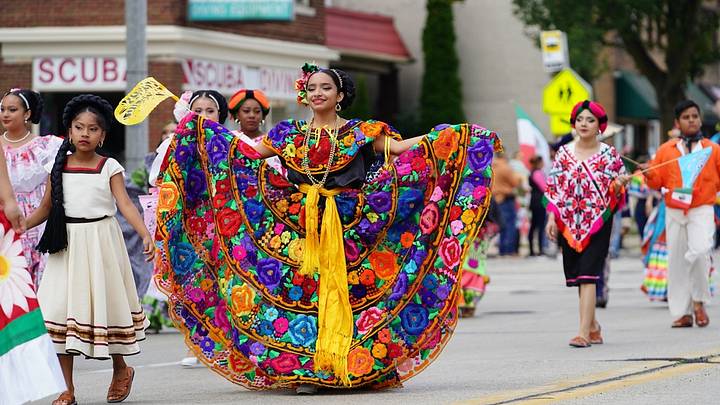
Hispanic Heritage Month is celebrated annually in the United States from September 15 to October 15, and honors Hispanic people’s contributions to the nation. The occasion began as Hispanic Heritage Week, which President Lyndon B. Johnson signed into law in 1968. It later became a month-long celebration under Ronald Reagan in 1988. But why does it start on September 15 rather than on the first of the month?
The significance of September 15

September 15 is a significant day in the history of a number of Spanish-speaking nations. Costa Rica, Guatemala, Honduras, El Salvador, and Nicaragua celebrate their independence day on this date; all of these nations gained their independence from Spain in 1821.
Additionally, September 15, 1810 was the day of “El Grito de Dolores,” or the “Cry of Dolores,” a call to arms that launched the Mexican War of Independence. Mexico’s independence day is September 16, and Chile’s is September 18. Because of all this, the original 1968 declaration that established Hispanic Heritage Week stipulated that the occasion must include September 15 and 16.
The 1960s saw a greater push for inclusion by Spanish-speaking Americans, which paved the way for the occasion. “That was a period for sure, when Chicanos in the Southwest, Mexican Americans, Latinos across the country were demanding greater inclusion and representation politically, culturally, socially, economically—everything,” said Geraldo Cadava, a professor of history and Latina and Latino Studies at Northwestern University. “It was a demand for greater inclusion and representation and acknowledgment that Latinos play an important role in the United States.”
Eventually, when Reagan expanded the week-long celebration into a month-long event, September 15 was kept as the start of the festivities.
At the time, Rep. Esteban Torres of California had submitted a bill to expand the weeklong celebration. “We want the public to know that we share a legacy with the rest of the country, a legacy that includes artists, writers, Olympic champions, and leaders in business, government, cinema, and science,” he said. His bill did not pass, but Sen. Paul Simon of Illinois soon introduced a similar bill that Reagan signed into law.
How to celebrate Hispanic Heritage Month

Ultimately, Hispanic Heritage Month is a time to celebrate the countless contributions of Hispanic Americans to the United States. There are many different types of Hispanic people, and many unique and specific cultures exist within this label. Similarly, there is no one right way to honor the occasion.
Overall, though, Hispanic Heritage Month is a good occasion to learn more about Hispanic communities’ many contributions to the U.S., either by reading and researching, attending special events, or engaging with local community members. It is also a great time to donate to Hispanic charities and to support Hispanic small businesses and community members. From the annual Hispanic Heritage Awards to events at local libraries and museums, there are so many ways to participate, wherever you are.
“Hispanic Heritage Month is an opportunity for both the Latino community to reinforce its accomplishments but also to extend beyond the Latino community,” said Felix Sanchez, chairman of the National Hispanic Foundation for the Arts, and “to remind all Americans that we are American.”