%20%20--%3E%0A%3Csvg%20version%3D%221.1%22%20id%3D%22Layer_1%22%20xmlns%3D%22http%3A%2F%2Fwww.w3.org%2F2000%2Fsvg%22%20xmlns%3Axlink%3D%22http%3A%2F%2Fwww.w3.org%2F1999%2Fxlink%22%20x%3D%220px%22%20y%3D%220px%22%0A%09%20viewBox%3D%220%200%20684.6%2068.1%22%20style%3D%22enable-background%3Anew%200%200%20684.6%2068.1%3B%22%20xml%3Aspace%3D%22preserve%22%3E%0A%3Cg%3E%0A%09%3Cpath%20d%3D%22M444.1%2C29.3h-17.4v14.5h17.4V29.3z%20M36.4%2C68.1l29.3-50.8V0H50.4L32.9%2C36.8L15.5%2C0H0v68.1h16.7V45.8l12.4%2C22.3H36.4z%0A%09%09%20M49.1%2C68.1h16.6V23.4L49.1%2C52.1V68.1z%20M76.6%2C68.1h45V53.8H93.3V41.6h21V27.1h-21V14.8h28.3V0.1h-45V68.1z%20M175.6%2C68.1h17.3v-68%0A%09%09h-16.5v40.3L150%2C0.1h-17.6v68h16.7V27.7L175.6%2C68.1z%20M235.8%2C14.8h15.4V0.1h-47.4v14.7H219v53.2h16.8V14.8z%20M290.3%2C45.9h-17.1%0A%09%09l7.5-15.6h2L290.3%2C45.9z%20M298.7%2C68.1h18l-32.2-68h-5.7l-32%2C68h18l3.3-7.1h27.1L298.7%2C68.1z%20M325.2%2C68.1h46.2V53.8h-29.6V0.1h-16.7%0A%09%09V68.1z%20M423.7%2C14.8h27.2V0.1H407v68h16.7V14.8z%20M462%2C68.1h46.2V53.8h-29.6V0.1H462V68.1z%20M564.8%2C34.1c0%2C10.7-7.2%2C19.2-18.5%2C19.2%0A%09%09c-11.4%2C0-18.5-8.5-18.5-19.2s7.1-19.2%2C18.5-19.2C557.6%2C14.9%2C564.8%2C23.4%2C564.8%2C34.1%20M580.6%2C34.1c0-19-14.2-34-34.3-34%0A%09%09c-20.2%2C0-34.3%2C15-34.3%2C34c0%2C19%2C14.1%2C34%2C34.3%2C34C566.4%2C68.1%2C580.6%2C53.1%2C580.6%2C34.1%20M604.8%2C20.5c0-4.1%2C3.3-6.2%2C6.7-6.2%0A%09%09c4.4%2C0%2C6.6%2C3%2C6.6%2C6.6h14.7C631.8%2C9.1%2C625.1%2C0.1%2C611%2C0.1c-12%2C0-21.7%2C9.3-21.7%2C20.6c0%2C10.9%2C5.9%2C15.9%2C16.7%2C19.8%0A%09%09c5.2%2C1.8%2C11.5%2C3.2%2C11.5%2C8c0%2C3.3-2.4%2C5.5-6.4%2C5.5c-3.6%2C0-6.6-3-6.6-6.7h-15.2c0%2C11.5%2C7.9%2C20.8%2C21.8%2C20.8c12%2C0%2C21.6-9.3%2C21.6-20.6%0A%09%09c0-10-5.3-16.4-16.7-19.8C610.6%2C26.1%2C604.8%2C25.3%2C604.8%2C20.5%20M670%2C20.9h14.7C683.8%2C9.1%2C677.1%2C0.1%2C663%2C0.1c-12%2C0-21.7%2C9.3-21.7%2C20.6%0A%09%09c0%2C10.9%2C5.9%2C15.9%2C16.7%2C19.8c5.2%2C1.8%2C11.5%2C3.2%2C11.5%2C8c0%2C3.3-2.4%2C5.5-6.4%2C5.5c-3.6%2C0-6.6-3-6.6-6.7h-15.2c0%2C11.5%2C7.9%2C20.8%2C21.8%2C20.8%0A%09%09c12%2C0%2C21.6-9.3%2C21.6-20.6c0-10-5.3-16.4-16.7-19.8c-5.4-1.6-11.3-2.4-11.3-7.2c0-4.1%2C3.3-6.2%2C6.7-6.2C667.7%2C14.4%2C670%2C17.3%2C670%2C20.9%0A%09%09%22%2F%3E%0A%3C%2Fg%3E%0A%3C%2Fsvg%3E%0A)

When it comes to the Academy Awards, it can feel like the Best Director category keeps inviting the same names back, year after year. When you look at the directors with the most nominations in this category, it makes plenty of sense—they defined their respective eras. There have also been years where a director got nominated even when their film missed a shot at Best Picture, and vice versa.
Being nominated for Best Director once is a career-defining achievement, but doing it five, eight, or 12 times becomes all the more impressive. Not just for the nomination, but rather for directing multiple movies that are worthy of the title. Here are 10 such directors who’ve helmed many great movies that have earned them the most Best Director nominations in all of Hollywood.
- John Ford (5 Nominations)
- Frank Capra (6 Nominations)
- Fred Zinnemann (7 Nominations)
- David Lean (7 Nominations)
- Billy Wilder (8 Nominations)
- Steven Spielberg (9 Nominations)
- Martin Scorsese (10 Nominations)
- William Wyler (12 Nominations)
John Ford (5 Nominations)

- Best Director Nominations: 1936 (The Informer), 1940 (Stagecoach), 1941 (The Grapes of Wrath), 1942 (How Green Was My Valley), 1953 (The Quiet Man)
- Best Director Wins: 1936 (The Informer), 1941 (The Grapes of Wrath), 1942 (How Green Was My Valley), 1953 (The Quiet Man)
With four wins, John Ford has the most Best Director Oscars of any director. Most people will know Ford as the director who shaped the Western genre before Sergio Leone redefined it.
He was the master of the wide shot at the time, famously choosing to film in Monument Valley until the landscape itself became synonymous with the American West. He used the Western genre to explore themes of community and duty, much different (and more uplifting) than the more cynical and morally grey themes the genre later followed.
Frank Capra (6 Nominations)

- Best Director Nominations: 1934 (Lady for a Day), 1935 (It Happened One Night), 1937 (Mr. Deeds Goes to Town), 1939 (You Can't Take It With You), 1940 (Mr. Smith Goes to Washington), 1947 (It's a Wonderful Life)
- Best Director Wins: 1935 (It Happened One Night), 1937 (Mr. Deeds Goes to Town), 1939 (You Can't Take It With You)
Frank Capra’s three Best Director wins in the 1930s made him the king of Hollywood’s Golden Age. He was a technical innovator in the realm of sound and used overlapping dialogue to create a sense of realism that made other films of the time feel stiff and stagey in comparison.
Capra’s style was relatively simple with clean framing and clear moral lines, like with characters who speak plainly. He seemingly wanted audiences to understand the stakes immediately, so that the emotional punches landed well. During the Great Depression and pre-WW2 years, that really mattered.
Fred Zinnemann (7 Nominations)

- Best Director Nominations: 1949 (The Search), 1953 (High Noon), 1954 (From Here to Eternity), 1960 (The Nun's Story), 1961 (The Sundowners), 1967 (A Man for All Seasons), 1978 (Julia)
- Best Director Wins: 1954 (From Here to Eternity), 1967 (A Man for All Seasons)
Fred Zinnemann specialized in moral loneliness and a lot of quiet moments. His storytelling often focused on a protagonist who was forced to stand alone against a corrupt system or an indifferent crowd.
High Noon is the clearest example— it’s a Western where bravery isn’t rewarded, and the community evaporates when it’s needed most. The real-time structure went beyond feeling like a gimmick, and it greatly amplified the anxiety.
David Lean (7 Nominations)

- Best Director Nominations: 1947 (Brief Encounter), 1948 (Great Expectations), 1956 (Summertime), 1958 (The Bridge on the River Kwai), 1963 (Lawrence of Arabia), 1966 (Doctor Zhivago), 1985 (A Passage to India)
- Best Director Wins: 1958 (The Bridge on the River Kwai), 1963 (Lawrence of Arabia)
David Lean made epics at a time when movies were a lot more grounded. Lawrence of Arabia isn’t just famous and revered because it’s big in scale. He applied the same seriousness to war films like The Bridge on the River Kwai.
His storytelling style also underwent a bit of a transformation from the intimate dramas of his early career, like Brief Encounter and Great Expectations, to the big spectacles of his later years. Lean also set standards for editing rhythm and visual storytelling that modern epics still learn from and are inspired by in one way or another.
Billy Wilder (8 Nominations)

- Best Director Nominations: 1945 (Double Indemnity), 1946 (The Lost Weekend), 1951 (Sunset Boulevard), 1954 (Stalag 17), 1955 (Sabrina), 1958 (Witness for the Prosecution), 1960 (Some Like It Hot), 1961 (The Apartment)
- Best Director Wins: 1946 (The Lost Weekend), 1961 (The Apartment)
Billy Wilder went from being a journalist in Berlin to a titan in Hollywood. Wilder’s storytelling was built on sharp dialogue and a bit of cynicism. He was a master of multiple genres, who could jump from film noir like Double Indemnity to romantic comedy like Sabrina.
His eight nominations from the 1940s to the 1960s showed his incredible consistency, with hits like Sunset Boulevard and The Apartment.
Steven Spielberg (9 Nominations)

- Best Director Nominations: 1978 (Close Encounters of the Third Kind), 1982 (Raiders of the Lost Ark), 1983 (E.T. the Extra-Terrestrial), 1994 (Schindler's List), 1999 (Saving Private Ryan), 2006 (Munich), 2013 (Lincoln), 2022 (West Side Story), 2023 (The Fabelmans)
- Best Director Wins: 1994 (Schindler's List), 1999 (Saving Private Ryan)
Steven Spielberg has an extensive filmography filled with great movies in both sci-fi and grounded drama. He’s a rare director who’s mastered both the blockbuster and the prestige drama, as well as musicals.
What Spielberg does uniquely well is spatial storytelling. Working with his cinematographers, he more or less revolutionized the use of handheld cameras in war cinema to create a spatial realism that changed how we perceive history on screen and how realistic it can feel.
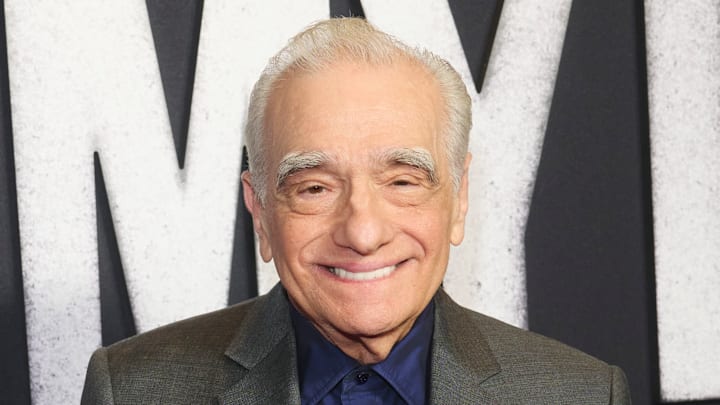
Martin Scorsese (10 Nominations)

- Best Director Nominations: 1981 (Raging Bull), 1989 (The Last Temptation of Christ), 1991 (Goodfellas), 2003 (Gangs of New York), 2005 (The Aviator), 2007 (The Departed), 2012 (Hugo), 2014 (The Wolf of Wall Street), 2020 (The Irishman), 2024 (Killers of the Flower Moon)
- Best Director Wins: 2007 (The Departed)
No other director working today has a filmography as impressive as Martin Scorsese.
Scorsese's films are obsessed with people who want meaning but keep choosing chaos or crime instead. This pattern fits most of his great movies: Taxi Driver, Raging Bull, Goodfellas, The Aviator, The Departed, The Wolf of Wall Street, and The Irishman, to name a few. Different genres, sure, but spiritually similar. Scorsese doesn’t moralize these characters.
On a technical level, he's played a big part in evolving the style and feel of modern cinema with the roaming camera, aggressive editing, jump cuts, and needle-drop soundtracks, all of which are more than just stylish touches and lend so much personality to his works.
William Wyler (12 Nominations)

- Best Director Nominations: 1937 (Dodsworth), 1940 (Wuthering Heights), 1941 (The Letter), 1942 (The Little Foxes) 1943 (Mrs. Miniver), 1947 (The Best Years of Our Lives), 1950 (The Heiress), 1952 (Detective Story), 1954 (Roman Holiday), 1957 (Friendly Persuasion), 1960 (Ben-Hur), 1966 (The Collector)
- Best Director Wins: 1943 (Mrs. Miniver), 1947 (The Best Years of Our Lives), 1960 (Ben-Hur)
William Wyler holds a record that may never be broken: 12 Best Director nominations across a career that spanned from the 1920s to the 1960s. What William Wyler did better than almost anyone was performance-centered filmmaking. He was obsessive about rehearsal, to the point of becoming brutal. The actors who worked with him talked about endless takes, but the results were right there on screen.
Stylistically, Wyler loved deep focus and long takes, which meant the acting couldn’t hide behind multiple cuts as much. Everyone had to exist in the frame. And then there’s Ben-Hur, which showed that he was also capable of orchestrating one of the largest spectacles ever filmed (at that time) without losing narrative quality.