%20%20--%3E%0A%3Csvg%20version%3D%221.1%22%20id%3D%22Layer_1%22%20xmlns%3D%22http%3A%2F%2Fwww.w3.org%2F2000%2Fsvg%22%20xmlns%3Axlink%3D%22http%3A%2F%2Fwww.w3.org%2F1999%2Fxlink%22%20x%3D%220px%22%20y%3D%220px%22%0A%09%20viewBox%3D%220%200%20684.6%2068.1%22%20style%3D%22enable-background%3Anew%200%200%20684.6%2068.1%3B%22%20xml%3Aspace%3D%22preserve%22%3E%0A%3Cg%3E%0A%09%3Cpath%20d%3D%22M444.1%2C29.3h-17.4v14.5h17.4V29.3z%20M36.4%2C68.1l29.3-50.8V0H50.4L32.9%2C36.8L15.5%2C0H0v68.1h16.7V45.8l12.4%2C22.3H36.4z%0A%09%09%20M49.1%2C68.1h16.6V23.4L49.1%2C52.1V68.1z%20M76.6%2C68.1h45V53.8H93.3V41.6h21V27.1h-21V14.8h28.3V0.1h-45V68.1z%20M175.6%2C68.1h17.3v-68%0A%09%09h-16.5v40.3L150%2C0.1h-17.6v68h16.7V27.7L175.6%2C68.1z%20M235.8%2C14.8h15.4V0.1h-47.4v14.7H219v53.2h16.8V14.8z%20M290.3%2C45.9h-17.1%0A%09%09l7.5-15.6h2L290.3%2C45.9z%20M298.7%2C68.1h18l-32.2-68h-5.7l-32%2C68h18l3.3-7.1h27.1L298.7%2C68.1z%20M325.2%2C68.1h46.2V53.8h-29.6V0.1h-16.7%0A%09%09V68.1z%20M423.7%2C14.8h27.2V0.1H407v68h16.7V14.8z%20M462%2C68.1h46.2V53.8h-29.6V0.1H462V68.1z%20M564.8%2C34.1c0%2C10.7-7.2%2C19.2-18.5%2C19.2%0A%09%09c-11.4%2C0-18.5-8.5-18.5-19.2s7.1-19.2%2C18.5-19.2C557.6%2C14.9%2C564.8%2C23.4%2C564.8%2C34.1%20M580.6%2C34.1c0-19-14.2-34-34.3-34%0A%09%09c-20.2%2C0-34.3%2C15-34.3%2C34c0%2C19%2C14.1%2C34%2C34.3%2C34C566.4%2C68.1%2C580.6%2C53.1%2C580.6%2C34.1%20M604.8%2C20.5c0-4.1%2C3.3-6.2%2C6.7-6.2%0A%09%09c4.4%2C0%2C6.6%2C3%2C6.6%2C6.6h14.7C631.8%2C9.1%2C625.1%2C0.1%2C611%2C0.1c-12%2C0-21.7%2C9.3-21.7%2C20.6c0%2C10.9%2C5.9%2C15.9%2C16.7%2C19.8%0A%09%09c5.2%2C1.8%2C11.5%2C3.2%2C11.5%2C8c0%2C3.3-2.4%2C5.5-6.4%2C5.5c-3.6%2C0-6.6-3-6.6-6.7h-15.2c0%2C11.5%2C7.9%2C20.8%2C21.8%2C20.8c12%2C0%2C21.6-9.3%2C21.6-20.6%0A%09%09c0-10-5.3-16.4-16.7-19.8C610.6%2C26.1%2C604.8%2C25.3%2C604.8%2C20.5%20M670%2C20.9h14.7C683.8%2C9.1%2C677.1%2C0.1%2C663%2C0.1c-12%2C0-21.7%2C9.3-21.7%2C20.6%0A%09%09c0%2C10.9%2C5.9%2C15.9%2C16.7%2C19.8c5.2%2C1.8%2C11.5%2C3.2%2C11.5%2C8c0%2C3.3-2.4%2C5.5-6.4%2C5.5c-3.6%2C0-6.6-3-6.6-6.7h-15.2c0%2C11.5%2C7.9%2C20.8%2C21.8%2C20.8%0A%09%09c12%2C0%2C21.6-9.3%2C21.6-20.6c0-10-5.3-16.4-16.7-19.8c-5.4-1.6-11.3-2.4-11.3-7.2c0-4.1%2C3.3-6.2%2C6.7-6.2C667.7%2C14.4%2C670%2C17.3%2C670%2C20.9%0A%09%09%22%2F%3E%0A%3C%2Fg%3E%0A%3C%2Fsvg%3E%0A)

The 2010s were easily one of the strongest decades ever for action movies. Earlier eras gave us plenty of classics, sure, but action films still often carried a reputation for being fun but forgettable entertainment, and not always the best representation of this art form. However, all that changed in the 2010s.
Some of the decade's best weren't just great action movies. They were also among the best movies released in any genre that year.
At the same time, audiences became more appreciative of better stunt work and clearly choreographed fight scenes after years of shaky cam and overly edited action that often accompanied most action movies.
Perhaps most importantly, many of these movies remembered that action works best when the audience actually cares about the characters involved. These were the ones that stood above the rest each year.
- The Town (2010)
- The Raid (2011)
- Dredd (2012)
- Snowpiercer (2013)
- Edge of Tomorrow (2014)
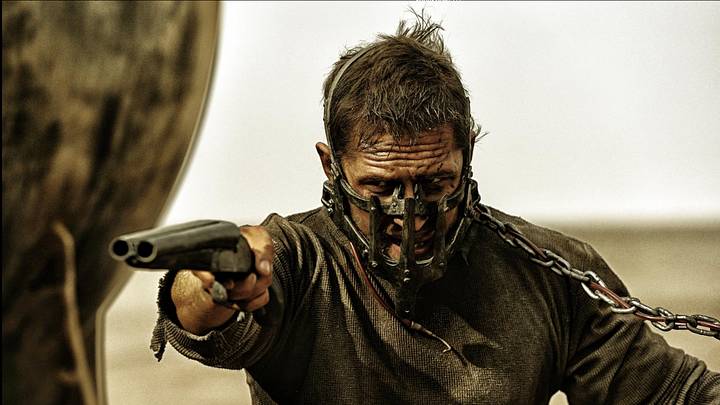
- Mad Max: Fury Road (2015)
- Train to Busan (2016)
- War for the Planet of the Apes (2017)
- Mission: Impossible – Fallout (2018)
- 1917 (2019)
The Town (2010)
Ben Affleck’s sophomore directorial effort was even better than his first. The story is set in Boston, in a neighborhood that has long been associated with bank robbery crews. It follows a career criminal (played by Affleck) who starts questioning his life after a robbery creates some unexpected complications.
The movie’s heist sequences are fantastic, and they never feel exaggerated. The opening bank robbery also immediately and perfectly sets the tone for the movie's grounded action style. The film also heavily focuses on the psychological toll of a criminal lifestyle. and the human choices that come with it.
Much like Michael Mann’s Heat, this film strikes a great balance between high-octane crime action and a very compelling narrative.
The Raid (2011)
Some action movies take their time to build up slowly before the action starts, but The Raid pretty much kicks down the door in the first fifteen minutes and keeps going after that.
In the movie, a SWAT team enters a heavily fortified apartment building controlled by a crime lord. The operation goes wrong almost immediately and traps the officers inside. From that point, the rest of the movie becomes a fight for survival, floor by floor.
Its use of Pencak Silat, the Indonesian martial art that powers nearly every fight scene, was a big reason it became a hit internationally as well. The camera stays close enough to feel the impact of every strike, but never becomes confusing with too many cuts. Its sequel, The Raid 2 (2014), is also just as good.
Dredd (2012)
Dredd might not have been a massive hit when it was released, but it’s become a bit of a cult classic in the years since.
The film takes place in Mega-City One, which is a massive urban nightmare where crime is so widespread that so-called Judges act as police, jury, and executioners.
Here, Judge Dredd (Karl Urban) and his rookie, Judge Anderson, become trapped inside a massive tower block which is controlled by a drug lord, and from there, the movie essentially turns into a siege thriller. The basic plot might sound similar to The Raid on paper, although the two are really nothing alike.
Most big actors would probably want moments where their faces are visible. But Urban keeps his helmet on for the entire movie and delivers one of the most memorable action performances of the time. He perfectly captures Dredd's relentless personality with his voice and body language, not to mention that famous scowl.
Snowpiercer (2013)
In Snowpiercer, humanity survives a climate catastrophe but then lives aboard a train that endlessly circles a frozen Earth. The further down you move through the train, the wealthier and more privileged the passengers become. Chris Evan plays the main character, who leads a revolution all the way to the front.
Each train car feels like entering a completely different world. Every time the characters move forward, the audience discovers another piece of this strange but fascinating society built on a train.
The action scenes are excellent, but the movie is just as interested in class systems and power structures as it is in fights. It constantly asks uncomfortable questions about inequality and whether revolutions actually change anything.
Chris Evans gives one of the best performances of his career, too. This was during the height of his MCU and Captain America years, and his work here feels very different.
Edge of Tomorrow (2014)
You can compare Edge of Tomorrow’s premise to Groundhog Day all you want, but it’s still the best movie to use this plot device.
Tom Cruise plays a different character than his usual action hero-type roles, starting out arrogant, frightened, and completely unprepared for combat. Watching him slowly become competent through endless repetition becomes satisfying.
The time-loop structure also elevates the movie’s pacing. Rather than showing every repeated event in full, there are some clever editing and montages used to jump ahead whenever needed.
There's also something undeniably fun about the way the film treats the time loop like a video game. As in—you die, learn something new, respawn, and try again.
Mad Max: Fury Road (2015)
It's hard to think of another soft reboot or loose sequel released so many years later that completely surpassed expectations the way Mad Max: Fury Road did. In hindsight, it made the original Mad Max movies feel like a test run for what eventually became the fully realized version of what the series could be like.
Here, George Miller took ideas that had existed throughout the original trilogy and pushed them as far as they could possibly go. The movie is basically a two-hour chase sequence, one that becomes one of the most exhilarating action experiences ever made.
A huge reason for that is how much the movie trusts the audience. It rarely stops to explain the world or the history, politics, religions, or social structures of the Wasteland. All of this is communicated through costumes, scars, vehicles, and the behavior of its inhabitants.
Train to Busan (2016)
Survival is the central focus of a lot of zombie movies, but Train to Busan is a bit more about sacrifice. The film follows a workaholic father traveling with his young daughter when a zombie outbreak suddenly takes over South Korea.
The setting does a lot of the heavy lifting and is what sets this film apart from a lot of other zombie flicks. Trapping survivors inside a speeding train immediately creates a lot more tension, since there's literally nowhere to run.
Another thing that elevates this movie above others in the zombie genre is how much time it spends developing relationships between the characters. Seok-woo's bond with his daughter remains at the center of everything. The film also introduces several supporting characters who quickly become people worth caring about.
War for the Planet of the Apes (2017)
Despite its title, War for the Planet of the Apes isn't really about war at all. It's closer to a character study of Caesar as he struggles with leadership and responsibility, amongst other things. The movie takes a restrained approach to this, focusing more on emotional conflict rather than a lot of action. That choice easily pays off, because it allows the characters to carry the story.
The motion-capture work remains astonishing, and is maybe even a slight improvement over this film's predecessors. It's remarkably easy to forget you're watching a digital character that’s not a human being.
Mission: Impossible – Fallout (2018)
Mission: Impossible – Fallout is a fan-favorite movie of the franchise, and it more than earns that praise. The movie is like a greatest-hits collection of everything the franchise does well, especially in terms of its unique action sequences, each of which features a good amount of stakes and narrative buildup.
The bathroom fight, the HALO jump, the motorcycle chase through Paris, and the helicopter sequence in the finale—any one of those would be a standout moment in another movie, but Fallout packs them all into the same film.
Meanwhile, Henry Cavill gives one of his best performances as the antagonist. There's a brutality to the character that contrasts nicely with Ethan Hunt's more controlled style.
It also remains one of the best examples of Cavill getting to play against audience expectations, in a type of role that is far removed from what he was best known for at that time (and since).
1917 (2019)
The thing you’ll likely remember the most about 1917 is the single-take illusion. It's one of the more impressive technical achievements of the decade. But the movie has a lot more to offer than just that.
Roger Deakins' late-career cinematography is as impressive as ever. Every movement feels carefully planned without drawing way too much attention to itself. The camera flows naturally through trenches, battlefields, ruined villages, and rivers, and constantly pulls viewers deeper into the experience rather than out of it. The movie also never lets the technical accomplishments overwhelm the compelling wartime story underneath.