%20%20--%3E%0A%3Csvg%20version%3D%221.1%22%20id%3D%22Layer_1%22%20xmlns%3D%22http%3A%2F%2Fwww.w3.org%2F2000%2Fsvg%22%20xmlns%3Axlink%3D%22http%3A%2F%2Fwww.w3.org%2F1999%2Fxlink%22%20x%3D%220px%22%20y%3D%220px%22%0A%09%20viewBox%3D%220%200%20684.6%2068.1%22%20style%3D%22enable-background%3Anew%200%200%20684.6%2068.1%3B%22%20xml%3Aspace%3D%22preserve%22%3E%0A%3Cg%3E%0A%09%3Cpath%20d%3D%22M444.1%2C29.3h-17.4v14.5h17.4V29.3z%20M36.4%2C68.1l29.3-50.8V0H50.4L32.9%2C36.8L15.5%2C0H0v68.1h16.7V45.8l12.4%2C22.3H36.4z%0A%09%09%20M49.1%2C68.1h16.6V23.4L49.1%2C52.1V68.1z%20M76.6%2C68.1h45V53.8H93.3V41.6h21V27.1h-21V14.8h28.3V0.1h-45V68.1z%20M175.6%2C68.1h17.3v-68%0A%09%09h-16.5v40.3L150%2C0.1h-17.6v68h16.7V27.7L175.6%2C68.1z%20M235.8%2C14.8h15.4V0.1h-47.4v14.7H219v53.2h16.8V14.8z%20M290.3%2C45.9h-17.1%0A%09%09l7.5-15.6h2L290.3%2C45.9z%20M298.7%2C68.1h18l-32.2-68h-5.7l-32%2C68h18l3.3-7.1h27.1L298.7%2C68.1z%20M325.2%2C68.1h46.2V53.8h-29.6V0.1h-16.7%0A%09%09V68.1z%20M423.7%2C14.8h27.2V0.1H407v68h16.7V14.8z%20M462%2C68.1h46.2V53.8h-29.6V0.1H462V68.1z%20M564.8%2C34.1c0%2C10.7-7.2%2C19.2-18.5%2C19.2%0A%09%09c-11.4%2C0-18.5-8.5-18.5-19.2s7.1-19.2%2C18.5-19.2C557.6%2C14.9%2C564.8%2C23.4%2C564.8%2C34.1%20M580.6%2C34.1c0-19-14.2-34-34.3-34%0A%09%09c-20.2%2C0-34.3%2C15-34.3%2C34c0%2C19%2C14.1%2C34%2C34.3%2C34C566.4%2C68.1%2C580.6%2C53.1%2C580.6%2C34.1%20M604.8%2C20.5c0-4.1%2C3.3-6.2%2C6.7-6.2%0A%09%09c4.4%2C0%2C6.6%2C3%2C6.6%2C6.6h14.7C631.8%2C9.1%2C625.1%2C0.1%2C611%2C0.1c-12%2C0-21.7%2C9.3-21.7%2C20.6c0%2C10.9%2C5.9%2C15.9%2C16.7%2C19.8%0A%09%09c5.2%2C1.8%2C11.5%2C3.2%2C11.5%2C8c0%2C3.3-2.4%2C5.5-6.4%2C5.5c-3.6%2C0-6.6-3-6.6-6.7h-15.2c0%2C11.5%2C7.9%2C20.8%2C21.8%2C20.8c12%2C0%2C21.6-9.3%2C21.6-20.6%0A%09%09c0-10-5.3-16.4-16.7-19.8C610.6%2C26.1%2C604.8%2C25.3%2C604.8%2C20.5%20M670%2C20.9h14.7C683.8%2C9.1%2C677.1%2C0.1%2C663%2C0.1c-12%2C0-21.7%2C9.3-21.7%2C20.6%0A%09%09c0%2C10.9%2C5.9%2C15.9%2C16.7%2C19.8c5.2%2C1.8%2C11.5%2C3.2%2C11.5%2C8c0%2C3.3-2.4%2C5.5-6.4%2C5.5c-3.6%2C0-6.6-3-6.6-6.7h-15.2c0%2C11.5%2C7.9%2C20.8%2C21.8%2C20.8%0A%09%09c12%2C0%2C21.6-9.3%2C21.6-20.6c0-10-5.3-16.4-16.7-19.8c-5.4-1.6-11.3-2.4-11.3-7.2c0-4.1%2C3.3-6.2%2C6.7-6.2C667.7%2C14.4%2C670%2C17.3%2C670%2C20.9%0A%09%09%22%2F%3E%0A%3C%2Fg%3E%0A%3C%2Fsvg%3E%0A)

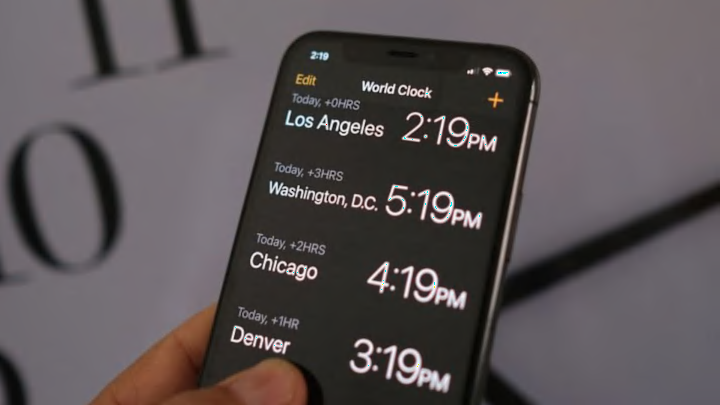
Most Americans adjust their clocks twice a year without really knowing why.
In the spring, we "spring forward" (Sunday, March 8, 2026), and in the fall, we "fall back" (Sunday, November 1, 2026). This tradition, known as Daylight Saving Time (DST), has been part of life in the United States for decades. While it promises brighter evenings in warmer months, it also brings groggy mornings and much debate.
To understand why we still change our clocks, and why our bodies protest every year, let's explore what DST is, where it came from, and how it affects our sleep.
THE HISTORY OF DAYLIGHT SAVING TIME

Daylight Saving Time is the practice of moving our clocks forward by one hour during part of the year to extend the evening daylight we yearned for all winter. Instead of the sun rising and setting according to standard time, we shift the clock so that sunset happens later in the day. DST is not about creating more daylight; it just changes the way we track it.
The current schedule was established by Congress in the Energy Policy Act of 2005. Today, DST begins at 2:00 a.m. on the second Sunday in March, when clocks move forward one hour. It ends at 2:00 a.m. on the first Sunday in November, when clocks move back one hour, and we return to standard time.
The history of standardized time in the U.S. dates back to the late 1800s, when railroads adopted time zones to aid consistency. Federal law formally established standard time zones and Daylight Saving Time with the Standard Time Act of 1918. DST was considered controversial and was repealed shortly after, only to be revived during World War II for energy conservation purposes. Later, the Uniform Time Act of 1966 created a more consistent national system while allowing states to opt out.
Not every state observes DST. Hawaii and most of Arizona remain on standard time year-round and do not change their clocks. This means that while much of the country adjusts twice annually, some Americans skip the ritual entirely.
HOW DAYLIGHT SAVING TIME AFFECTS YOUR SLEEP

If losing "just one hour" feels more significant than it sounds, you're not dramatic. According to sleep experts, shifting the clock disrupts the body's circadian rhythm (the internal clock that helps regulate sleep and wake cycles). When we move the clock forward in the spring, we effectively lose an hour at night, and our bodies don't automatically adjust.
Research has shown that the days following the springtime change can bring increased fatigue and grogginess. In fact, the Monday after the shift has been dubbed "Sleepy Monday," with studies noting short-term increases in car accidents and health events. Even an hour of sleep loss can temporarily affect alertness.
The good news is, a little preparation can go a long way! Experts suggest gradually adjusting your sleep schedule a few days before the spring change, shifting bedtime and wake time earlier by 15 to 20 minutes each day. Getting morning sunlight after the switch can also help reset your internal clock. Maintaining a consistent bedtime routine and prioritizing rest that weekend can make the transition smoother.
TACKLE THE TIME CHANGE

Daylight Saving Time is a blend of history, legislation, and sunlight strategy. While its purpose is to better align our waking hours with daylight, our biology doesn't always follow along willingly. By learning how and why we observe DST, and by giving our sleep routine some extra attention, we can tackle the time shift together without excessive yawning.