%20%20--%3E%0A%3Csvg%20version%3D%221.1%22%20id%3D%22Layer_1%22%20xmlns%3D%22http%3A%2F%2Fwww.w3.org%2F2000%2Fsvg%22%20xmlns%3Axlink%3D%22http%3A%2F%2Fwww.w3.org%2F1999%2Fxlink%22%20x%3D%220px%22%20y%3D%220px%22%0A%09%20viewBox%3D%220%200%20684.6%2068.1%22%20style%3D%22enable-background%3Anew%200%200%20684.6%2068.1%3B%22%20xml%3Aspace%3D%22preserve%22%3E%0A%3Cg%3E%0A%09%3Cpath%20d%3D%22M444.1%2C29.3h-17.4v14.5h17.4V29.3z%20M36.4%2C68.1l29.3-50.8V0H50.4L32.9%2C36.8L15.5%2C0H0v68.1h16.7V45.8l12.4%2C22.3H36.4z%0A%09%09%20M49.1%2C68.1h16.6V23.4L49.1%2C52.1V68.1z%20M76.6%2C68.1h45V53.8H93.3V41.6h21V27.1h-21V14.8h28.3V0.1h-45V68.1z%20M175.6%2C68.1h17.3v-68%0A%09%09h-16.5v40.3L150%2C0.1h-17.6v68h16.7V27.7L175.6%2C68.1z%20M235.8%2C14.8h15.4V0.1h-47.4v14.7H219v53.2h16.8V14.8z%20M290.3%2C45.9h-17.1%0A%09%09l7.5-15.6h2L290.3%2C45.9z%20M298.7%2C68.1h18l-32.2-68h-5.7l-32%2C68h18l3.3-7.1h27.1L298.7%2C68.1z%20M325.2%2C68.1h46.2V53.8h-29.6V0.1h-16.7%0A%09%09V68.1z%20M423.7%2C14.8h27.2V0.1H407v68h16.7V14.8z%20M462%2C68.1h46.2V53.8h-29.6V0.1H462V68.1z%20M564.8%2C34.1c0%2C10.7-7.2%2C19.2-18.5%2C19.2%0A%09%09c-11.4%2C0-18.5-8.5-18.5-19.2s7.1-19.2%2C18.5-19.2C557.6%2C14.9%2C564.8%2C23.4%2C564.8%2C34.1%20M580.6%2C34.1c0-19-14.2-34-34.3-34%0A%09%09c-20.2%2C0-34.3%2C15-34.3%2C34c0%2C19%2C14.1%2C34%2C34.3%2C34C566.4%2C68.1%2C580.6%2C53.1%2C580.6%2C34.1%20M604.8%2C20.5c0-4.1%2C3.3-6.2%2C6.7-6.2%0A%09%09c4.4%2C0%2C6.6%2C3%2C6.6%2C6.6h14.7C631.8%2C9.1%2C625.1%2C0.1%2C611%2C0.1c-12%2C0-21.7%2C9.3-21.7%2C20.6c0%2C10.9%2C5.9%2C15.9%2C16.7%2C19.8%0A%09%09c5.2%2C1.8%2C11.5%2C3.2%2C11.5%2C8c0%2C3.3-2.4%2C5.5-6.4%2C5.5c-3.6%2C0-6.6-3-6.6-6.7h-15.2c0%2C11.5%2C7.9%2C20.8%2C21.8%2C20.8c12%2C0%2C21.6-9.3%2C21.6-20.6%0A%09%09c0-10-5.3-16.4-16.7-19.8C610.6%2C26.1%2C604.8%2C25.3%2C604.8%2C20.5%20M670%2C20.9h14.7C683.8%2C9.1%2C677.1%2C0.1%2C663%2C0.1c-12%2C0-21.7%2C9.3-21.7%2C20.6%0A%09%09c0%2C10.9%2C5.9%2C15.9%2C16.7%2C19.8c5.2%2C1.8%2C11.5%2C3.2%2C11.5%2C8c0%2C3.3-2.4%2C5.5-6.4%2C5.5c-3.6%2C0-6.6-3-6.6-6.7h-15.2c0%2C11.5%2C7.9%2C20.8%2C21.8%2C20.8%0A%09%09c12%2C0%2C21.6-9.3%2C21.6-20.6c0-10-5.3-16.4-16.7-19.8c-5.4-1.6-11.3-2.4-11.3-7.2c0-4.1%2C3.3-6.2%2C6.7-6.2C667.7%2C14.4%2C670%2C17.3%2C670%2C20.9%0A%09%09%22%2F%3E%0A%3C%2Fg%3E%0A%3C%2Fsvg%3E%0A)

The year 1816 was anything but ordinary; some even recalled it as haunting.
The eruption of Indonesia's Mount Tambora shot particles into the atmosphere, creating a giant cloud that blocked out the sun. The following year, summer just never arrived. The sky was eerily gloomy, the weather chillier than usual: perfect conditions to dream up (quite literally) a spooky novel. And a young Mary Wollstonecraft Godwin (later Mary Shelley) took full advantage.
Thus, Frankenstein was born. But we're getting ahead of ourselves.
Let's learn about Mary Shelley, the Year Without a Summer, and the nightmare that seized her pen and facilitated a classic.
YOUNG MARY

Mary was born in London, England, in 1797, to two renowned philosophers. Her mother died when she was just 11 days old, and she never grew to love her stepmother. Mary did not receive a formal education, but she frequently visited her father's extensive library. Because of his occupation and social standing, acclaimed poets and politicians regularly appeared at the household, exposing Mary to creativity and imagination that developed into a lifelong love of writing.
At 11, she published her first poem, "Mounseer Nongtongpaw." However, it brought little financial relief to the family, who were burdened by significant debts.
Somewhere between 1812 and 1814, Mary met poet Percy Bysshe Shelley. He was married and five years her senior, but they fell in love, ran off to Europe, and had an affair that resulted in their first child, Clara, who died two days after she was born, all while Mary was just 16. Mary later dreamed she could bring her daughter back to life by warmth of fire.
In January 1816, she gave birth to her and Percy's second child, William, while Percy was still married to his wife (who remained in England).
A GROUP OF WRITERS

Five months later, the couple traveled to Switzerland for a "summer holiday" and were joined by a group of writers: Matthew Lewis, John Polidori, Lord Byron, and Claire Clairmont (Mary's stepsister, who was pregnant with Byron's love child at the time and is often credited with bringing the group together).
As mentioned, the summer was unusually gloomy and haunting, conditions Mary enjoyed, so Byron suggested the group read ghost stories to pass the time. This eventually inspired them to write their own horror-themed tales as a contest. According to Encyclopedia Britannica, Byron and Shelley's friendship was a true meeting of the minds. Day in and day out, they exchanged "pressing philosophical ideas and scientific breakthroughs" (perhaps contributing to the creation of Frankenstein).
A NIGHTMARE

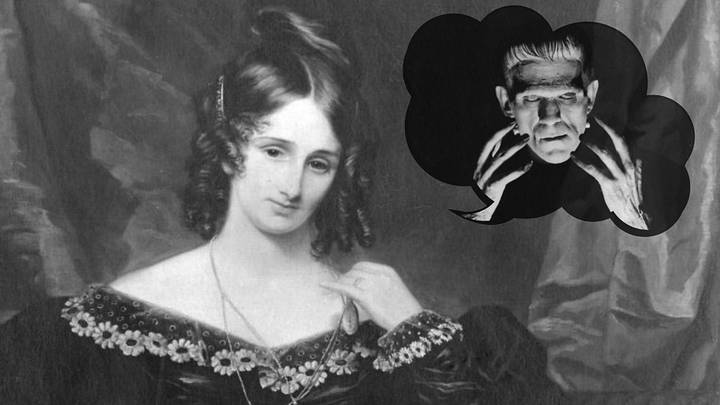
Mary watched in awe as unrelenting summer storms rolled across Lake Geneva and their residence (Villa Diodati) in Cologny. As she contemplated ideas for her horror story, she drifted off to sleep and experienced a "waking nightmare": a student assembling body parts that came to life, drawing on her earlier dream of reviving her deceased child. This vision, along with the setting of Lake Geneva and Mont Blanc, inspired Frankenstein, which remained unfinished for a couple of years.
In 1817, Mary (now Mary Shelley after marrying Percy in December 1816, following the mysterious drowning of his wife) published her first travel narrative of poems and journals, "History of a Six Weeks' Tour," inspired by her excursions from 1814 to 1816 and released anonymously, with her husband's name on the preface.
TWO MORE EDITIONS

That same year, she finished writing Frankenstein or, The Modern Prometheus, which was published in 1818. Once again, the novel was released without 20-year-old Mary's name on the byline, leading many to assume Percy was the author. Initially, the novel was not well received, but as history would show, it became one of the most revered monster stories of all time, inspiring countless films and spooky tales for centuries to come.
Four years later, Percy drowned during a sailing expedition in Italy, leaving Mary widowed at 25 with no living children (following the death of their 3-year-old son William and a miscarriage of their fourth child that nearly killed her).
In 1823, Mary published a second edition of Frankenstein, this time with her name on it and her father, William, as editor. Over the next few years, she published some of her late husband's poems (much to her father-in-law's disapproval) and wrote a few novels herself.
In 1831, she released a third and final edition of Frankenstein (the version most used in classrooms today). She passed away in London at the age of 53 after a "long illness."