%20%20--%3E%0A%3Csvg%20version%3D%221.1%22%20id%3D%22Layer_1%22%20xmlns%3D%22http%3A%2F%2Fwww.w3.org%2F2000%2Fsvg%22%20xmlns%3Axlink%3D%22http%3A%2F%2Fwww.w3.org%2F1999%2Fxlink%22%20x%3D%220px%22%20y%3D%220px%22%0A%09%20viewBox%3D%220%200%20684.6%2068.1%22%20style%3D%22enable-background%3Anew%200%200%20684.6%2068.1%3B%22%20xml%3Aspace%3D%22preserve%22%3E%0A%3Cg%3E%0A%09%3Cpath%20d%3D%22M444.1%2C29.3h-17.4v14.5h17.4V29.3z%20M36.4%2C68.1l29.3-50.8V0H50.4L32.9%2C36.8L15.5%2C0H0v68.1h16.7V45.8l12.4%2C22.3H36.4z%0A%09%09%20M49.1%2C68.1h16.6V23.4L49.1%2C52.1V68.1z%20M76.6%2C68.1h45V53.8H93.3V41.6h21V27.1h-21V14.8h28.3V0.1h-45V68.1z%20M175.6%2C68.1h17.3v-68%0A%09%09h-16.5v40.3L150%2C0.1h-17.6v68h16.7V27.7L175.6%2C68.1z%20M235.8%2C14.8h15.4V0.1h-47.4v14.7H219v53.2h16.8V14.8z%20M290.3%2C45.9h-17.1%0A%09%09l7.5-15.6h2L290.3%2C45.9z%20M298.7%2C68.1h18l-32.2-68h-5.7l-32%2C68h18l3.3-7.1h27.1L298.7%2C68.1z%20M325.2%2C68.1h46.2V53.8h-29.6V0.1h-16.7%0A%09%09V68.1z%20M423.7%2C14.8h27.2V0.1H407v68h16.7V14.8z%20M462%2C68.1h46.2V53.8h-29.6V0.1H462V68.1z%20M564.8%2C34.1c0%2C10.7-7.2%2C19.2-18.5%2C19.2%0A%09%09c-11.4%2C0-18.5-8.5-18.5-19.2s7.1-19.2%2C18.5-19.2C557.6%2C14.9%2C564.8%2C23.4%2C564.8%2C34.1%20M580.6%2C34.1c0-19-14.2-34-34.3-34%0A%09%09c-20.2%2C0-34.3%2C15-34.3%2C34c0%2C19%2C14.1%2C34%2C34.3%2C34C566.4%2C68.1%2C580.6%2C53.1%2C580.6%2C34.1%20M604.8%2C20.5c0-4.1%2C3.3-6.2%2C6.7-6.2%0A%09%09c4.4%2C0%2C6.6%2C3%2C6.6%2C6.6h14.7C631.8%2C9.1%2C625.1%2C0.1%2C611%2C0.1c-12%2C0-21.7%2C9.3-21.7%2C20.6c0%2C10.9%2C5.9%2C15.9%2C16.7%2C19.8%0A%09%09c5.2%2C1.8%2C11.5%2C3.2%2C11.5%2C8c0%2C3.3-2.4%2C5.5-6.4%2C5.5c-3.6%2C0-6.6-3-6.6-6.7h-15.2c0%2C11.5%2C7.9%2C20.8%2C21.8%2C20.8c12%2C0%2C21.6-9.3%2C21.6-20.6%0A%09%09c0-10-5.3-16.4-16.7-19.8C610.6%2C26.1%2C604.8%2C25.3%2C604.8%2C20.5%20M670%2C20.9h14.7C683.8%2C9.1%2C677.1%2C0.1%2C663%2C0.1c-12%2C0-21.7%2C9.3-21.7%2C20.6%0A%09%09c0%2C10.9%2C5.9%2C15.9%2C16.7%2C19.8c5.2%2C1.8%2C11.5%2C3.2%2C11.5%2C8c0%2C3.3-2.4%2C5.5-6.4%2C5.5c-3.6%2C0-6.6-3-6.6-6.7h-15.2c0%2C11.5%2C7.9%2C20.8%2C21.8%2C20.8%0A%09%09c12%2C0%2C21.6-9.3%2C21.6-20.6c0-10-5.3-16.4-16.7-19.8c-5.4-1.6-11.3-2.4-11.3-7.2c0-4.1%2C3.3-6.2%2C6.7-6.2C667.7%2C14.4%2C670%2C17.3%2C670%2C20.9%0A%09%09%22%2F%3E%0A%3C%2Fg%3E%0A%3C%2Fsvg%3E%0A)

Most of the highly acclaimed directors in Hollywood have at least one Oscar nomination, but there have been exceptions. Once you start digging, you realize some of the most influential filmmakers, some of whom have defined and redefined genres, somehow slipped past the Academy entirely.
And these aren’t even directors with only a few good movies to their names; some of these have had many acclaimed movies within their careers that have spanned decades. These are filmmakers whose movies have been studied in-depth and whose works have been copied, borrowed, or remixed by many others.
Here are eight great directors who never received an Oscar nomination, even though their fingerprint is all over modern and retro cinema.
- Sergio Leone
- John Carpenter
- Park Chan-wook
- David Cronenberg
- Brian De Palma
- Wong Kar-wai
- Béla Tarr
- Claire Denis
Sergio Leone

Sergio Leone had a very specific kind of patience. He didn’t rush scenes, and didn’t outright explain characters much. His westerns, especially The Good, the Bad and the Ugly, along with its two predecessors, completely rewired the genre and made his name synonymous with it. And who can forget his extreme close-up shots?
Still, he didn’t receive any Oscar nominations for his films. He did eventually receive an Honorary Oscar in 2003, but that was several decades after his most influential work, which was literally genre-defining.
John Carpenter

John Carpenter’s movies have always seemed more interested in atmosphere than explanation, and that’s refreshing. Halloween alone made a big impact in the horror genre, and there was also The Thing. A lot of people don’t know that he also wrote and composed much of the music for his films.
Despite his massive influence on the sci-fi and horror genres, Carpenter never received an Oscar nomination.
Park Chan-wook

Park Chan-wook’s stories are usually unsettling. His films might seem elegant on the surface, or at first, but are uncomfortable underneath, which is a tricky balance to pull off consistently.
Oldboy is the obvious starting point, but Lady Vengeance deserves a lot of praise too. He’s remained very consistent with his work, even when doing TV like with 2024’s The Sympathizer, and most recently, No Other Choice.
Despite international acclaim, Park has not received an Oscar nomination as a director yet. No Other Choice was shut out of this year’s Oscars completely, making it one of the most egregious snubs.
David Cronenberg

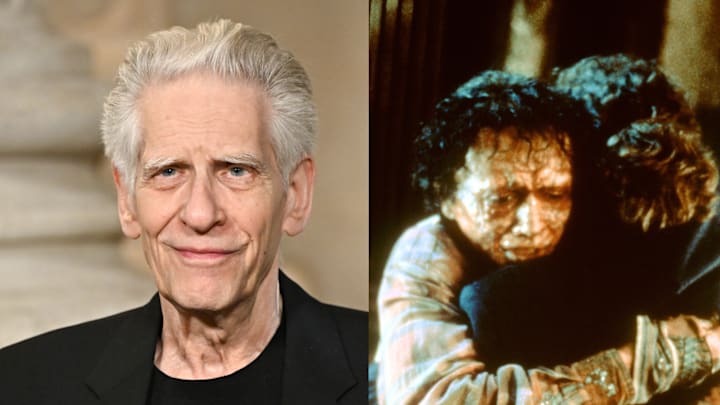
If there’s one director who truly understands the intersection of technology and human bodies, it’s David Cronenberg. Cronenberg is yet another director who has defined a subgenre, this time being body horror. His movies make people uncomfortable, which seems to be the point.
Even after five decades of directing, he continues to make deeply unsettling movies that are very good, most recently with The Shrouds.
The Academy has yet to nominate him for a movie, though perhaps that’s not too surprising, considering Cronenberg’s films sit far outside the Academy’s traditional comfort zone.
Brian De Palma

Brian De Palma is an expert in multiple genres. Carrie remains one of the most brutal horror films, and Blow Out is a paranoid masterpiece. Then there’s Scarface and The Untouchables, which are both great gangster movies.
While actors in his films have won an Oscar (Sean Connery for The Untouchables), the man behind the camera hasn’t. He hasn’t even won an honorary Oscar, which feels like a disservice to one of the architects of the New Hollywood era.
Wong Kar-wai

The plots in the movies by Wong Kar-wai are usually simple, but the greater human feelings are not. He’s less interested in where a story goes and more interested in how it lingers.
He’s also known for the improvisation in his movies, and letting the chemistry of his actors guide the movie rather than strict plot points. In the Mood for Love is his most famous work, and for good reason. The use of music, slow motion, and color in this movie is very captivating.
The Academy somehow never nominated him as a director, which is a huge mistake.
Béla Tarr

The late Béla Tarr didn’t make movies for everyone. You need time and patience for them, but the experiences are so rewarding. His storytelling was deliberately slow, almost stubbornly—a true antithesis of the modern blockbuster.
Sátántangó is legendary for its length of seven hours, but the runtime isn’t a gimmick. You can feel the weight of repetition and despair in a way that you wouldn’t with a shorter film. His long takes (often more than 10 minutes) and black-and-white imagery felt hypnotic in a way you don’t see often.
The Academy never nominated Tarr, but his work was definitely Oscar-worthy.
Claire Denis

French filmmaker Claire Denis is one of the most influential directors still working today, but it seems her movies might be regarded as too experimental for the Academy. They’re certainly missing out, though, because in her decades-long career, she’s created timeless stories that stay with you long after the screen cuts to black.
From 1999’s Beau Travail, which is widely regarded as one of the best movies of its decade, to 2008’s critical hit 35 Shots of Rum, Denis’s storytelling and filmmaking style are distinct, captivating, and incredibly powerful.
In more recent years, Denis has directed indie favorites such as High Life, Let the Sunshine In, and Both Sides of the Blade.