%20%20--%3E%0A%3Csvg%20version%3D%221.1%22%20id%3D%22Layer_1%22%20xmlns%3D%22http%3A%2F%2Fwww.w3.org%2F2000%2Fsvg%22%20xmlns%3Axlink%3D%22http%3A%2F%2Fwww.w3.org%2F1999%2Fxlink%22%20x%3D%220px%22%20y%3D%220px%22%0A%09%20viewBox%3D%220%200%20684.6%2068.1%22%20style%3D%22enable-background%3Anew%200%200%20684.6%2068.1%3B%22%20xml%3Aspace%3D%22preserve%22%3E%0A%3Cg%3E%0A%09%3Cpath%20d%3D%22M444.1%2C29.3h-17.4v14.5h17.4V29.3z%20M36.4%2C68.1l29.3-50.8V0H50.4L32.9%2C36.8L15.5%2C0H0v68.1h16.7V45.8l12.4%2C22.3H36.4z%0A%09%09%20M49.1%2C68.1h16.6V23.4L49.1%2C52.1V68.1z%20M76.6%2C68.1h45V53.8H93.3V41.6h21V27.1h-21V14.8h28.3V0.1h-45V68.1z%20M175.6%2C68.1h17.3v-68%0A%09%09h-16.5v40.3L150%2C0.1h-17.6v68h16.7V27.7L175.6%2C68.1z%20M235.8%2C14.8h15.4V0.1h-47.4v14.7H219v53.2h16.8V14.8z%20M290.3%2C45.9h-17.1%0A%09%09l7.5-15.6h2L290.3%2C45.9z%20M298.7%2C68.1h18l-32.2-68h-5.7l-32%2C68h18l3.3-7.1h27.1L298.7%2C68.1z%20M325.2%2C68.1h46.2V53.8h-29.6V0.1h-16.7%0A%09%09V68.1z%20M423.7%2C14.8h27.2V0.1H407v68h16.7V14.8z%20M462%2C68.1h46.2V53.8h-29.6V0.1H462V68.1z%20M564.8%2C34.1c0%2C10.7-7.2%2C19.2-18.5%2C19.2%0A%09%09c-11.4%2C0-18.5-8.5-18.5-19.2s7.1-19.2%2C18.5-19.2C557.6%2C14.9%2C564.8%2C23.4%2C564.8%2C34.1%20M580.6%2C34.1c0-19-14.2-34-34.3-34%0A%09%09c-20.2%2C0-34.3%2C15-34.3%2C34c0%2C19%2C14.1%2C34%2C34.3%2C34C566.4%2C68.1%2C580.6%2C53.1%2C580.6%2C34.1%20M604.8%2C20.5c0-4.1%2C3.3-6.2%2C6.7-6.2%0A%09%09c4.4%2C0%2C6.6%2C3%2C6.6%2C6.6h14.7C631.8%2C9.1%2C625.1%2C0.1%2C611%2C0.1c-12%2C0-21.7%2C9.3-21.7%2C20.6c0%2C10.9%2C5.9%2C15.9%2C16.7%2C19.8%0A%09%09c5.2%2C1.8%2C11.5%2C3.2%2C11.5%2C8c0%2C3.3-2.4%2C5.5-6.4%2C5.5c-3.6%2C0-6.6-3-6.6-6.7h-15.2c0%2C11.5%2C7.9%2C20.8%2C21.8%2C20.8c12%2C0%2C21.6-9.3%2C21.6-20.6%0A%09%09c0-10-5.3-16.4-16.7-19.8C610.6%2C26.1%2C604.8%2C25.3%2C604.8%2C20.5%20M670%2C20.9h14.7C683.8%2C9.1%2C677.1%2C0.1%2C663%2C0.1c-12%2C0-21.7%2C9.3-21.7%2C20.6%0A%09%09c0%2C10.9%2C5.9%2C15.9%2C16.7%2C19.8c5.2%2C1.8%2C11.5%2C3.2%2C11.5%2C8c0%2C3.3-2.4%2C5.5-6.4%2C5.5c-3.6%2C0-6.6-3-6.6-6.7h-15.2c0%2C11.5%2C7.9%2C20.8%2C21.8%2C20.8%0A%09%09c12%2C0%2C21.6-9.3%2C21.6-20.6c0-10-5.3-16.4-16.7-19.8c-5.4-1.6-11.3-2.4-11.3-7.2c0-4.1%2C3.3-6.2%2C6.7-6.2C667.7%2C14.4%2C670%2C17.3%2C670%2C20.9%0A%09%09%22%2F%3E%0A%3C%2Fg%3E%0A%3C%2Fsvg%3E%0A)

Home may be where the heart is, but in some cities, it isn’t where the savings are. From shoebox apartments in New York City to single-family homes in Toledo, rent prices vary widely depending on where you live, with some places now costing more than double the national average of $1,843.
A map of 100 U.S. cities breaks down average monthly rent nationwide, revealing a wide divide between high-cost coastal markets and more affordable interior regions. Compiled by Visual Capitalist using Zillow’s Observed Rent Index (ZORI), the data highlights where renters are paying the most—and the least—for housing.
The result is a rental landscape that looks less like a smooth curve and more like a steep climb, depending on where you are in the country.

The Most Expensive Cities for Renters
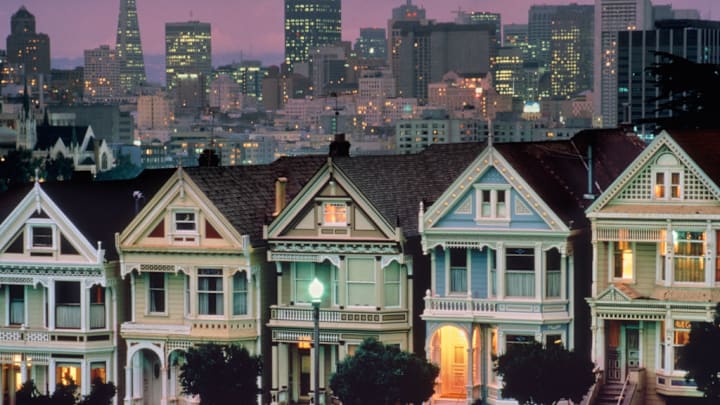
Unless you’re raking in the big bucks, the "California Dream" may be just that—a dream. At the top end of the rental market, a small group of U.S. cities stands out for especially high monthly costs, with San Francisco taking first place at $3,830 per month. In these markets, average rent climbs above $3,500 per month—nearly double the national average.
Next up is New York City at $3,706. And don’t forget, that’s just the average rent, which is probably enough to get you a closet—or, if you’re really lucky, a dishwasher. Alongside the tech hub and the "City That Never Sleeps," cities like Boston, Irvine, and San Jose also rank near the top, with several California metros making up a disproportionate share of the list. In fact, six of the 10 most expensive rental markets are in California alone, underscoring just how concentrated high rent has become in the Golden State.

Here are the 10 most expensive cities for renters in 2026:
Rank | City | Average Rent |
|---|---|---|
1 | San Francisco, CA | $3,830 |
2 | New York, NY | $3,706 |
3 | Boston, MA | $3,510 |
4 | Irvine, CA | $3,361 |
5 | San Jose, CA | $3,222 |
6 | Jersey City, NJ | $3,048 |
7 | Miami, FL | $2,964 |
8 | Chula Vista, CA | $2,904 |
9 | San Diego, CA | $2,893 |
10 | Santa Ana, CA | $2,804 |
The Least Expensive Cities for Renters
Now to Middle America, where many of the most affordable rental markets are located. In pockets of Ohio and Indiana, you'll find cornfields, "pop", and most importantly, dirt-cheap rent. At this end of the rental spectrum, average monthly rent in several cities hovers near or just above $1,200. While that still isn’t exactly a steal, it’s a fraction of what renters are paying in the country’s most expensive cities.
Toledo, Ohio, ranks as the most affordable city in the group at about $1,060 per month. It’s followed closely by Wichita, Kansas, at $1,125, and Fort Wayne, Indiana, at $1,160. Tulsa, Oklahoma, rounds out the list at $1,207. In these cities, renters are often paying roughly a third of what someone in San Francisco might spend each month.
Taken together, the data spotlights just how shaky the rental landscape has become across the country.

Here are the 10 most affordable cities for renters in 2026:
Rank | City | Average Rent |
|---|---|---|
1 | Toledo, OH | $1,060 |
2 | Wichita, KS | $1,125 |
3 | Fort Wayne, IN | $1,160 |
4 | Tulsa, OK | $1,207 |
5 | Memphis, TN | $1,234 |
6 | Oklahoma City, OK | $1,255 |
7 | Lincoln, NE | $1,293 |
8 | Baton Rouge, LA | $1,312 |
9 | Detroit, MI | $1,318 |
10 | Saint Louis, MO | $1,326 |
The Coastal Divide
If there’s one clear takeaway from the data, it’s that location can make or break your rent. Coastal cities continue to dominate the high end of the market—but it’s not just because of the beach. In addition to a cluster of California cities, Tri-State area locales like New York City and Jersey City also command premium prices, driven largely by access to major job centers. Miami has also climbed into the top tier, with an influx of new residents driving up rents in the Southeast.
That pattern flips once you move inland. Rather than a few standout cities driving prices up, much of the Midwest and South clusters toward the lower end of the spectrum. The rental market ends up sharply divided by geography rather than spread out evenly.
In other words, where you drop the pin sets the price.